
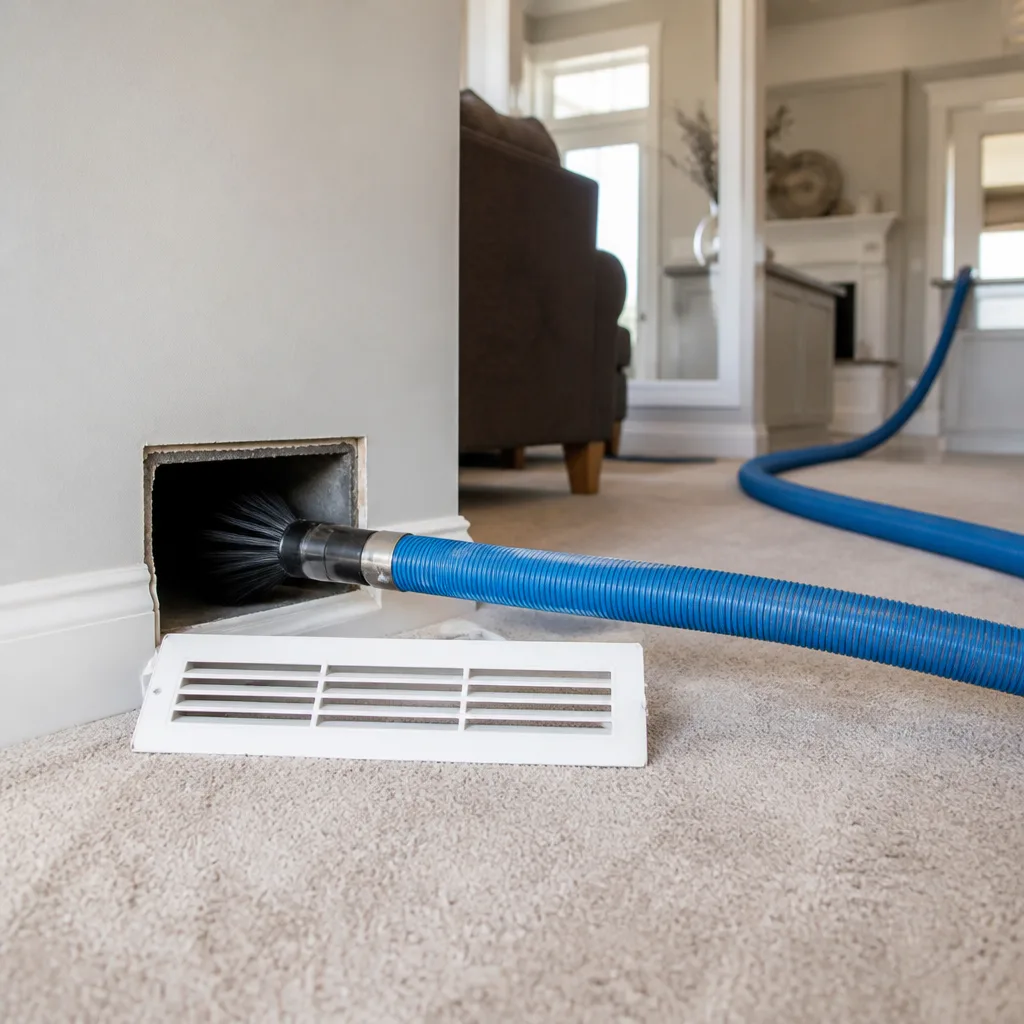
 Whole-home duct cleaning
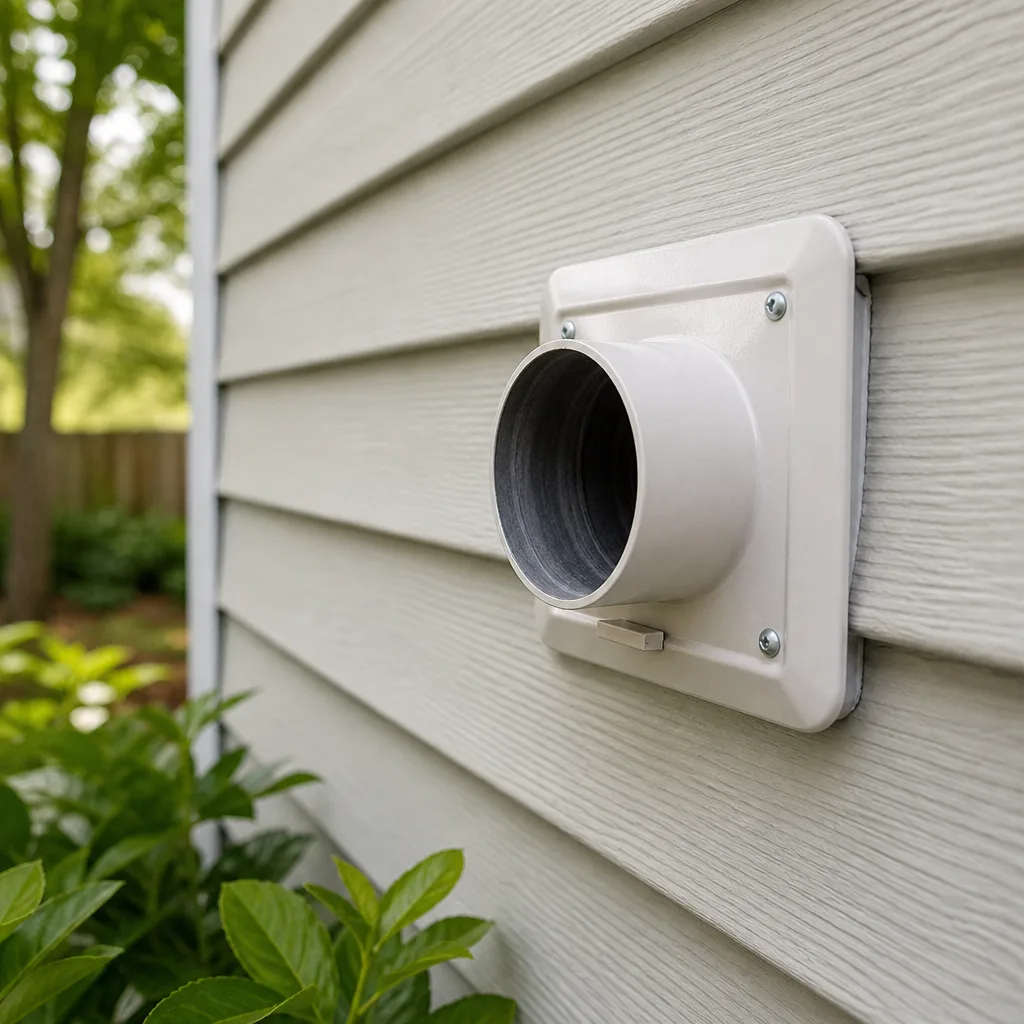 Dryer vent cleaning
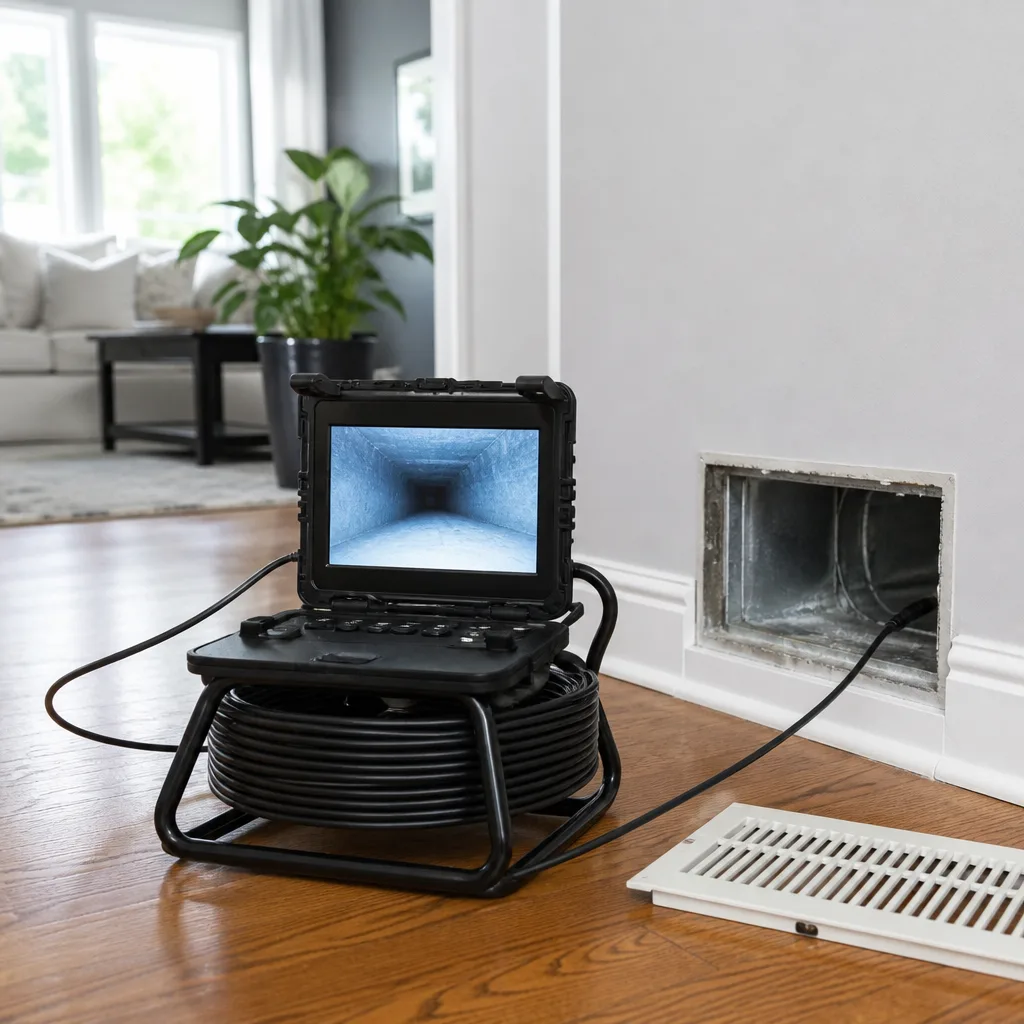 Camera inspection
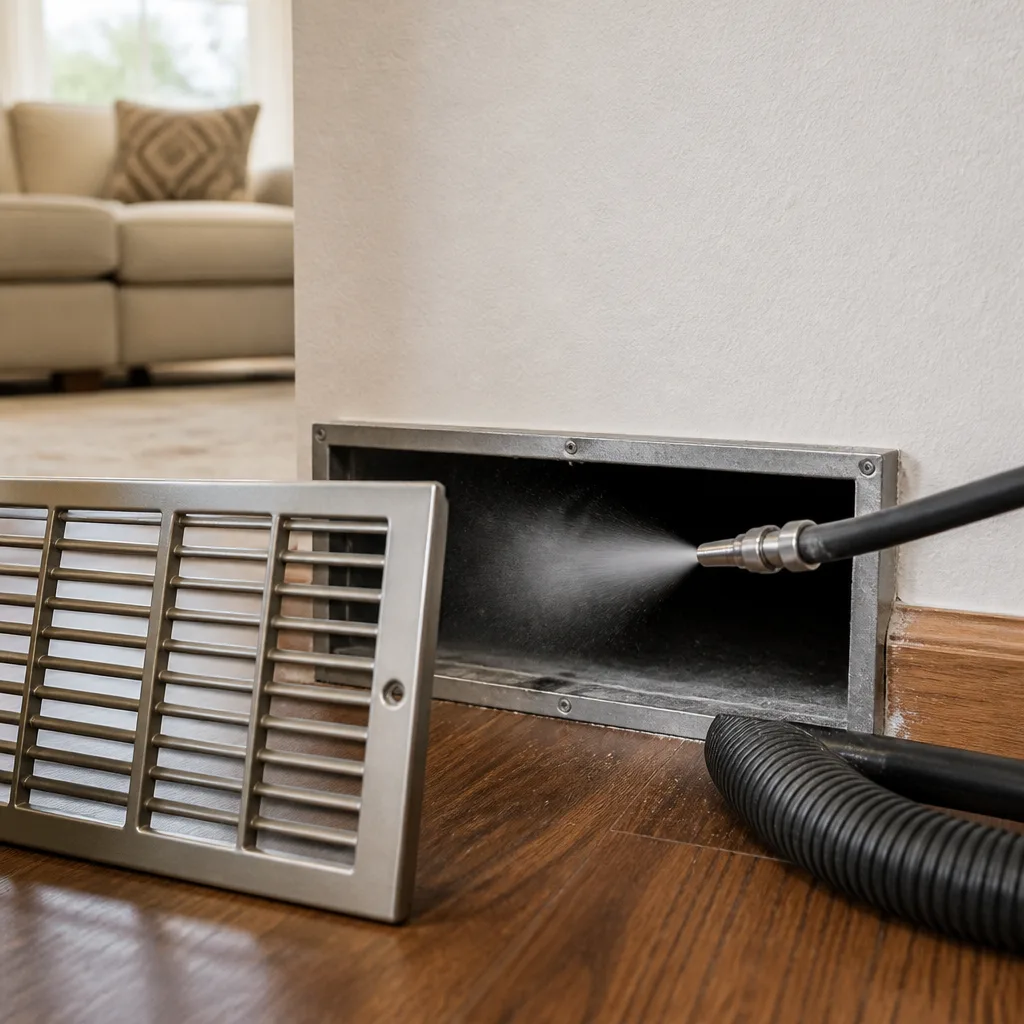 Sanitizing & deodorizing
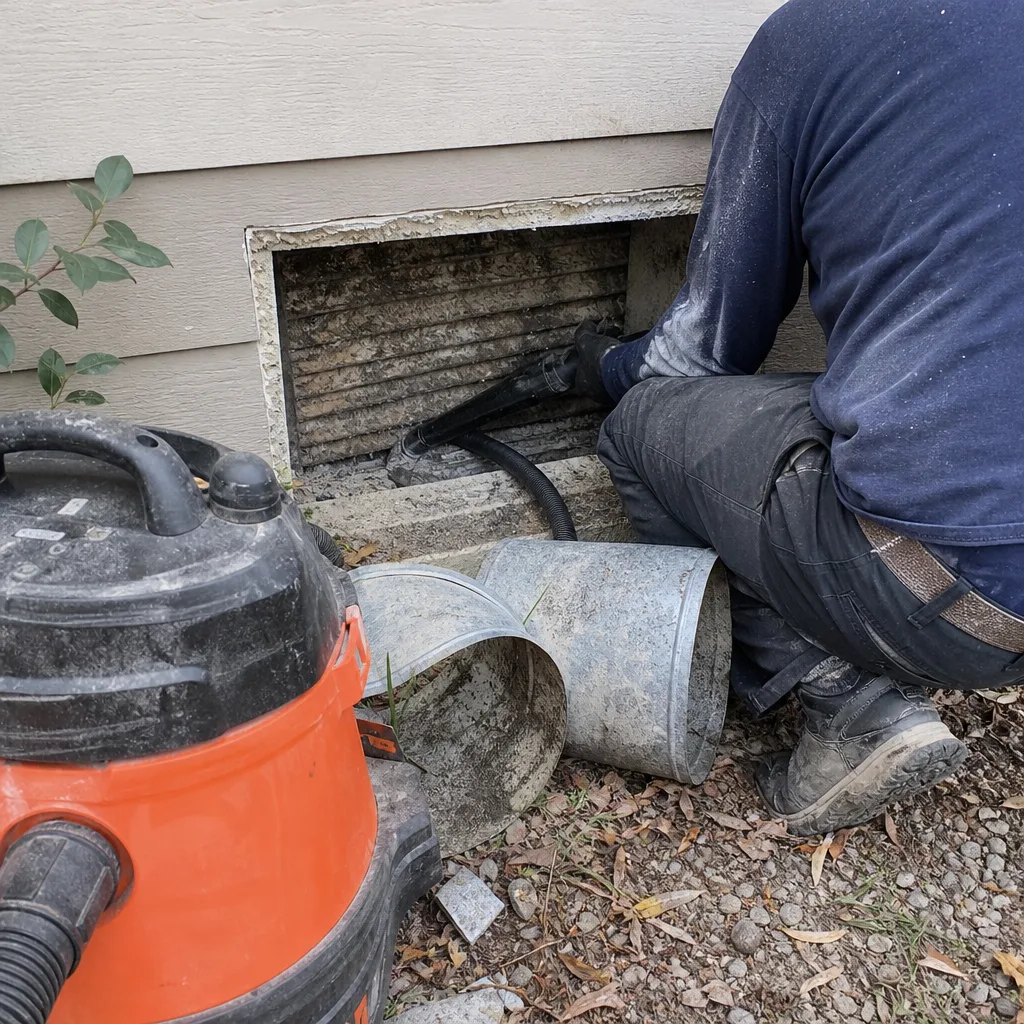
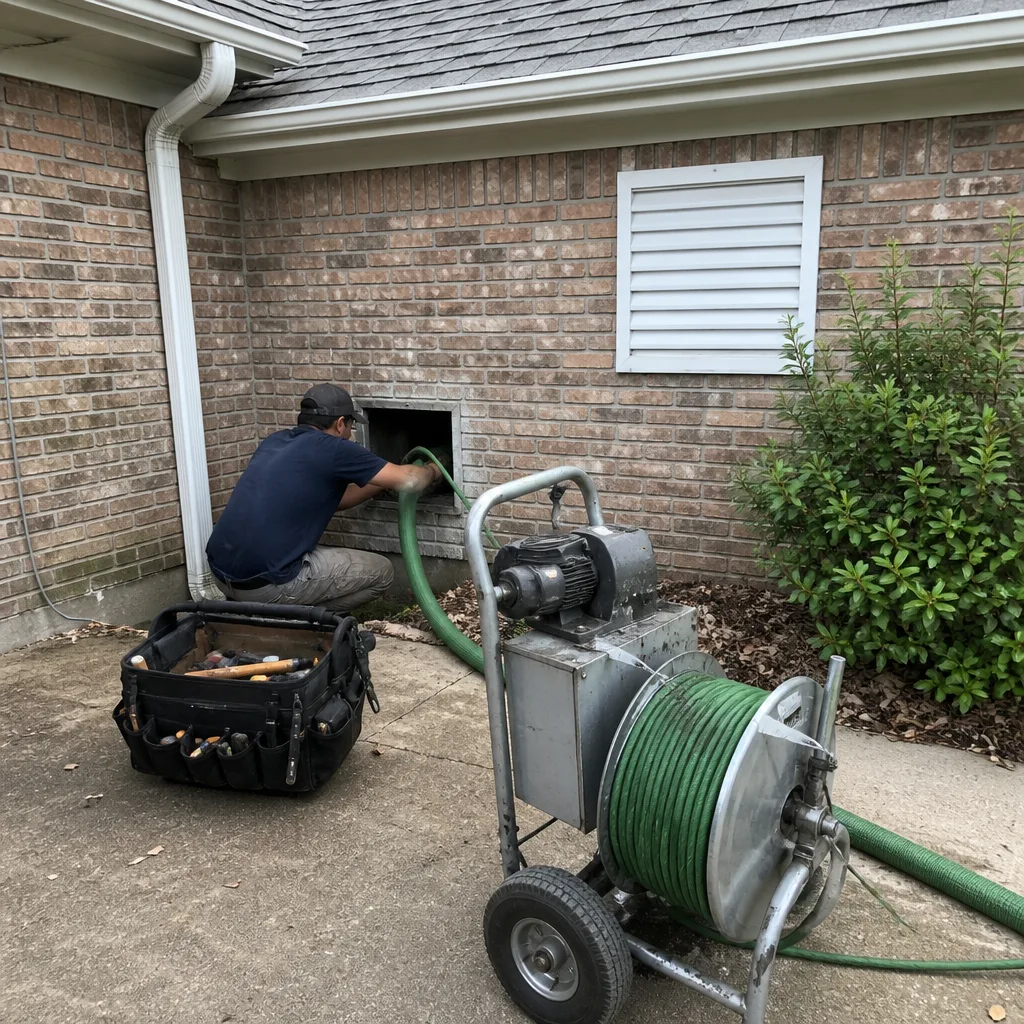
Whole-system duct and dryer vent check with before-and-after photos - you see exactly what came out of your vents
That "$99 whole-house special" is a bait ad - the real number appears once they are in your hallway, or the "clean" is a shop-vac at the register. We photograph the inside of your ducts before and after instead.
Styles & brands we work with
See the difference
 Before
 After
After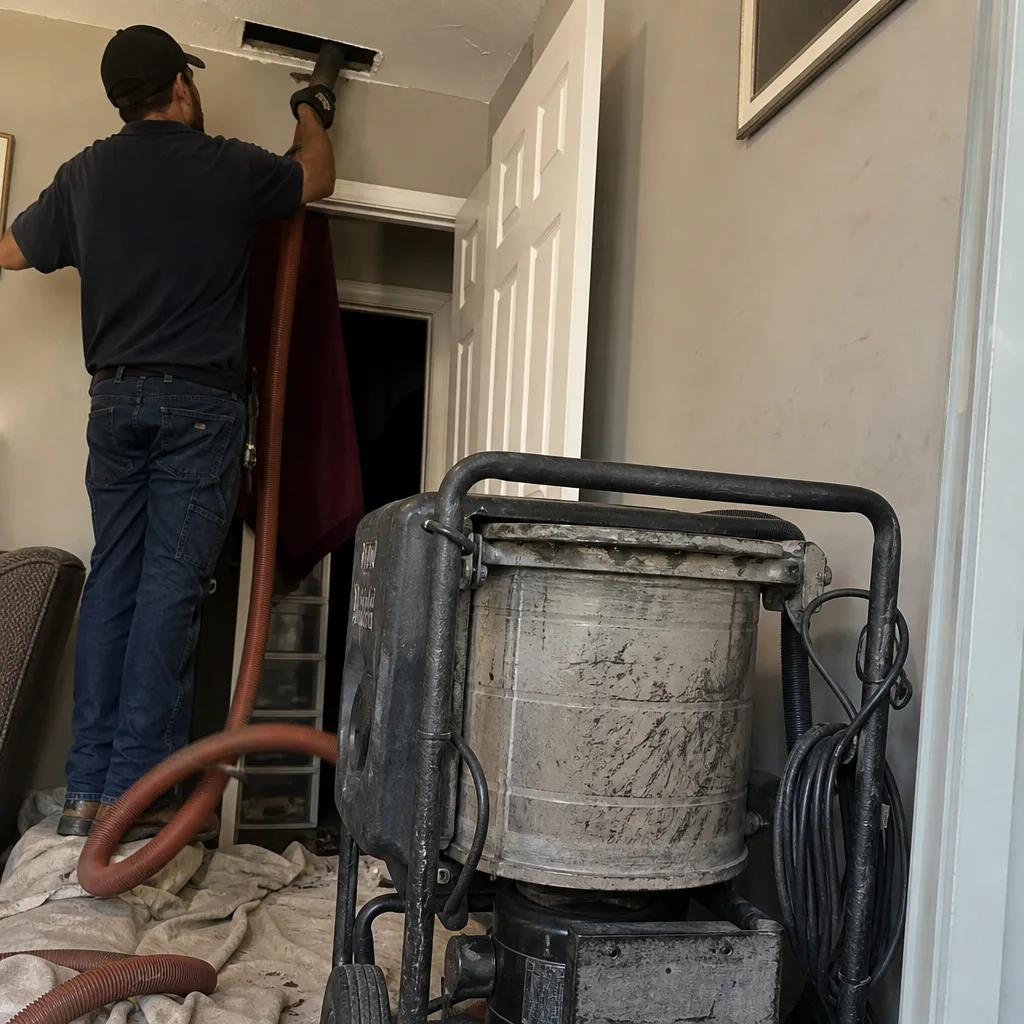 Before
 After
After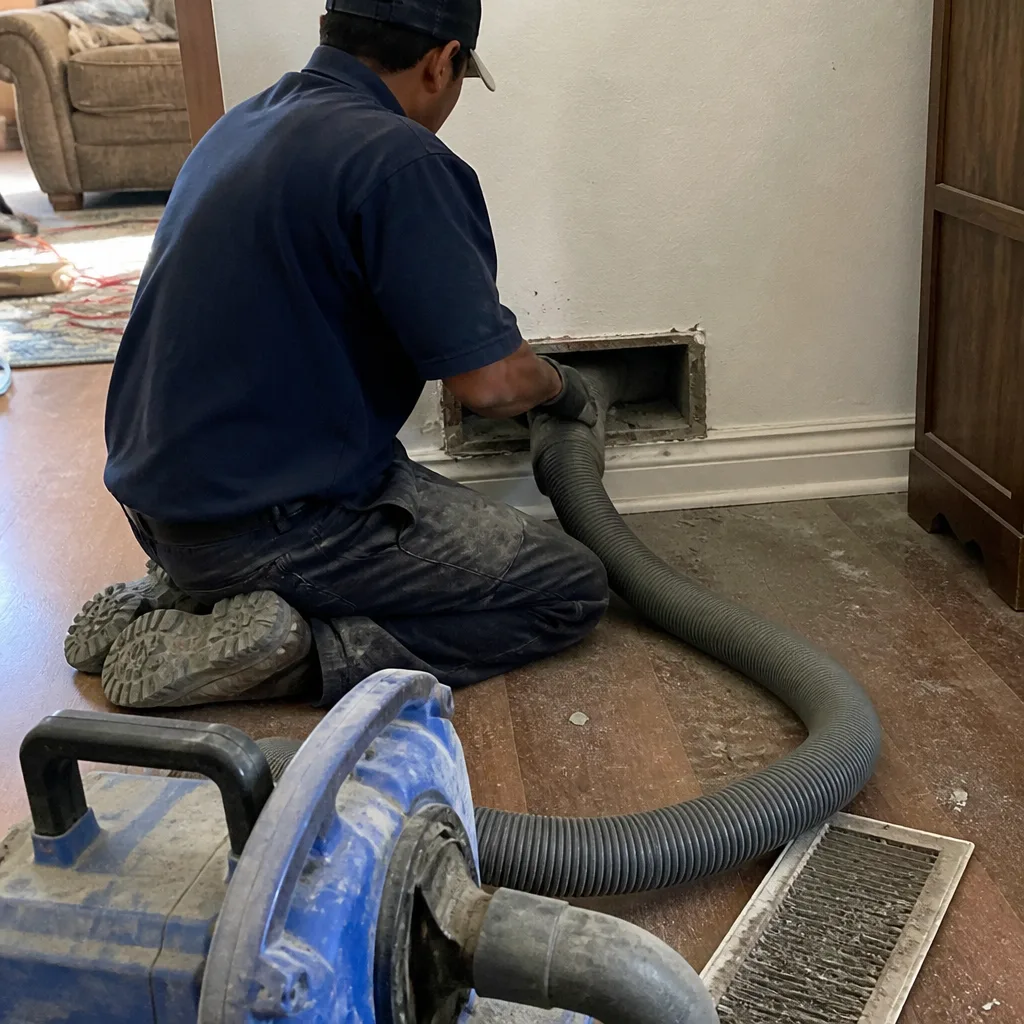 Before
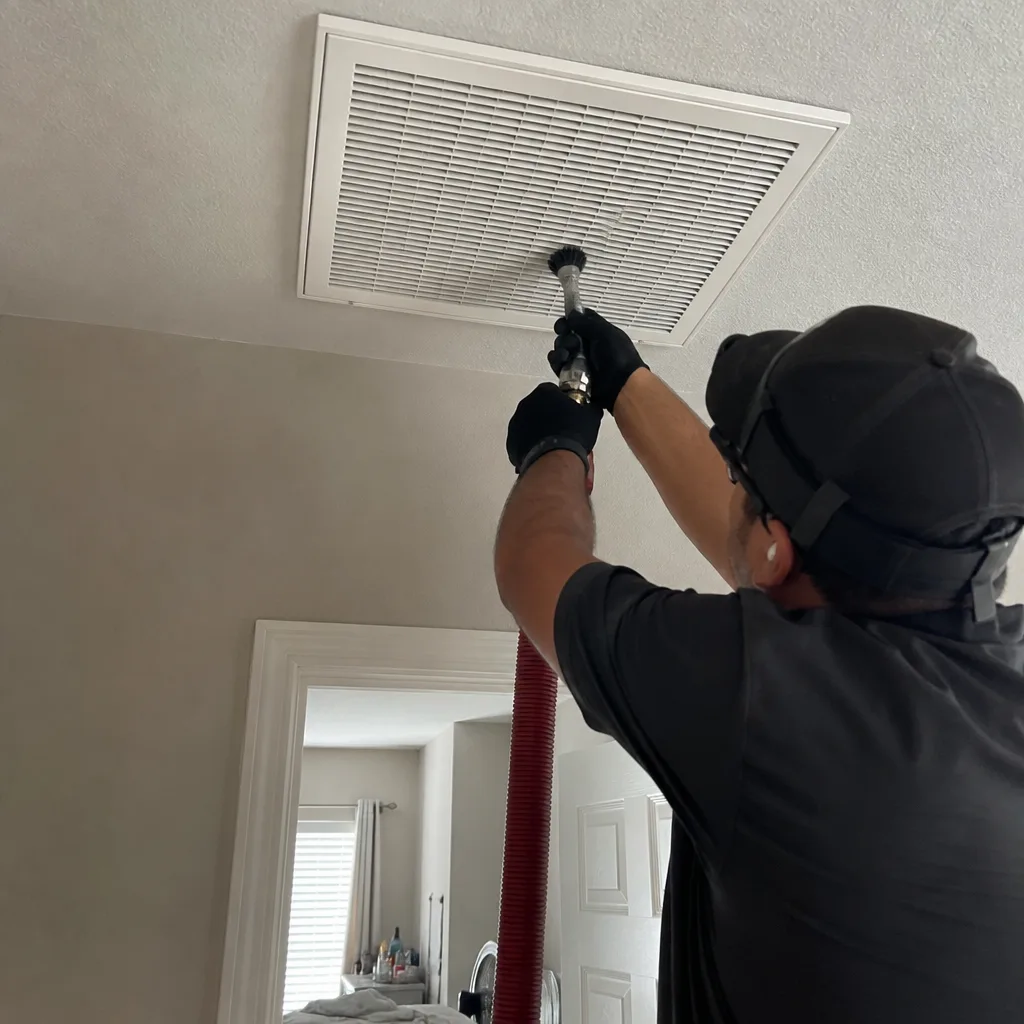 After
AfterReturn Duct Cleaning in Houston, TX
Return duct cleaning in Houston removes the dust, pet hair, and debris that collects in the ductwork pulling air back toward your HVAC system. Most Houston homes need this done every 3 to 5 years, and the job typically runs $300 to $650 depending on the size of the home and how much buildup has accumulated. Hollis Air Duct Houston performs our Air Duct Cleaning services with negative-air equipment that captures what we knock loose instead of pushing it into your living space. Call (713) 936-5800 for a written quote before any work starts.
Return ducts are the quieter half of your HVAC system. Supply ducts push conditioned air out. Return ducts pull room air back to the furnace or air handler so it can be filtered, cooled or heated, and sent out again. When those return runs get coated in dust, pet dander, and the fine gray film that Houston humidity helps stick to duct walls, your system works harder to pull the same volume of air. That means longer run times, higher summer bills, and more dust recirculating through rooms. If you want the full picture of how your system moves air, start with our Air Duct Cleaning in Houston page, then come back here for what happens on the return side specifically.
Home comfort in Houston depends on airflow. Return duct neglect is one of the most common findings we document on first visits, especially in homes built before 1990 where return air often moves through wall cavities and panned joists rather than sealed metal duct. Those older return paths collect dust differently than modern flex duct, and they need a cleaning approach that accounts for how they were built.
When You Need Return Duct Cleaning
Most homeowners don’t think about return ducts until something forces them to. Here are the signs we hear about most from Houston customers before they call us:
- Dust settles back within 48 hours of cleaning surfaces. If you dust the living room and it looks dusty again two days later, the return side of your system is likely reintroducing it. The return grille is usually the dirtiest visible part of the system because all that room air passes over it constantly.
- The return grille looks like a gray carpet. Pull the filter or look through the grille. If you see a matted layer of gray fuzz on the louvers or just behind them, that same material is lining the return duct downstream.
- One room stays warmer than the rest of the house. A restricted return in a bedroom or upstairs hallway reduces how much air gets pulled from that space, which directly limits how much conditioned air can reach it. In Houston summers, this shows up as a room that never quite cools to the thermostat setting.
- You hear a whistling or rushing sound at the return grille. This often means the return is partially blocked or the duct is undersized for what the system now demands. Cleaning removes the blockage component; if the duct is still undersized afterward, we’ll tell you that in plain terms instead of pretending a cleaning fixed it.
- Renovation dust is still circulating months after the project ended. Drywall dust, sawdust, and construction debris get pulled into return ducts during remodels and stay there. Houston’s building boom means we see this constantly in Heights bungalows, Meyerland rehabs, and Katy new construction where builders ran the system before the dust settled.
- Your energy bills climb in summer without a rate change. Restricted return airflow makes the blower work harder and the coil work colder than it should. The system still hits the thermostat eventually, but it runs longer to do it. Return duct cleaning restores the airflow side of the equation.
Our Return Duct Cleaning Process
We use the negative-air method, which is the standard commercial crews rely on. Here’s what that means for your home, step by step:
- We inspect the return path first. Before any equipment gets set up, we look at the return grilles, the filter housing, the return drop, and as much of the return trunk as we can access. We’re checking for buildup, but also for loose connections, gaps, and signs that return air is being pulled from unconditioned spaces like attics or wall cavities.
- We connect a negative-air machine to the return trunk. This is a HEPA-filtered vacuum unit, typically a Nikro or Abatement Technologies machine, that puts the return side under negative pressure. The air flows toward the vacuum, which means anything we dislodge gets pulled into the machine’s filtration, not pushed into your home. We explain this on every job because it’s the difference between cleaning and just relocating dust.
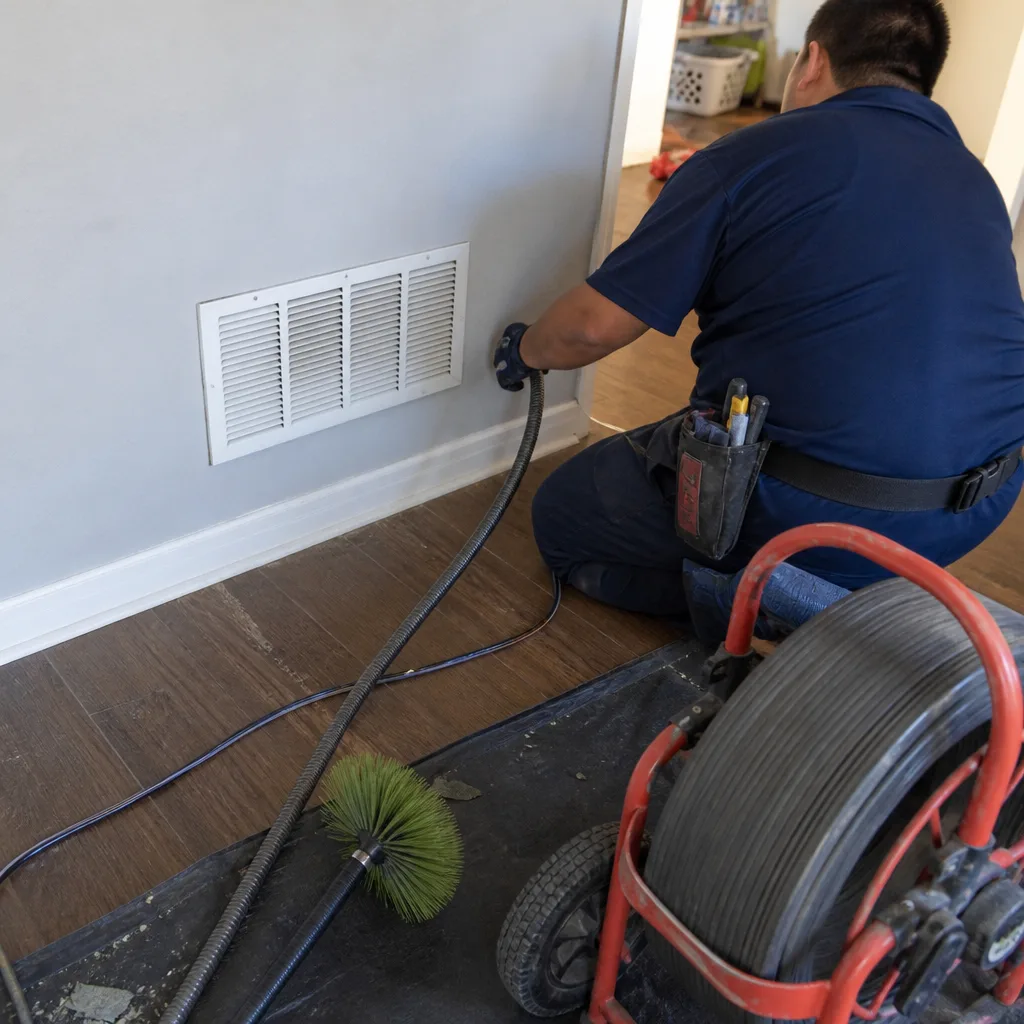
- We agitate the duct walls with rotary brushes. A Rotobrush rotary brush system runs through the return runs, physically scrubbing the interior surfaces. This is what breaks the bond between the dust film and the duct wall. Negative pressure alone won’t remove caked-on buildup in Houston’s humidity; the mechanical agitation does the actual work.
- We clean the return grilles, filter housing, and return plenum by hand. These are the components you see and touch. The grille gets washed, the filter housing gets vacuumed and wiped, and the return plenum gets inspected for debris that’s too heavy for the brush to clear.
- We verify airflow before we pack up. We measure airflow at the return before and after where possible, and we walk you through what we found: how much came out, what it was, and whether we saw anything that needs attention beyond cleaning, like a disconnected return, an undersized drop, or missing filter access.
Every one of these steps is performed by a background-checked, uniformed technician. Our crews follow The Garrison Code on every job: arrive inside the quoted window, put the price in writing before work starts, complete the work by the book, and leave the site clean. Nothing about this process is a secret. We want you to understand what you’re paying for, which is why we walk you through the findings rather than disappearing into the attic and handing you an invoice.
Return Duct Cleaning Pricing in Houston
How Much Does Air Duct Cleaning Cost? (2026 Price Guide) - Houston, TX: return duct cleaning in Houston typically runs $300 to $650 for a single-family home. Here’s the breakdown by home size and system configuration, so you know what to expect before you call:
- Small home or condo (up to 1,500 sq ft, one return): $300 to $425. These systems usually have a single return drop and relatively short return runs. The job is faster, but we still run the full negative-air setup and inspect the entire return path.
- Mid-size home (1,500 to 2,800 sq ft, two returns): $425 to $550. Two-story homes in the Houston metro, from Pearland to Cypress, usually have a return upstairs and another downstairs. Each return path gets the same cleaning standard.
- Large home (2,800+ sq ft, three or more returns): $550 to $800. Multiple returns, long trunk runs, and sometimes zoned systems add labor time. We price this before any work starts, in writing.
- What affects the price: The number of return grilles, the length and accessibility of the return ducts, how much buildup has accumulated, and whether the return runs through accessible attic space or through finished walls. Houston homes built on slabs often route returns through the attic, which is usually easier to access than basement systems up north.
- What does NOT cost extra: A written price before we start. A clean site when we leave. A callback within the year if the cleaning did not hold. Those are covered by the 365-Day Done Right Promise, not add-on line items.
The 365-Day Done Right Promise is this, in writing: if the return duct cleaning fails within a full year, we come back and make it right at no charge. That includes a free second visit. No fine print, no prorated labor rate, no argument. If you call back and the work did not hold, we return and redo it. That’s the standard Roy Castellanos set when Hollis Air Duct Houston joined the Garrison Partners family, and it hasn’t changed since 2004.
We also offer a free estimate on every return duct cleaning job. Call (713) 936-5800, describe your home and what you’re seeing, and we’ll give you a written quote range. No estimate balloons once the technician is inside because the written price is the price. That’s The Garrison Standard at work.
Why Return Ducts Matter More in Houston
Houston’s climate does two things to return ducts that don’t happen in drier cities. First, the humidity means dust sticks. Fine particles that would stay airborne in Phoenix or Denver settle and adhere to duct walls here. Second, the cooling season runs from March through October, which means your system moves air almost constantly for eight months. That volume of airflow translates to more dust passing through the return side than in cities with real winters.
We also see Houston-specific return duct problems that stem from how homes were built. In older sections of the Heights and Garden Oaks, return air often runs through wall cavities lined with nothing but framing lumber and drywall. Those cavities pull air from inside walls, which means they also pull insulation fibers, construction dust, and whatever else is in there. Cleaning them requires a different touch than cleaning round metal duct, and we’ve been doing this work long enough to know which return paths need what approach. In newer construction from The Woodlands to Sugar Land, we see flex duct returns that were undersized from the start or that have sagged over time, creating low spots where dust collects like sediment in a pipe.
One thing that does not change from home to home: a dirty return duct makes your air filter work harder and fail sooner. If you’re replacing filters every 30 days and they still come out black, the problem is upstream in the return path, not the filter itself. Cleaning the return side, then letting your Honeywell or Aprilaire filtration do its job on a clean system, is the correct order of operations. We’ll tell you if your existing filtration setup is right for your home after a return cleaning, but we won’t push equipment you don’t need.
FAQs – Return Duct Cleaning
How much does return duct cleaning cost in Houston?
Return duct cleaning in Houston costs between $300 and $650 for most single-family homes, with smaller condos and larger custom homes falling slightly outside that range on either end. The exact price depends on the number of return grilles, the length of the return duct runs, and how much buildup has accumulated since the last cleaning. Hollis Air Duct Houston writes the price down before any work starts, and that number does not move at the door. Call (713) 936-5800 for a free written estimate.
How long does return duct cleaning take?
Return duct cleaning takes 2 to 4 hours for most Houston homes. A single-return condo can be done in about two hours; a two-story home with two or three returns and heavy buildup typically takes three to four. We’ll give you a time window when you book, and our technicians arrive inside that window, uniformed and ready. You don’t need to leave the house, and there’s no reason to. We’ll walk you through the findings before we leave.
Is return duct cleaning worth it if I just change my filters regularly?
Yes, because your filter only catches what reaches it. Dust that has already adhered to the return duct walls upstream of the filter is not going anywhere until it’s physically removed. Changing filters regularly slows the accumulation, but it does not reverse it. Houston’s humidity makes the dust film stick harder here than in dry climates, which means the return side of most systems needs mechanical cleaning every 3 to 5 years regardless of filter discipline. We use rotary brush systems to break that bond, and negative-air machines to capture what comes off.
Can dirty return ducts make my allergies worse?
Dirty return ducts can make allergy symptoms worse because the return side pulls airborne particles across the same dust-coated surfaces every time the system runs, picking up and redistributing whatever has accumulated there. Pet dander, pollen that entered through open doors, and dust mite debris all concentrate in return duct film. Cleaning the return side, then running a properly fitted filtration system like a Honeywell or Aprilaire media filter, gives your HVAC a clean path to do its job. For a complete picture, see our Air Duct Cleaning in Houston page, which covers the whole system.
Do you clean return ducts only, or the whole system?
We can do either. Return duct cleaning focuses on the ductwork pulling air back toward the air handler: return grilles, return runs, the return drop, and the return plenum. Supply Duct Cleaning addresses the ductwork pushing conditioned air out to your rooms. Many Houston homeowners start with the return side because that’s where the visible grime accumulates, then add supply-side cleaning if we find significant buildup there during inspection. We’ll price either scope in writing before you decide.
Call Hollis Air Duct Houston for Return Duct Cleaning
If your return grilles look dirty, your dust comes back two days after you wipe it away, or a room never cools the way it should, the return side of your system is the place to start. Call (713) 936-5800 and a live person answers, 24 hours a day, every day of the week. No voicemail trees, no waiting until Monday. We’ll schedule a time, show up inside the window, put the price in writing, and do the work by the book. If it’s not done right, the 365-Day Done Right Promise means we come back and make it right at no charge. That’s been the standard since 2004, and it applies to every return duct cleaning job we perform in Houston.
Written by Roy Castellanos, Owner at Hollis Air Duct Houston, serving Houston.