
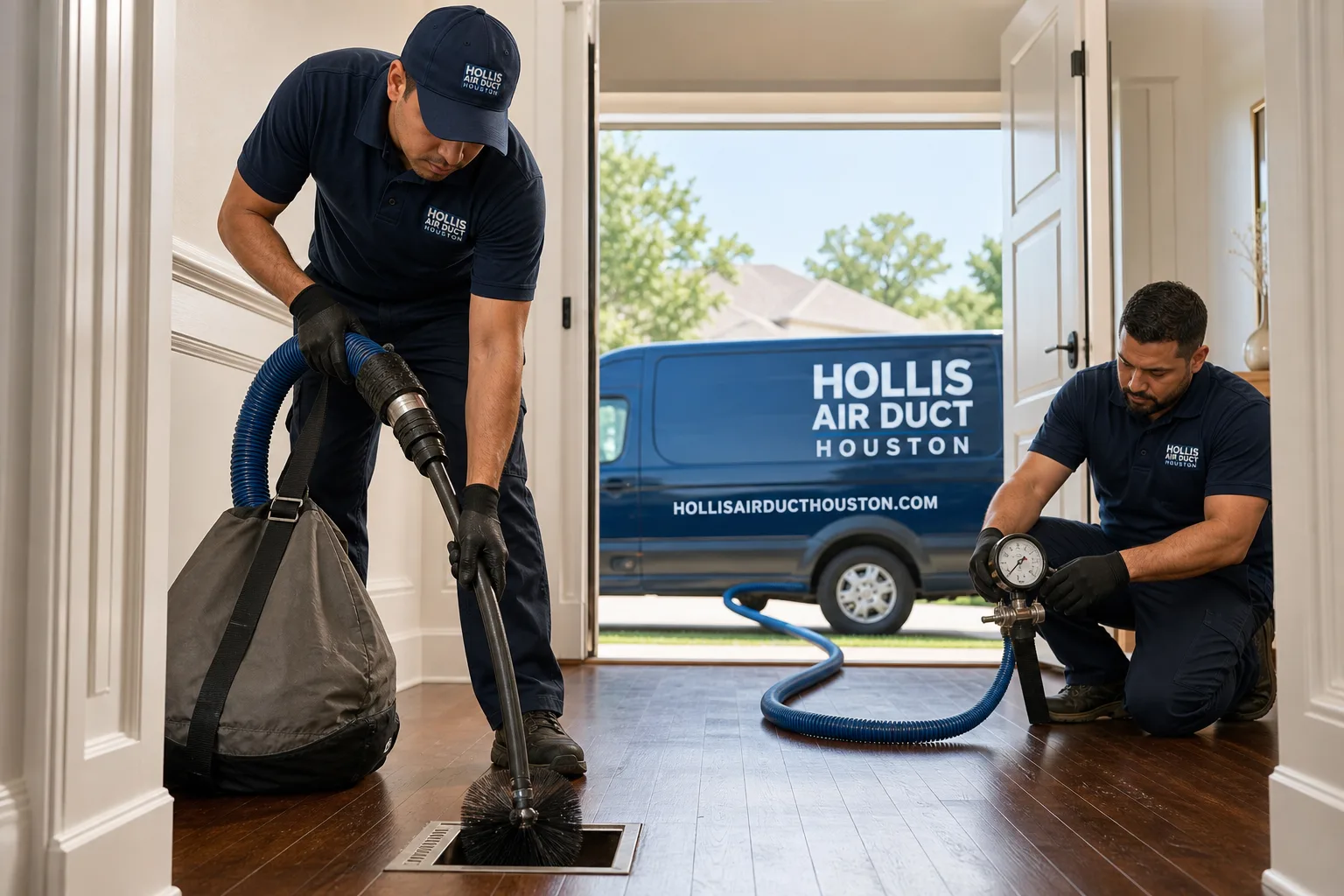
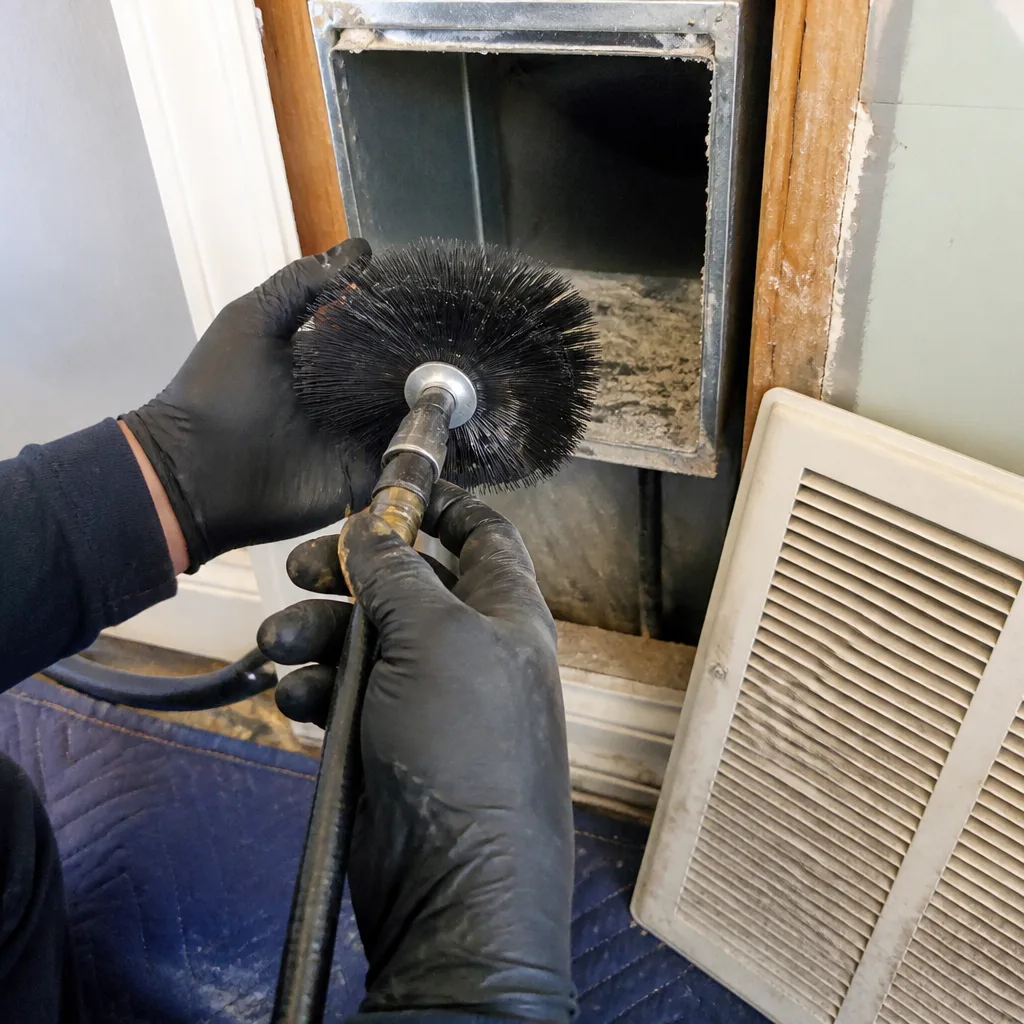
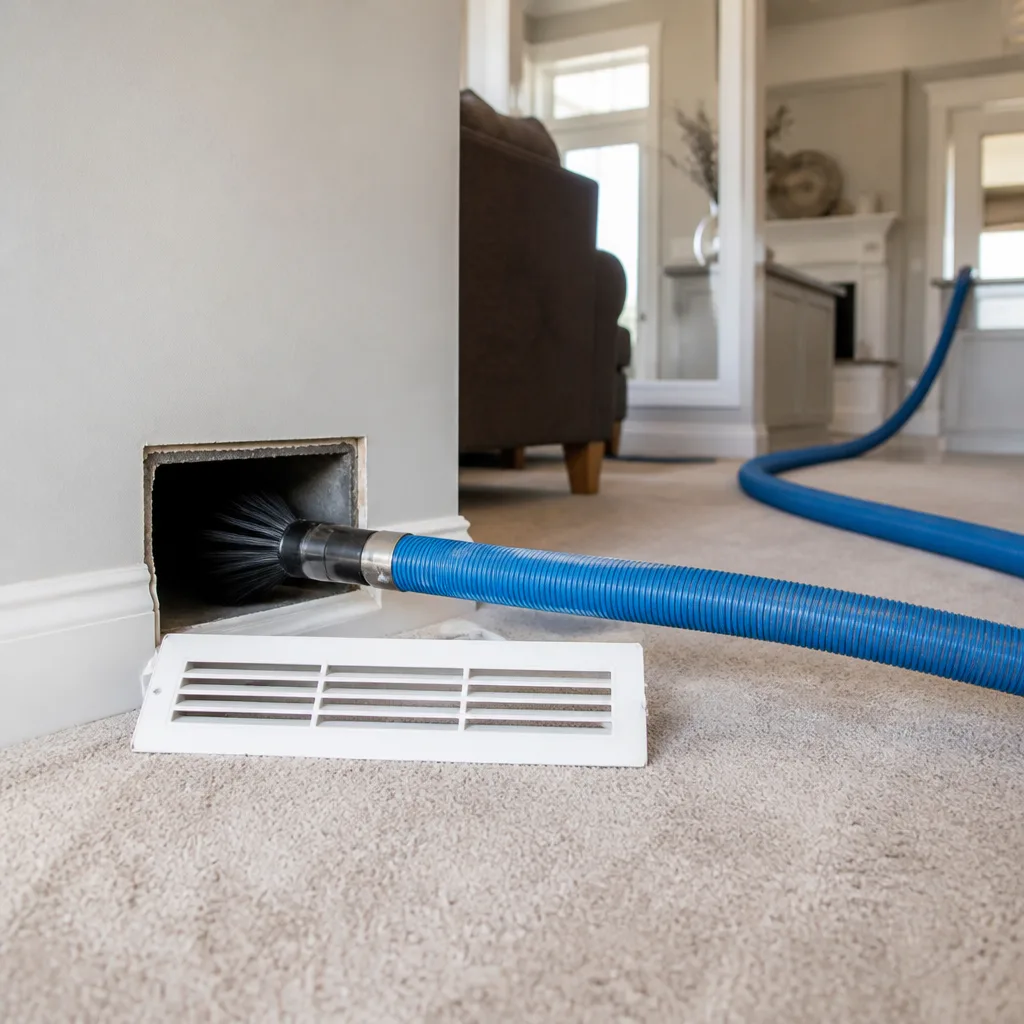
 Whole-home duct cleaning
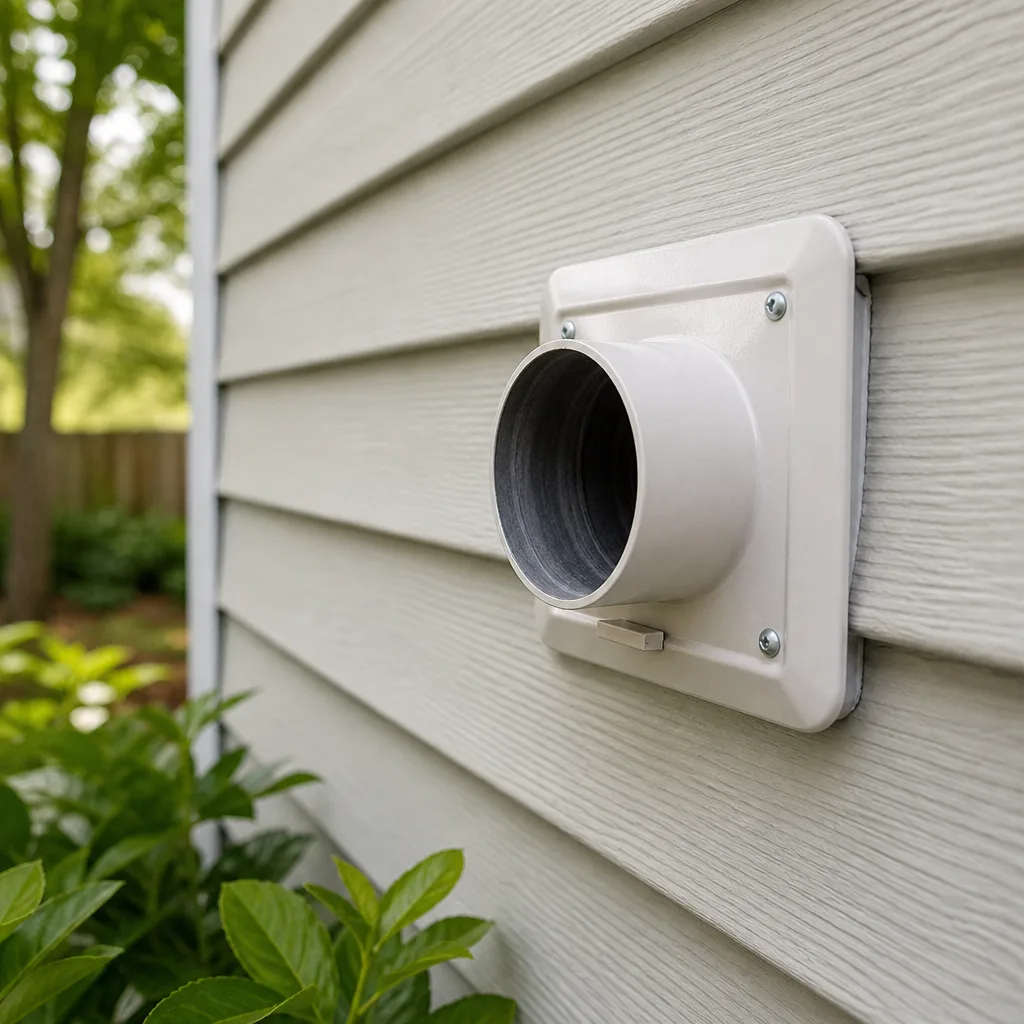 Dryer vent cleaning
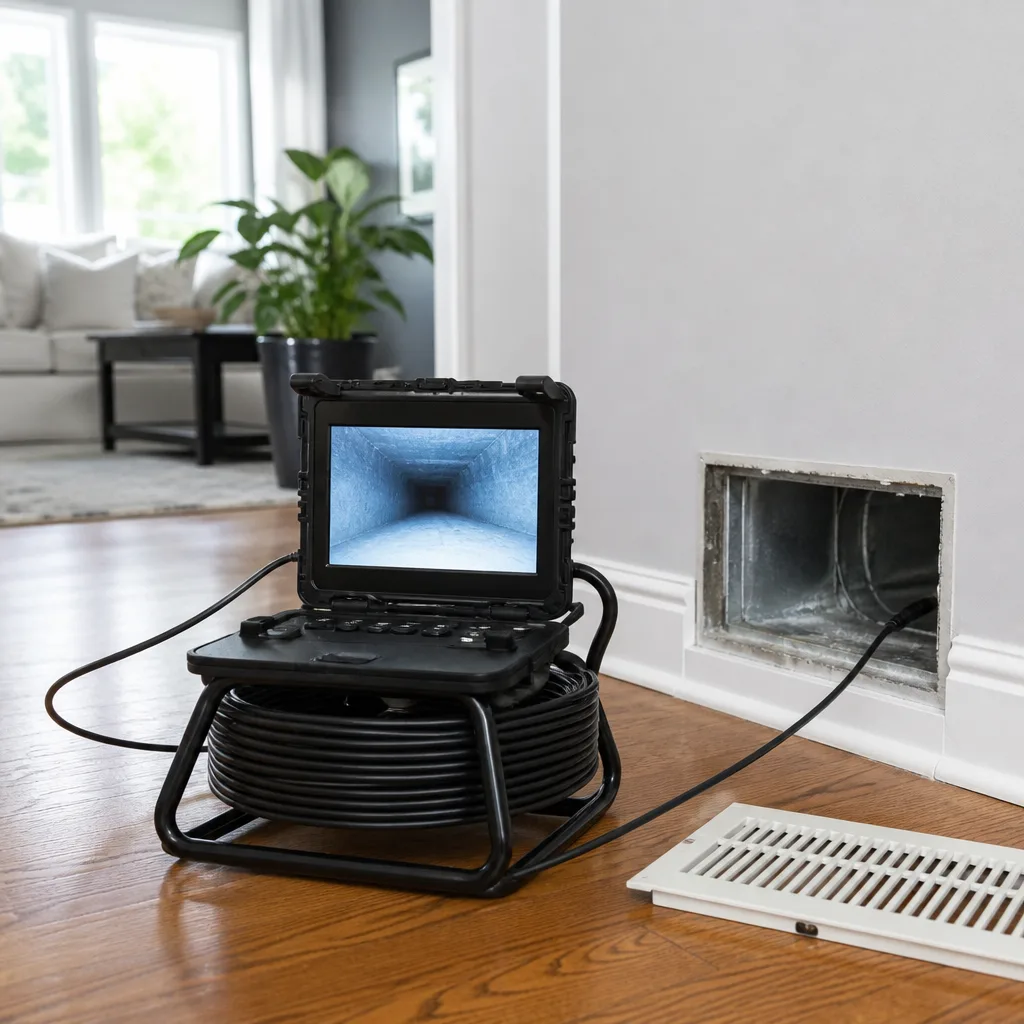 Camera inspection
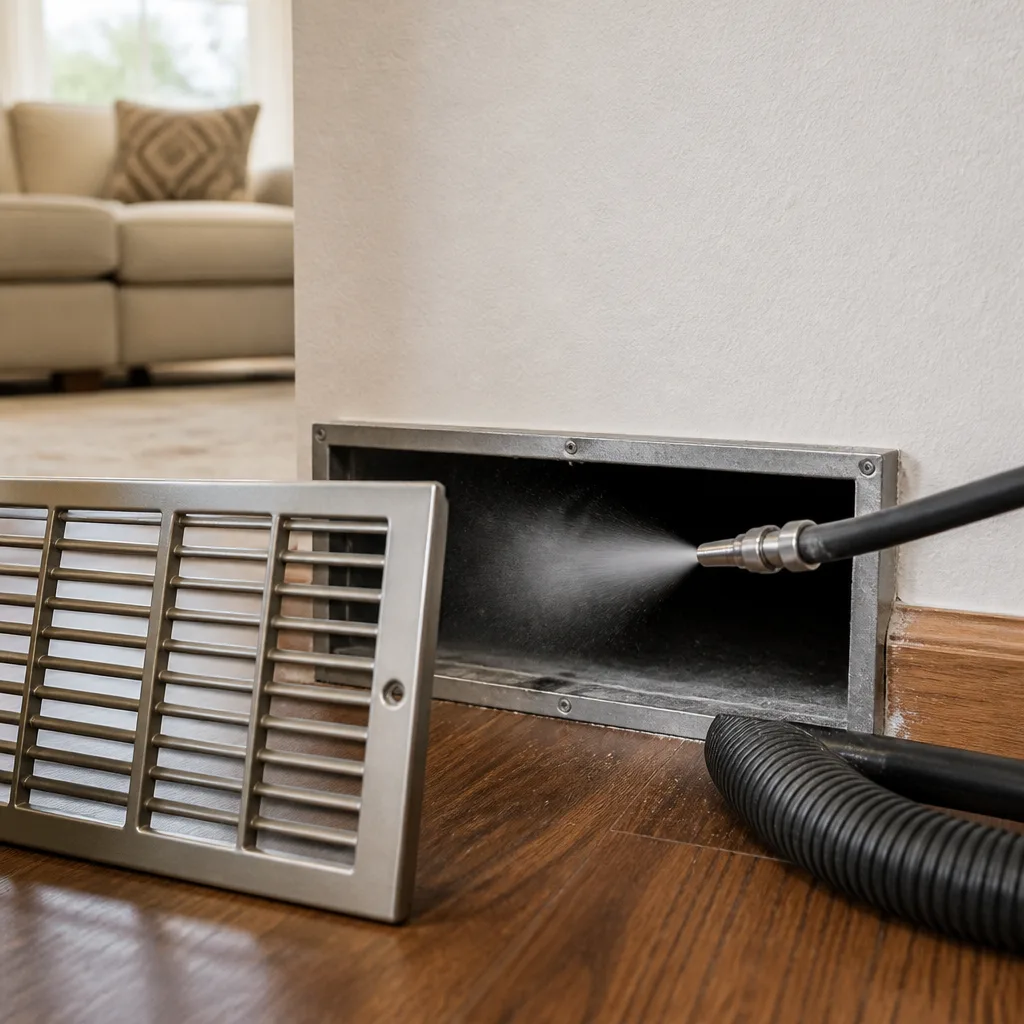 Sanitizing & deodorizing
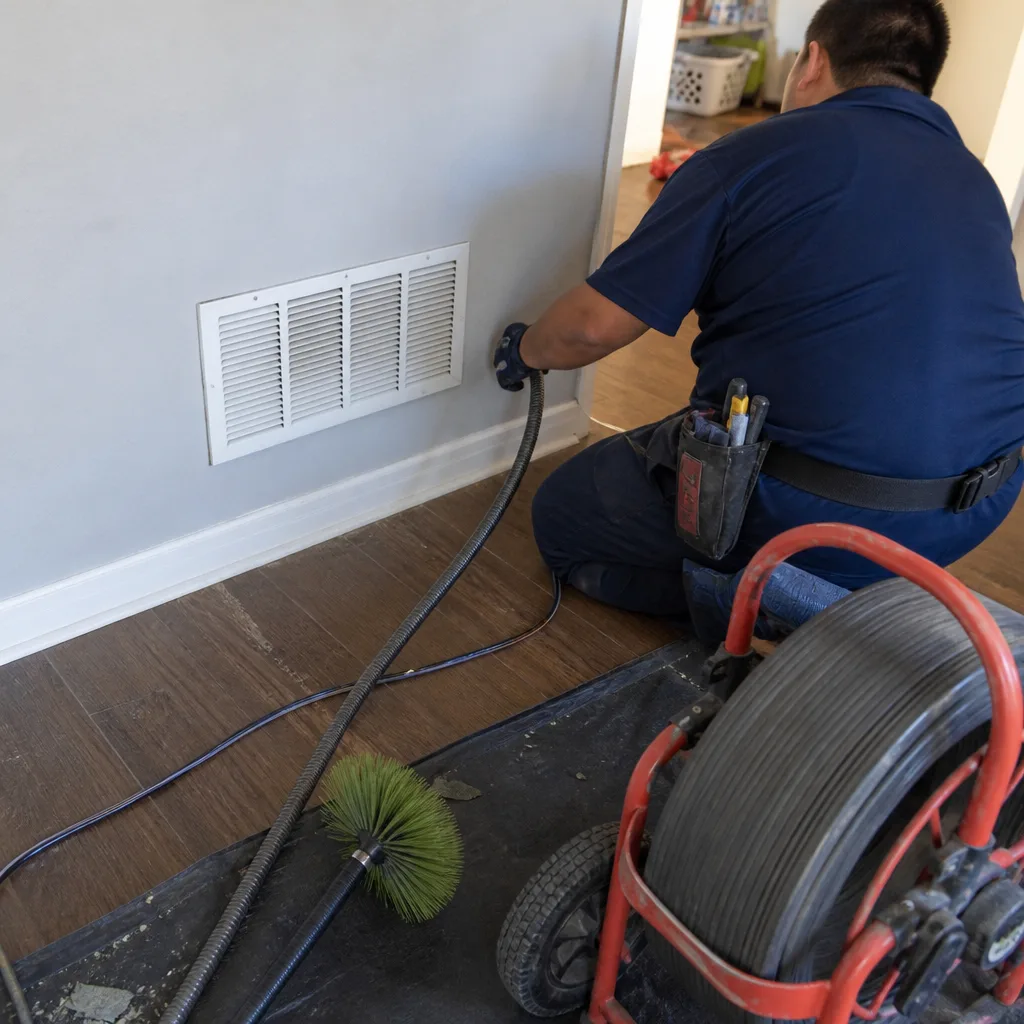
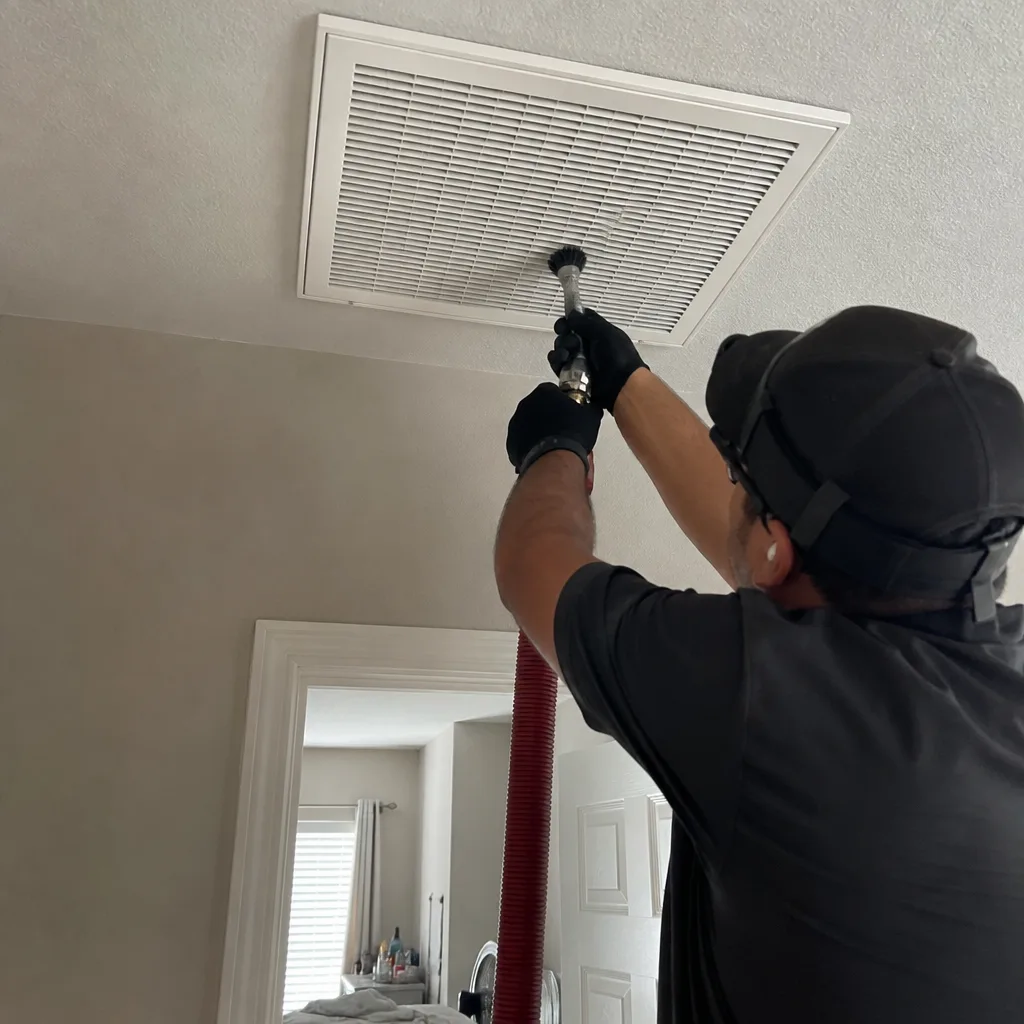
Whole-system duct and dryer vent check with before-and-after photos - you see exactly what came out of your vents
That "$99 whole-house special" is a bait ad - the real number appears once they are in your hallway, or the "clean" is a shop-vac at the register. We photograph the inside of your ducts before and after instead.
Styles & brands we work with
See the difference
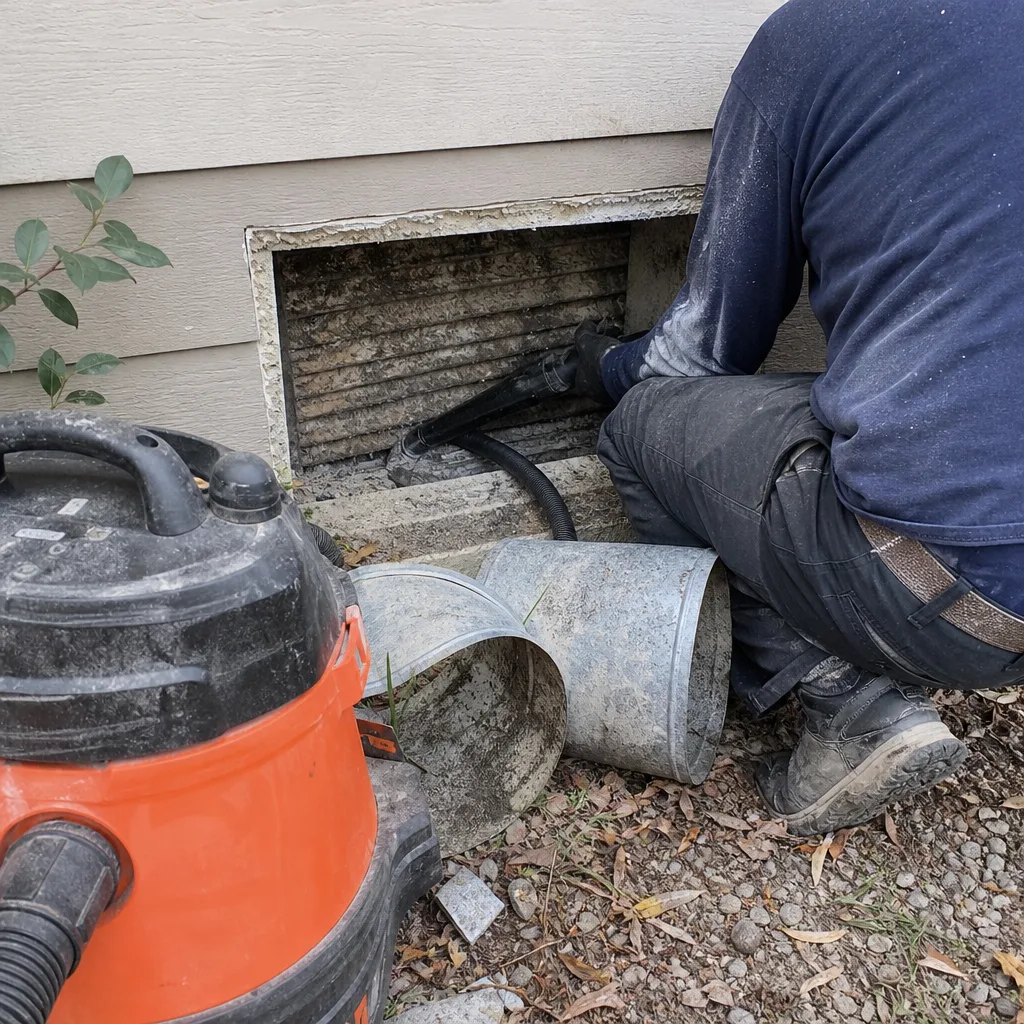 Before
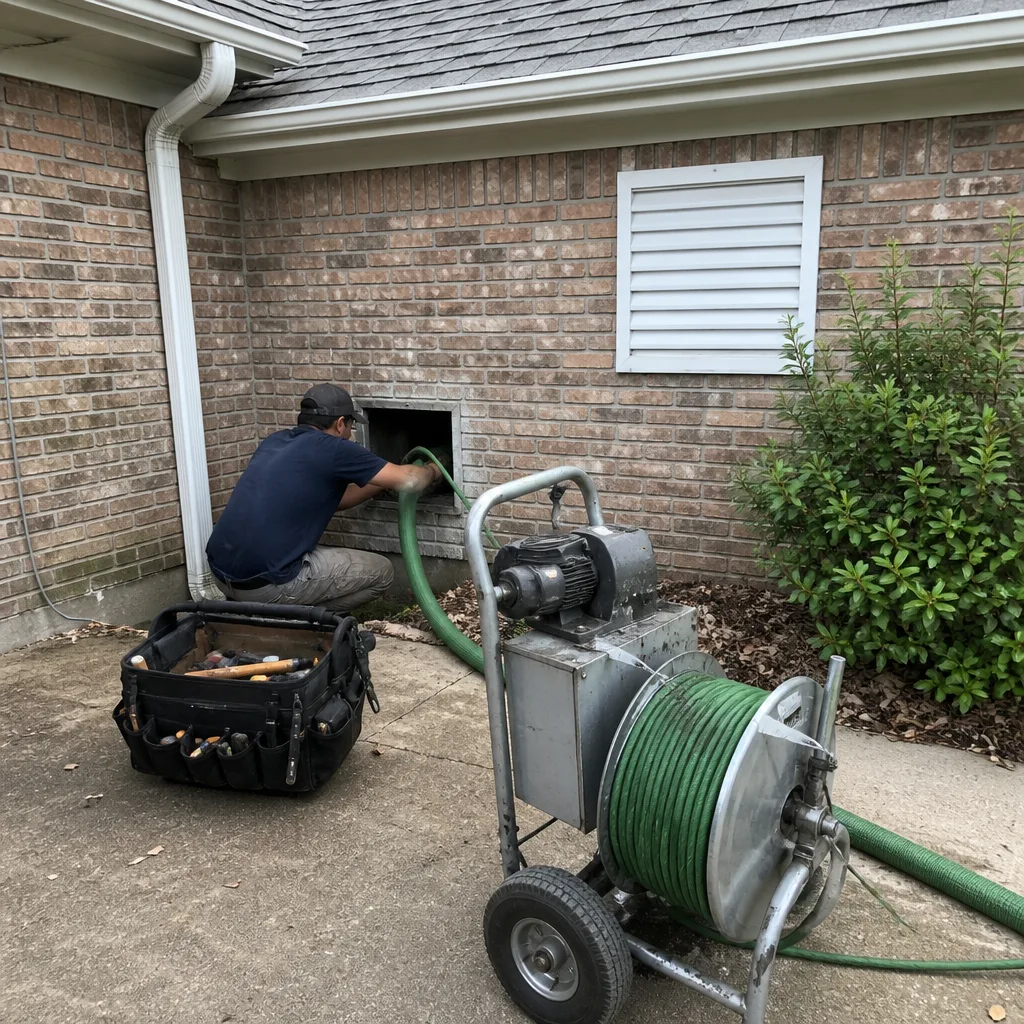 After
After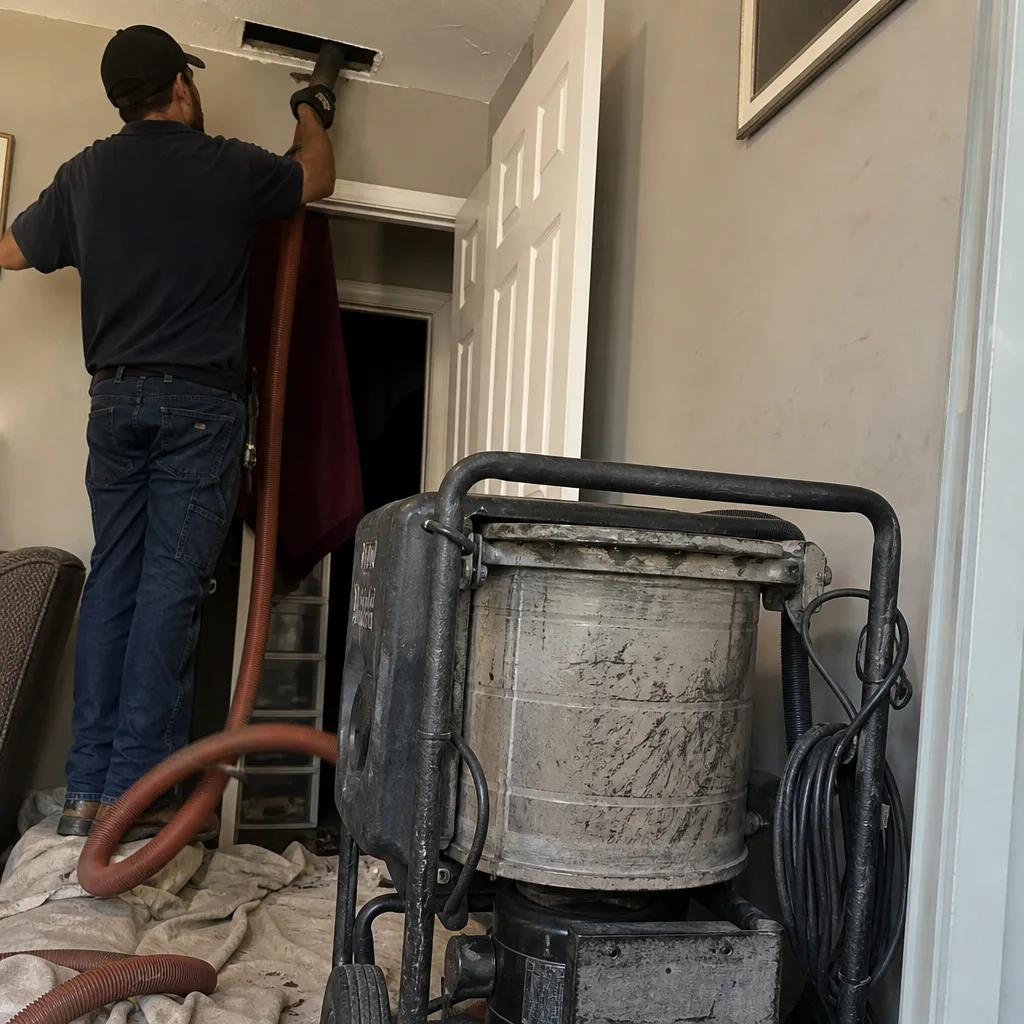 Before
 After
After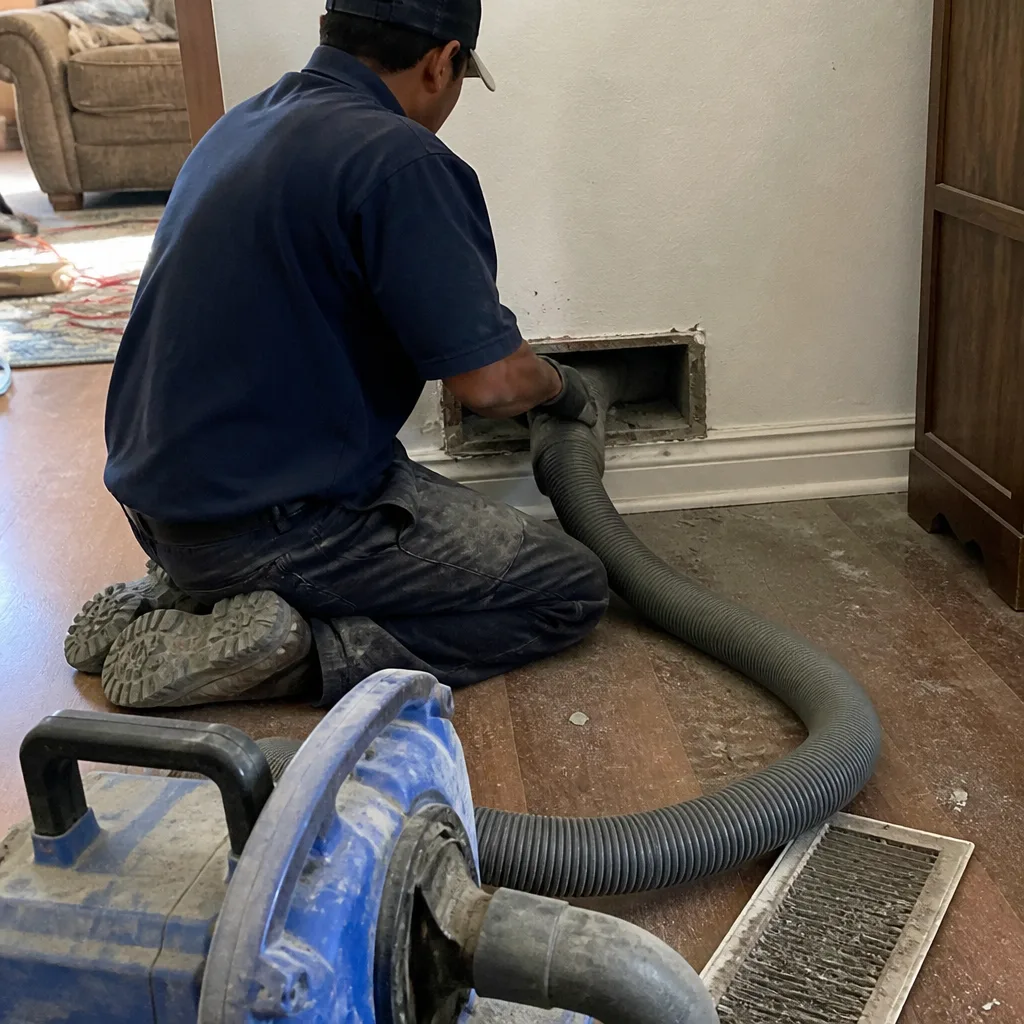 Before
 After
AfterHow Much Does Duct Repair & Sealing Cost in Houston?
Duct repair and sealing in Houston typically costs between $350 and $1,800, with most jobs landing between $600 and $1,100. A basic access-panel repair or small section replacement runs on the lower end, while sealing an entire duct system with mastic and aeroseal-type methods lands higher. At Hollis Air Duct Houston, we write the price down before any work starts, so the number you’re quoted is the number you pay.
Houston’s humidity and attic heat make duct problems more common here than almost anywhere else in the country. Ducts in unconditioned attics bake at 130°F or worse in July, and the constant moisture cycle degrades tape, loosens joints, and opens gaps that pull attic air into your home. If you’re seeing higher electric bills, rooms that won’t cool evenly, or dust accumulating faster than normal, your ductwork is likely leaking more than the 20-30% that’s common in this market.
Key Takeaways
- Typical duct repair in Houston: $350 – $1,800 with most jobs between $600 and $1,100
- Small repair (patching, access panel, single boot replacement): $150 – $450
- Full duct sealing (mastic or aeroseal): $800 – $2,500 depending on system size and access
- Every Hollis job gets a written price before work starts – no door-price increases
- 365-Day Done Right Promise: if the repair fails within a year, we return at no charge
- Free estimates: call (713) 936-5800 and a live person answers, 24/7
Duct Repair & Sealing Cost Breakdown (2026)
Here’s what Houston homeowners can expect to pay in 2026 for common duct repair and sealing work. These are real ranges from our job history across the Houston metro, not national averages dressed up to look local.
| Job Type | What It Involves | Typical Price Range (Houston, 2026) |
|---|---|---|
| Access panel repair or replacement | Cutting a new access opening, patching, sealing with mastic | $150 – $350 |
| Single duct section replacement | Replacing a crushed, torn, or detached flex duct run | $200 – $500 |
| Supply boot replacement (per boot) | Replacing the metal collar where duct meets floor or ceiling register | $175 – $400 per boot |
| Duct joint re-sealing (small system) | Sealing visible joints and seams with mastic on a 1,200 sq ft home | $350 – $700 |
| Duct joint re-sealing (large system) | Same work on a 3,000+ sq ft home or two-story layout | $700 – $1,400 |
| Full system duct sealing (mastic + mesh) | Complete sealing of all accessible ductwork, plenum, and boots | $800 – $1,800 |
| Aeroseal-type whole-system sealing | Pressurized aerosol sealing for entire duct system, including inaccessible runs | $1,200 – $2,500 |
| Duct insulation replacement | Wrapping or replacing degraded R-6/R-8 insulation on attic duct runs | $400 – $1,200 |
The biggest driver of cost in Houston is access. Ducts in a single-story home with a walkable attic are faster to reach than ducts in a two-story house where half the runs are between floors or buried under blown-in insulation. Homes in older neighborhoods like the Heights, Garden Oaks, or Meyerland often have tighter attic access and older galvanized duct that needs more tedious hand-sealing. Newer builds in Cypress, Katy, or Pearland with flex duct and roomier attics tend to run on the lower end of these ranges.
At Hollis, the price you get on the estimate is the price on the invoice. We don’t run clock-based billing on duct sealing, and we don’t “discover” surprise charges once a technician is in the attic. The Garrison Standard we operate under requires a written price before any tool comes off the truck.
What Affects Duct Repair & Sealing Pricing in Houston
- Attic access and condition. Houston attics run brutally hot from May through October. If your attic has limited clearance, no decking, or deep blown-in insulation, the work takes longer and costs more. Technicians may need to work in 120°F+ conditions, which slows everything down. Homes with spray-foam encapsulated attics (common in newer builds in Fulshear and Sienna) are faster and safer to work in, and pricing reflects that.
- Duct material and age. Older galvanized steel duct in homes built before 1985 often has failing tape at every joint. Flex duct installed in the 1990s and 2000s degrades from humidity and rodent damage. Rigid duct can sometimes be re-sealed; collapsed flex duct usually must be replaced section by section. The age and condition of your ductwork directly sets both labor hours and material cost.
- System size and number of runs. A 1,500 sq ft home with 8 supply runs costs less to seal than a 3,500 sq ft home with 18 runs, two plenums, and a return chase. More boots, more collars, more joints, more time. It’s that simple.
- Mold or rodent contamination. Houston’s humidity breeds mold inside ducts that have been leaking condensation. If our inspection finds microbial growth, rodent nests, or significant debris, remediation becomes part of the job. That’s usually done through air duct cleaning before sealing, and it adds cost. We’ll show you the contamination with a camera before recommending anything.
- Energy-efficiency goals. Some Houston homeowners want a simple repair to restore airflow to one room. Others want the entire system sealed and insulated to hit the energy-efficiency standards from the 2021 IECC that Houston adopted variants of. A full seal-and-insulate project on an older system is a bigger job. We quote both scopes separately so you can decide what fits your budget and your goals.
- Time of year. Houston’s HVAC season is effectively year-round, but demand spikes from May through September. During those months, availability tightens across the city. Hollis still answers the phone 24/7 and works emergency jobs, but scheduling flexibility can affect which day we can get a crew out. The price doesn’t change seasonally; the wait might.
Signs Your Ducts Need Repair or Sealing
Before we get into how to save money, here’s what actually shows up when ductwork is failing in Houston. These aren’t hypotheticals. These are the patterns we see weekly in neighborhoods from Westbury to Atascocita:
- Rooms that never reach set temperature. A bedroom that’s always 5°F warmer than the thermostat is usually a disconnected or crushed duct run, not a weak AC unit. One collapsed flex line under insulation can starve an entire room.
- Electric bills climbing with no weather change. Leaking ducts pull attic air into the system, forcing your HVAC to work harder. In Houston’s August heat, that can mean $40-$90 more per month on electricity compared to a properly sealed system.
- Dust accumulation faster than normal. Gaps in return ducts pull unfiltered attic air into your living space. That’s fiberglass dust, insulation particles, and whatever else lives in your attic.
- Musty or stale smell when the AC kicks on. That’s attic air entering the system through leaks and blowing into your living room. In humid months, it also carries condensation and creates the conditions for mold inside ducts.
- Visible tape peeling at duct joints. If you can see duct tape peeling or hanging in your attic, the seals have failed. Duct tape fails in attic heat within a few years. Proper sealing requires mastic or aerosol sealing, not tape.
- Condensation on vents or ceilings. Warm, humid Houston air hitting cold metal duct surfaces creates sweating. That moisture drips onto drywall and insulation, causing stains, rot, and eventually mold.
If any of those are showing up, the smart move is a professional duct inspection. We’ll camera-scope the inside of your ducts, show you what’s leaking, and give you a written quote before any work begins. The inspection and quote are free for homeowners in the Houston metro.
How to Save on Duct Repair & Sealing
You don’t need to gamble on a cheap bid to keep costs down. Here’s how to get fair pricing without cutting corners on the work itself:
- Get a camera inspection first. A visual inspection tells you what’s actually wrong. Some companies quote a full sealing job when the real problem is one crushed duct run. Ask to see the camera footage. If a company won’t show you the problem, don’t pay for the solution. We show footage from every inspection.
- Seal what’s accessible first. If your budget is tight, sealing all accessible joints in the attic plus replacing crushed or disconnected runs will solve 80% of airflow problems for a fraction of an aeroseal job. We’ll quote both scopes separately so you know exactly what you’re choosing between.
- Combine duct sealing with duct cleaning. If you’re already scheduling air duct cleaning, sealing at the same time saves a trip charge and often reduces the total price by $100-$200. Clean ducts seal better; mastic adheres to clean metal and flex duct more reliably than to dust-caked surfaces.
- Check for utility rebates. CenterPoint Energy and some Houston-area municipal utilities run occasional demand-response and energy-efficiency programs that include duct sealing rebates. These change year to year. Call your power provider or ask us during your estimate; we’ll point you to any active program we know about.
- Act before summer. Scheduling in spring means your choice of days and often faster turnaround. The price at Hollis doesn’t change with season, but your ability to get a crew out the day you want is better in April than in August. If you’re doing a full system seal, spring is also more comfortable work weather for our technicians, which means a cleaner, more careful job.
- Take the written quote seriously. If one company gives you a price over the phone without looking at your system, walk away. That’s not a quote; that’s a teaser. Real pricing comes after inspection, in writing, and doesn’t move. Get your free estimate by calling (713) 936-5800.
Duct Sealing Methods Explained (What You’re Actually Paying For)
In Houston, there are three accepted ways to seal ductwork. Each has a different price point and a different level of permanence. Here’s what each method is and what it does for your home:
Mastic and Mesh Sealing
Mastic is a thick, paste-like sealant applied with a brush or gloved hand to duct joints, seams, and collars. It dries into a durable, flexible seal that doesn’t degrade in attic heat. Combined with fiberglass mesh tape over larger gaps (anything over about 1/8 inch), it’s the workhorse of duct repair in Houston. Mastic sealing costs less than aerosol methods and works on metal and flex duct alike. It’s the method we use most often because it’s durable, inspectable, and priced in writing before we start.
Aeroseal (Pressurized Aerosol Sealing)
Aeroseal is a newer method that blows a fine latex-based aerosol mist through the entire duct system under pressure. The particles seek out and accumulate at leaks, building up over time until the gap seals itself from the inside. It can reach leaks in ductwork that’s buried between floors or behind walls where no technician can physically access the joint. In Houston, aeroseal runs higher than mastic sealing due to equipment costs and setup time. It’s the right tool for hard-to-reach systems, especially two-story homes with duct runs in chases or under slab. It’s not always necessary, and we’ll tell you when mastic will do the same job for less.
Butyl Tape and Clamp Sealing (Temporary)
Butyl foil tape and compression clamps are sometimes used as a stopgap on specific joints. But here’s the honest truth from our work in Houston’s attic conditions: standard duct tape (cloth-backed, rubber adhesive) fails within 2-4 years in attic heat. Butyl tape holds longer but still degrades. Clamps can loosen with thermal cycling. We don’t sell temporary fixes as permanent solutions. If your system can be sealed with mastic or aeroseal, that’s what we recommend and what our 365-Day Done Right Promise covers.
Why Houston’s Climate Makes Duct Sealing More Important
Houston sits in a humid subtropical climate zone, which means your ducts are fighting conditions that ducts in Dallas or Austin don’t face. Summer attic temperatures routinely exceed 130°F. Winter humidity stays high. The constant expansion and contraction of duct material loosens joints over time, and the humidity degrades adhesive seals faster than dry heat. That’s why duct sealing in Houston has a shorter effective lifespan than in drier climates, and why our 365-Day Done Right Promise matters here specifically: if a seal fails within a year due to materials or workmanship, we come back at no charge. In this climate, that promise gets used more often than it would anywhere else in Texas.
The other Houston factor is code and insurance. Houston’s building code has moved toward requiring sealed and insulated ductwork in unconditioned spaces, and some homeowners insurance carriers are starting to flag homes with visibly deteriorated duct systems. If you’re selling a home in Harris County, a duct inspection and sealing job can be the difference between a smooth closing and a repair request from the buyer’s inspector. We regularly work with Houston real estate agents and homeowners preparing to list in neighborhoods like Oak Forest, Spring Branch, and Montrose.
FAQs – Duct Repair & Sealing Cost
How much does it cost to repair a single duct run in Houston?
Replacing a single crushed or torn flex duct run in Houston typically costs $200 to $500, depending on length, diameter, and whether the run is in an accessible attic or a cramped chase. If the run is short and the attic is walkable, pricing lands on the lower end. Call (713) 936-5800 for a written quote after we inspect your specific system.
Is it cheaper to repair or replace ductwork?
Repairing and sealing existing ductwork costs significantly less than full replacement in Houston. Sealing an entire system runs $800 to $1,800, while full duct replacement typically runs $3,000 to $7,000 or more for a standard 2,000 sq ft home. Unless your ductwork is collapsed, mold-infested, or undersized, sealing usually delivers 80-90% of the benefit at a third of the cost. We’ll show you the condition of your ducts on camera before recommending either path.
How much does aeroseal duct sealing cost in Houston?
Aeroseal whole-system sealing in Houston typically costs $1,200 to $2,500 for a standard single-family home, depending on system size and the amount of leakage. The method is most cost-effective on homes where a significant portion of ductwork is inaccessible, such as between floors in two-story builds or in slab chases. For homes where all ducts are accessible from the attic, mastic sealing usually achieves similar results for $400 to $1,000 less.
Can you fix ductwork the same day in Houston?
Small repairs like access panels, single run replacements, and visible joint sealing can usually be completed the same day we’re on site. Full-system sealing or aeroseal jobs typically take one full day, sometimes two for very large homes. Call (713) 936-5800 and a live person will answer 24/7 to schedule an inspection. Same-day and next-day appointments are available based on crew scheduling.
How much can leaky ducts add to my Houston electric bill?
According to Department of Energy data, leaky ducts can waste 20-30% of your HVAC system’s conditioned air. In Houston, where AC runs 8-10 months of the year and summer electricity rates average 14-16 cents per kWh, that typically translates to $30-$90 in wasted electricity every summer month. Over a year, properly sealed ducts often pay for themselves in 2-4 years through lower utility bills alone. That’s before you factor in the comfort improvement in rooms that currently won’t hold temperature.
Does duct sealing help with allergies or dust in Houston?
Yes. When return ducts leak, they pull unfiltered attic air directly into your living space, bypassing your HVAC filter entirely. After sealing, that pathway closes, and all the air circulating through your home must pass through the filter. In Houston’s dusty, humid environment, sealed return ducts are one of the most effective ways to reduce indoor dust accumulation. If your ducts are also contaminated with years of accumulated debris, we recommend combining sealing with professional air duct cleaning for the best result.
The Hollis Standard on Every Duct Job in Houston
Here’s how we work, in plain terms. Every technician who walks into your home is background-checked, uniformed, and operating under The Garrison Code: arrive inside the quoted window, price in writing before work starts, complete the job by the book, and leave the site clean. That’s not marketing language. It’s the operational standard the company has run on since 2004, as part of the Garrison Partners family.
Our equipment is the same gear commercial crews use on large buildings. We run Rotobrush rotary brush systems for cleaning, Nikro negative-air machines for containment and filtration, and we install filtration products from Honeywell, Aprilaire, Abatement Technologies, and Guardsman when a system calls for them. That matters for duct sealing because a system that gets cleaned with professional-grade equipment and sealed with proper mastic lasts longer and performs better than one serviced with hardware-store tools.
Roy Castellanos, who leads the Hollis team in Houston, has built the business around a simple rule: the price on the quote is the price on the invoice. No bait pricing, no “discovered problems” after the technician is already in the attic, no pressure to upsell. The estimate is free. The work is covered for a full year. If a seal fails, we return and fix it at no charge. That’s the 365-Day Done Right Promise, and it’s on every job in writing.
Get a Free, Written Duct Repair Estimate in Houston
If your ducts are leaking, your rooms are uneven, or your electric bills have crept up, the next step is a camera inspection and a written quote. It costs you nothing to find out what’s actually wrong with your ductwork, and you’ll get a printed price before any work is authorized. Call (713) 936-5800, any time day or night, and a live person will answer the phone. No voicemail loops, no callback queues, no waiting until Monday. That’s part of how Hollis Air Duct Houston has operated since 2004, and it’s not changing in 2026.
Pricing reflects the Houston market as of 2026. Hollis Air Duct Houston offers free estimates – call (713) 936-5800.
Written by Roy Castellanos, Owner at Hollis Air Duct Houston, serving the Houston metro since 2004.
What Our Customers Say
"Duct sealing along with the cleaning cut our summer bill. Straight talk and fair price."
- Gwen O."Crew arrived in uniform at the exact time promised. Covered the floors, cleaned all the supply and return vents, and brushed out the main trunk. Vet-owned, and it shows in the discipline."
- Duane S."Sealed some leaking duct joints in the crawl space with mastic. Rooms that were always cold now get air."
- Ronald W.