
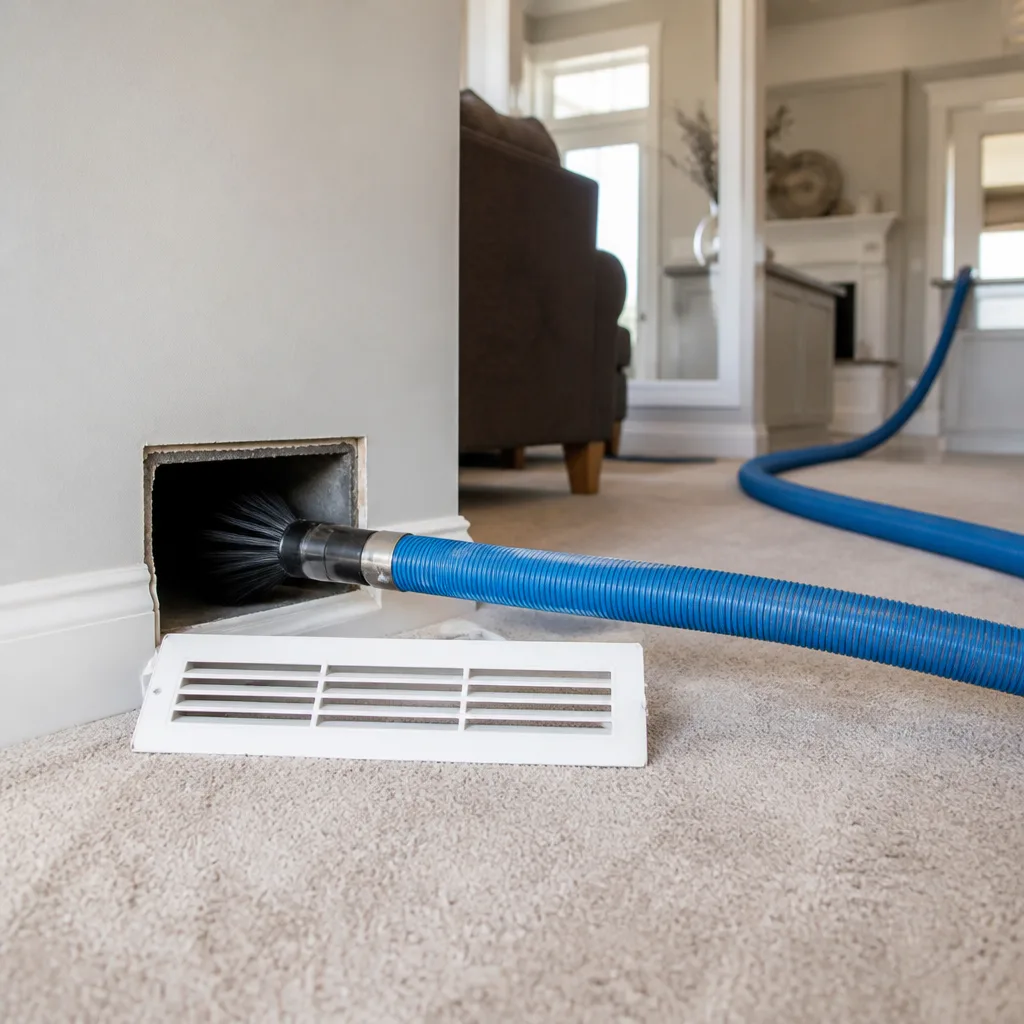
 Whole-home duct cleaning
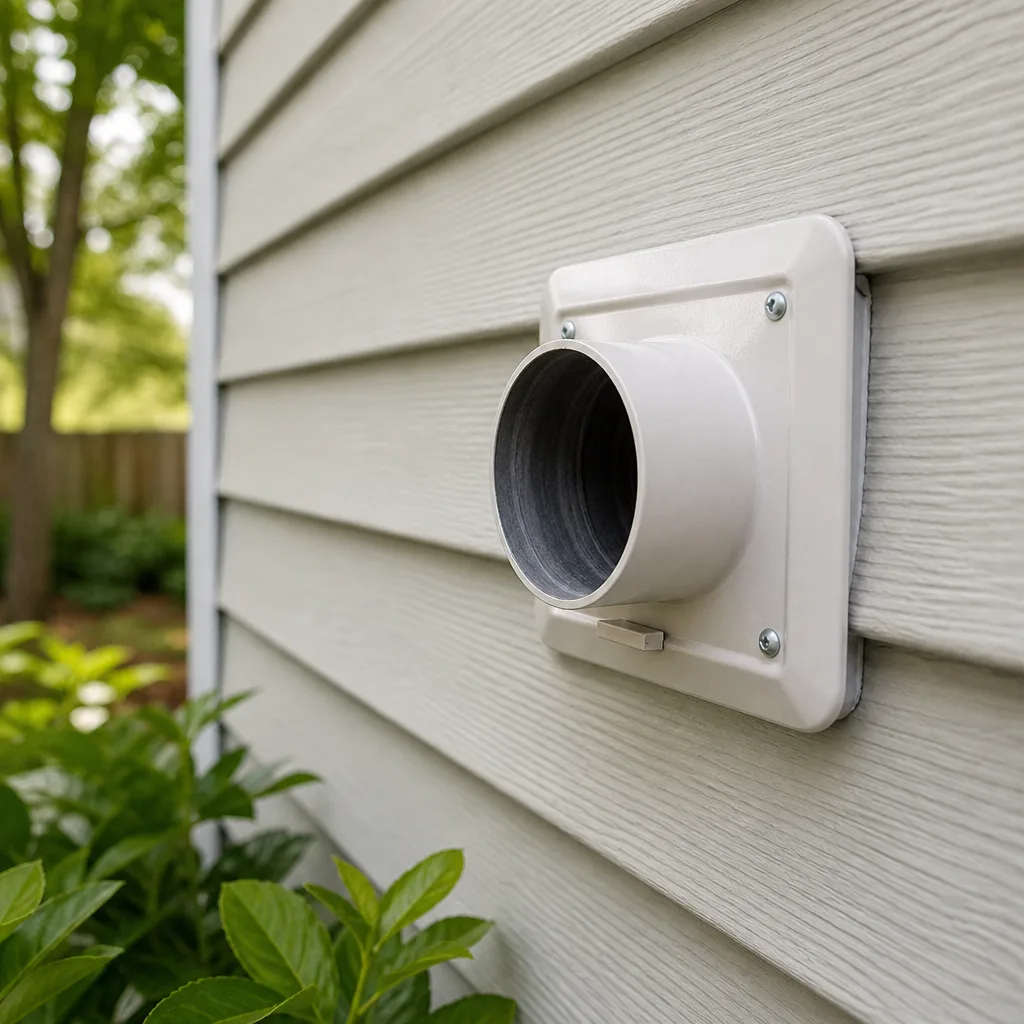 Dryer vent cleaning
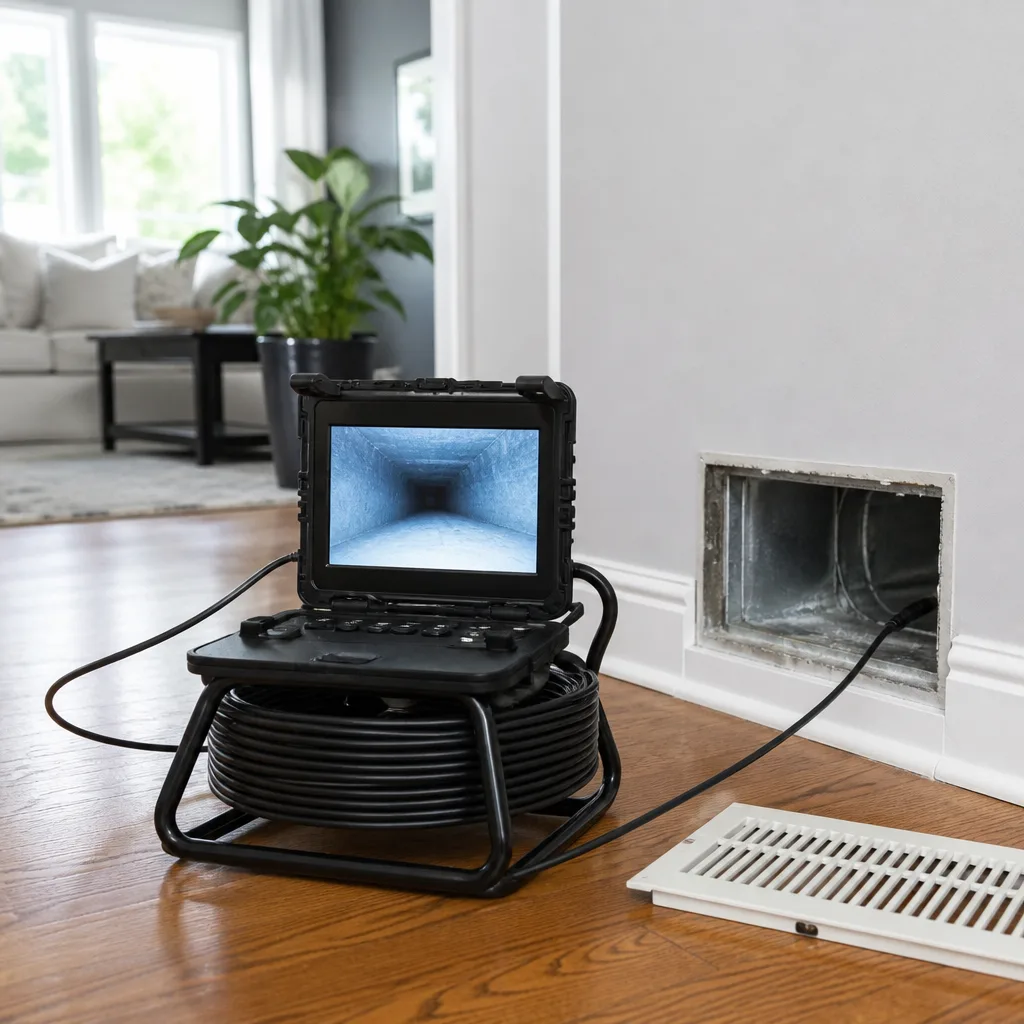 Camera inspection
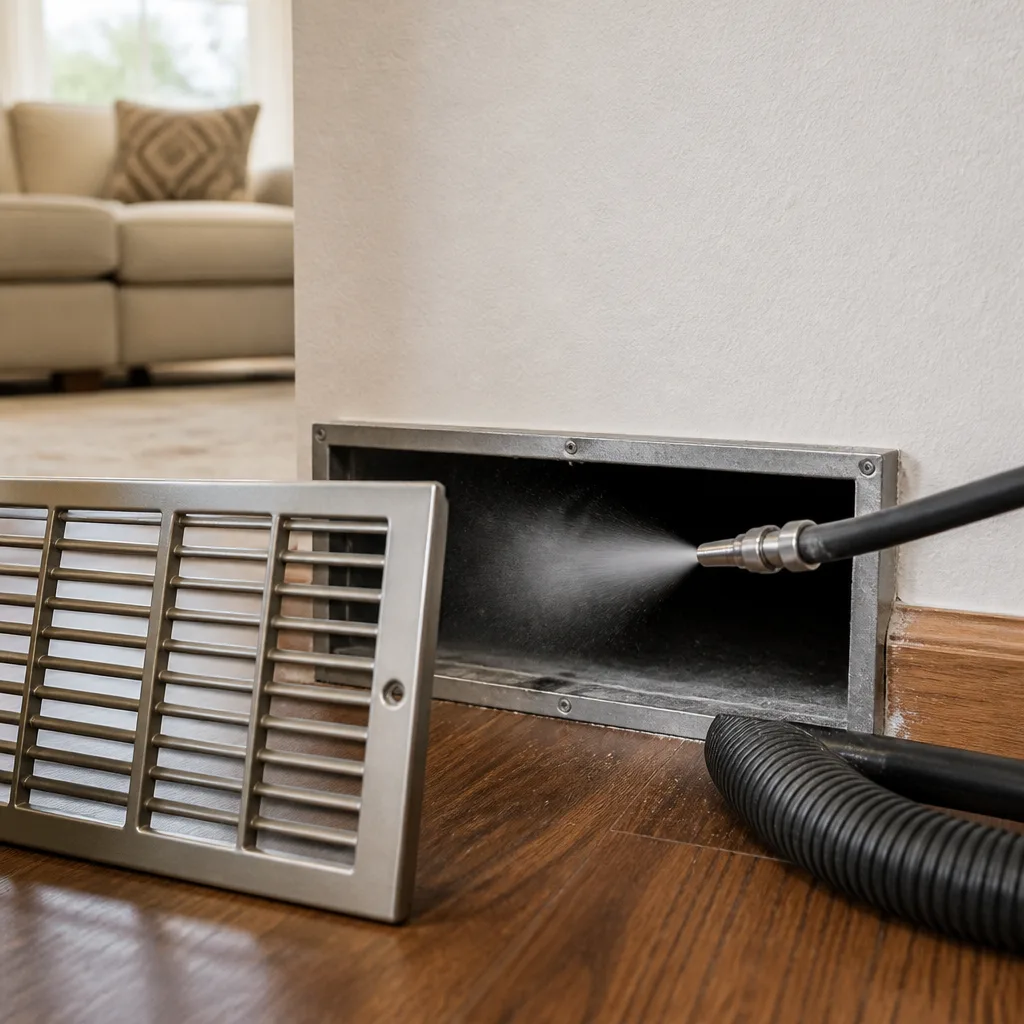 Sanitizing & deodorizing
Whole-system duct and dryer vent check with before-and-after photos - you see exactly what came out of your vents
That "$99 whole-house special" is a bait ad - the real number appears once they are in your hallway, or the "clean" is a shop-vac at the register. We photograph the inside of your ducts before and after instead.
Rotobrush Coil Cleaning: The Houston Owner’s Guide
Rotobrush coil cleaning in Houston typically runs $180 to $340 installed, depending on the coil’s condition and how much buildup has accumulated. We stock Rotobrush-compatible coil cleaning kits and most swaps are done in under two hours. Owners usually discover the problem the same way Roy Castellanos sees it on job sites across Houston: the system’s brush head still spins, but the coils are caked over and the airflow numbers drop hard. When the coils can’t shed the dust they’re pulling out of your ducts, everything downstream works harder than it should.
In Houston, coil fouling happens faster than most owners expect. The humidity here acts like a glue. Dust that would blow through a coil in Dallas or Phoenix settles into the fins here and stays put. Add a few seasons of attic heat cooking that mixture into place and you get a coil that looks like it’s wearing a felt jacket. That’s when the Rotobrush starts losing suction at the head and the cleaning job takes twice as long with half the result.
Which Rotobrush Models This Applies To
This guide covers the coil assemblies used on Rotobrush aiR+ series machines, the BRH series, and the older 110V systems still running in plenty of Houston homes. The compatibility gotcha most owners don’t know: the aiR+ uses a two-coil arrangement with different fin spacing than the BRH single-coil setup. They look nearly identical from the outside, but swapping the wrong one means the brush head won’t seat correctly and you’ll lose vacuum at the collection drum within the first minute of running.
To identify the right coil, check the silver data plate on the machine’s body, not the handle. The model number is stamped there, and the coil spec follows it. If that plate is worn off, which we see regularly on machines that have spent five or six Houston summers riding around in a truck bed, measure the coil’s outside diameter. The BRH coil runs 4.25 inches; the aiR+ runs 4.75. One more gotcha: Rotobrush changed the coil mounting collar design in 2019. Machines built before then need an adapter ring when you install a current-production coil.
On OEM versus aftermarket: Rotobrush’s factory coils are wound with a specific fin density matched to their brush speed. Quality aftermarket coils from Nikro and a couple of specialty suppliers are built to the same spec and run about 25 to 30 percent less. We’ve installed both and the performance differences are negligible when the coil is matched correctly. What fails is usually not the coil winding itself but the mounting collar and the foam seal around it, which degrades in heat and lets unfiltered air bypass the coil entirely.
Styles & brands we work with
Signs Your Rotobrush Coil Cleaning Is Failing
- Suction drops off mid-job. The coil is loading up and choking airflow. You’ll notice the collection drum stops filling at the same rate and the brush head feels lazy against the duct wall.
- Fine dust is blowing out of the exhaust port. That means the coil seal has failed and air is bypassing the filter path. The dust you’re supposed to be capturing is going right back into the room.
- The motor runs hot and the thermal overload trips. A clogged coil forces the motor to work against restricted airflow. In a Houston attic in August, that overload trips fast.
- The machine gets louder and the pitch changes. Restricted coils change the airflow tone. If your Rotobrush starts sounding like it’s wheezing instead of humming, the coil is the first thing to check.
- Cleaning takes noticeably longer with worse results. When the coil can’t separate dust from air, you end up making two or three passes over the same duct run. The brush spins, but the capture side of the equation is dead.
See the difference
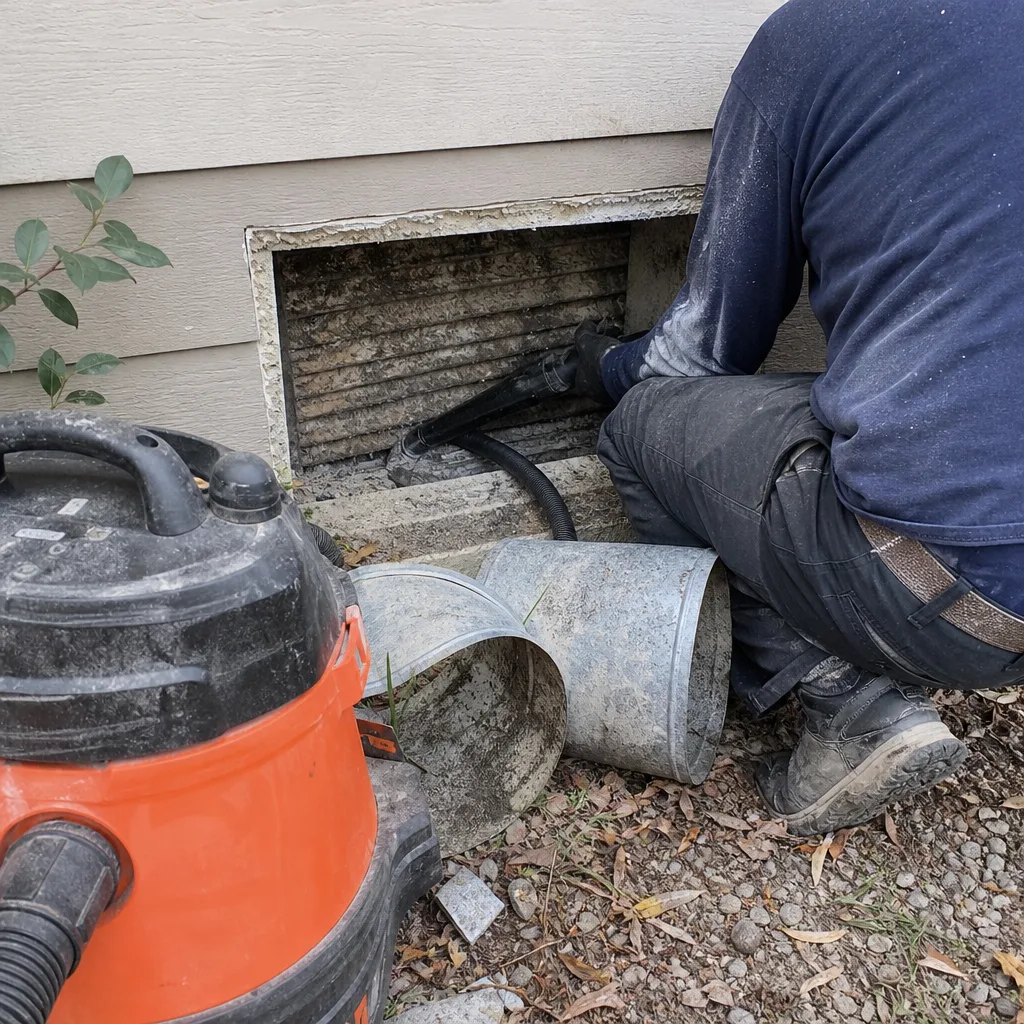 Before
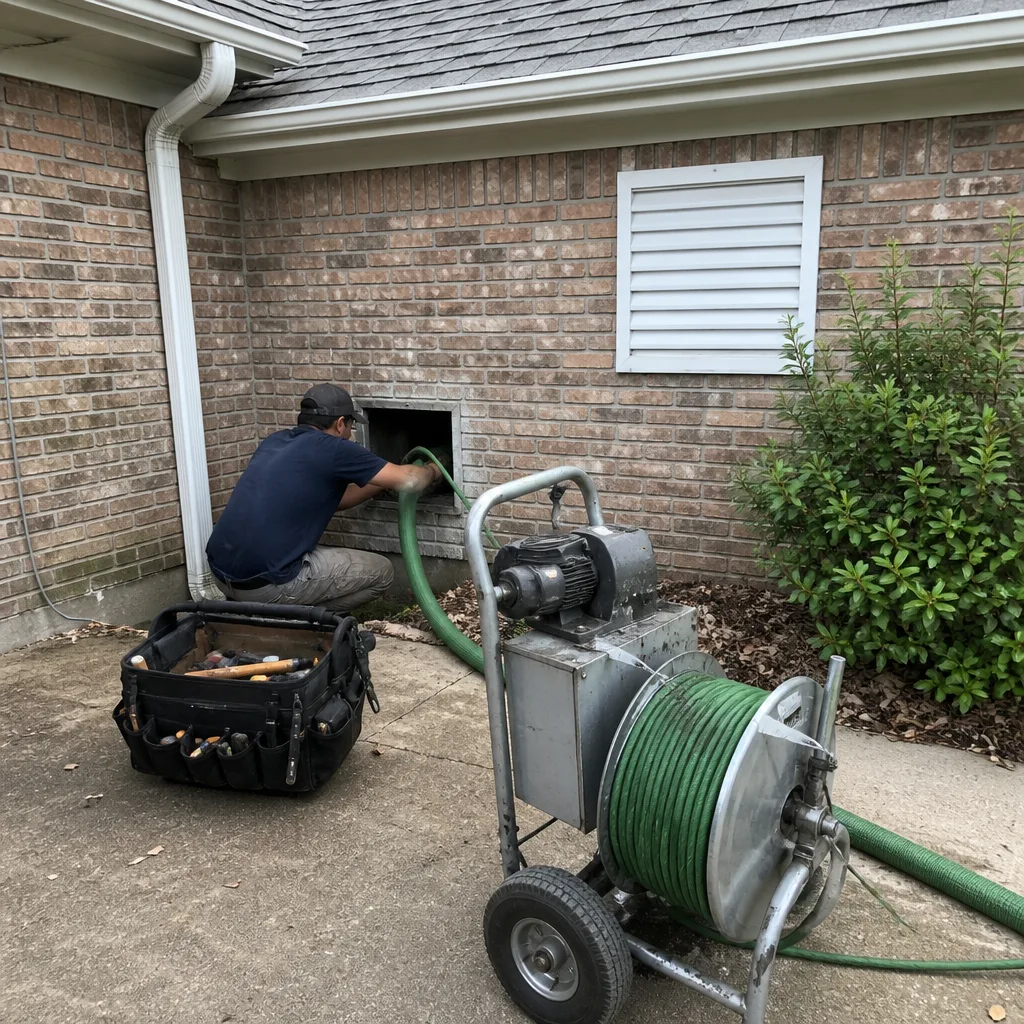 After
After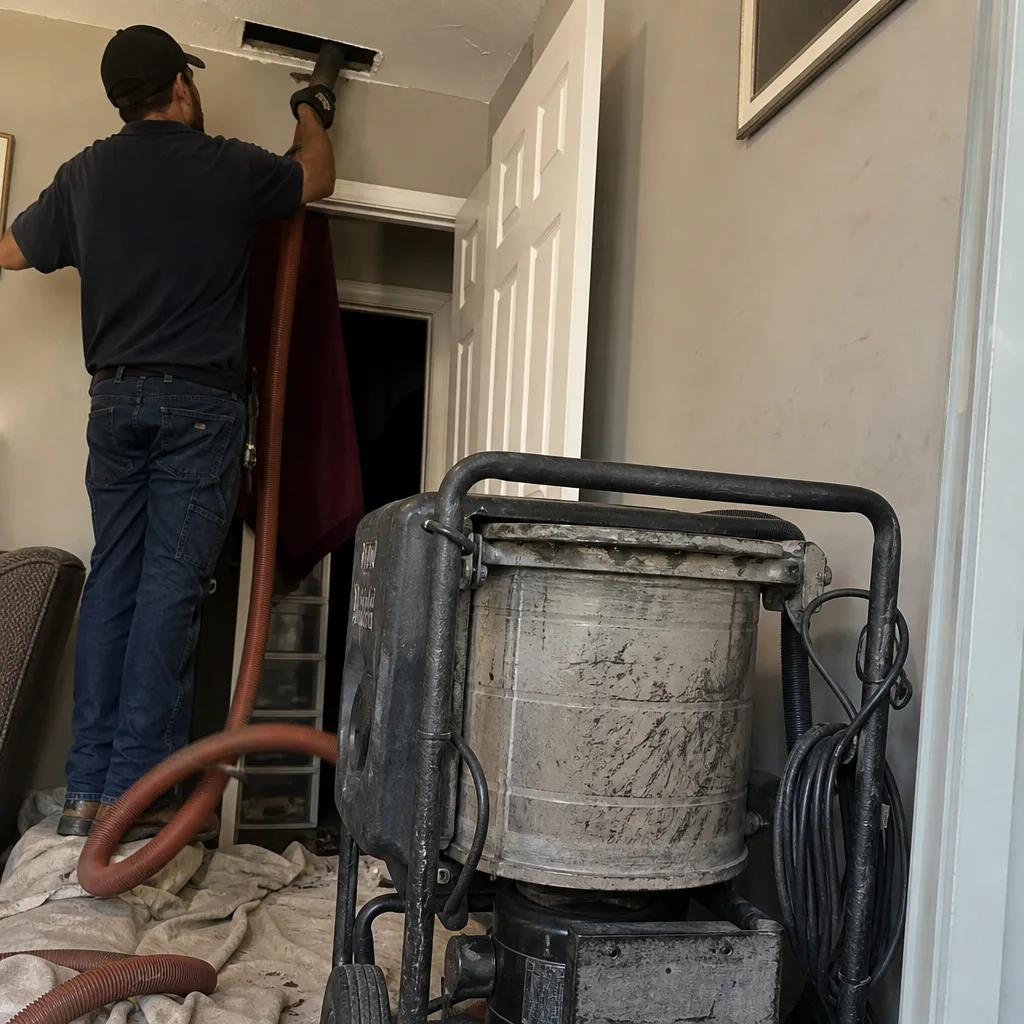 Before
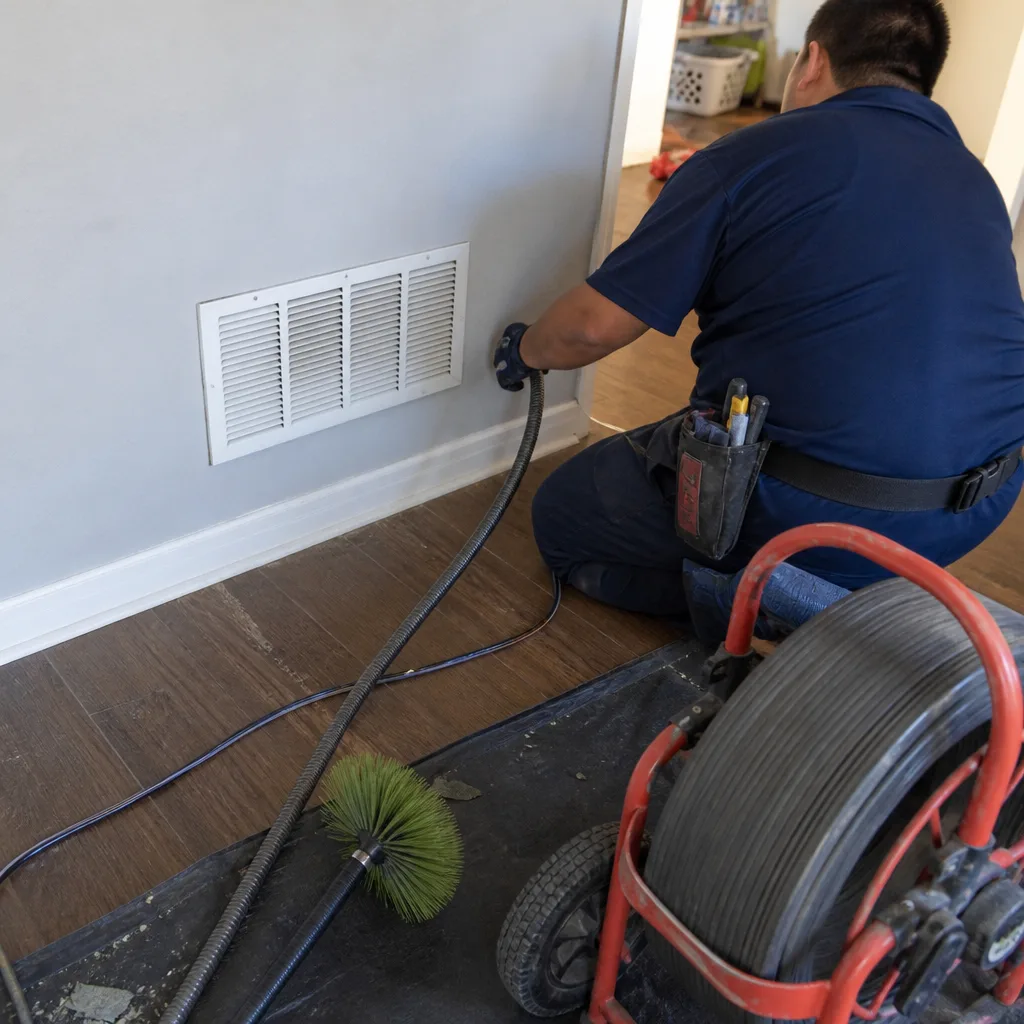 After
After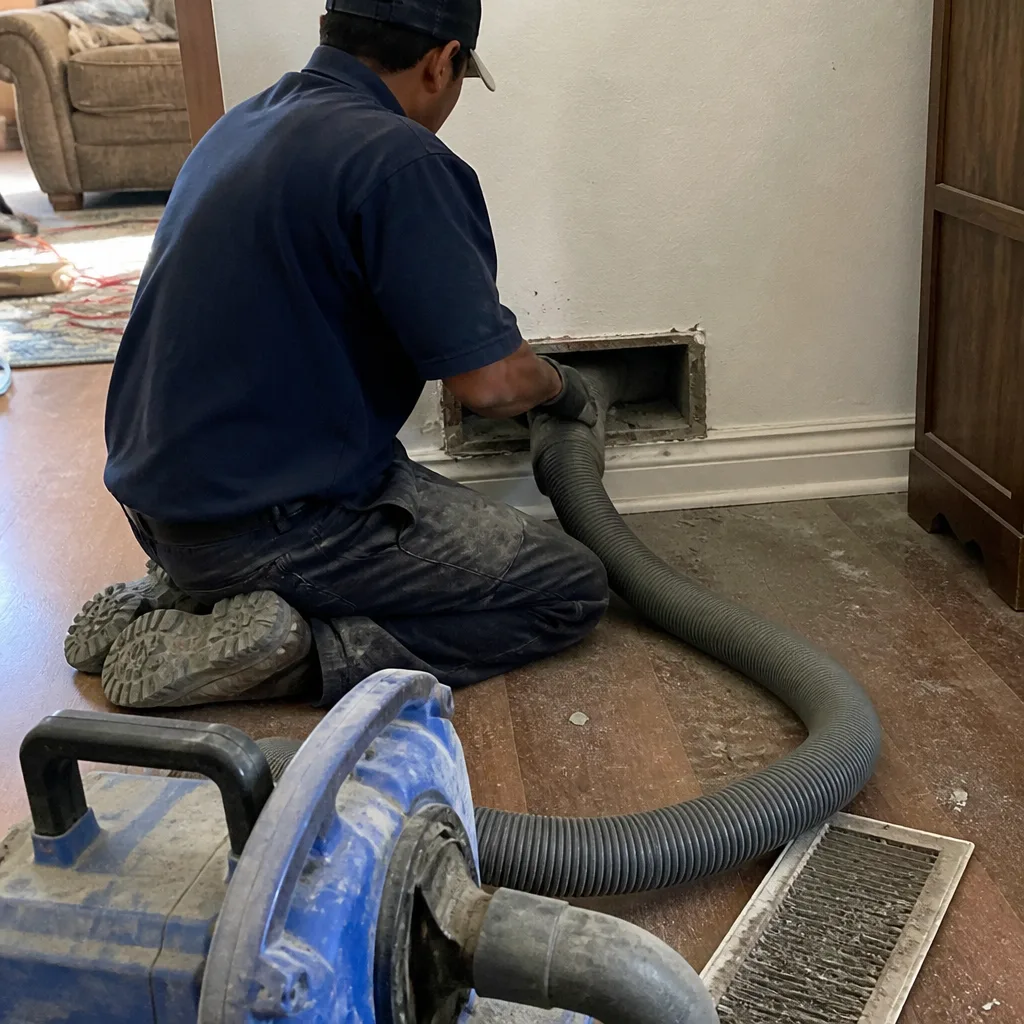 Before
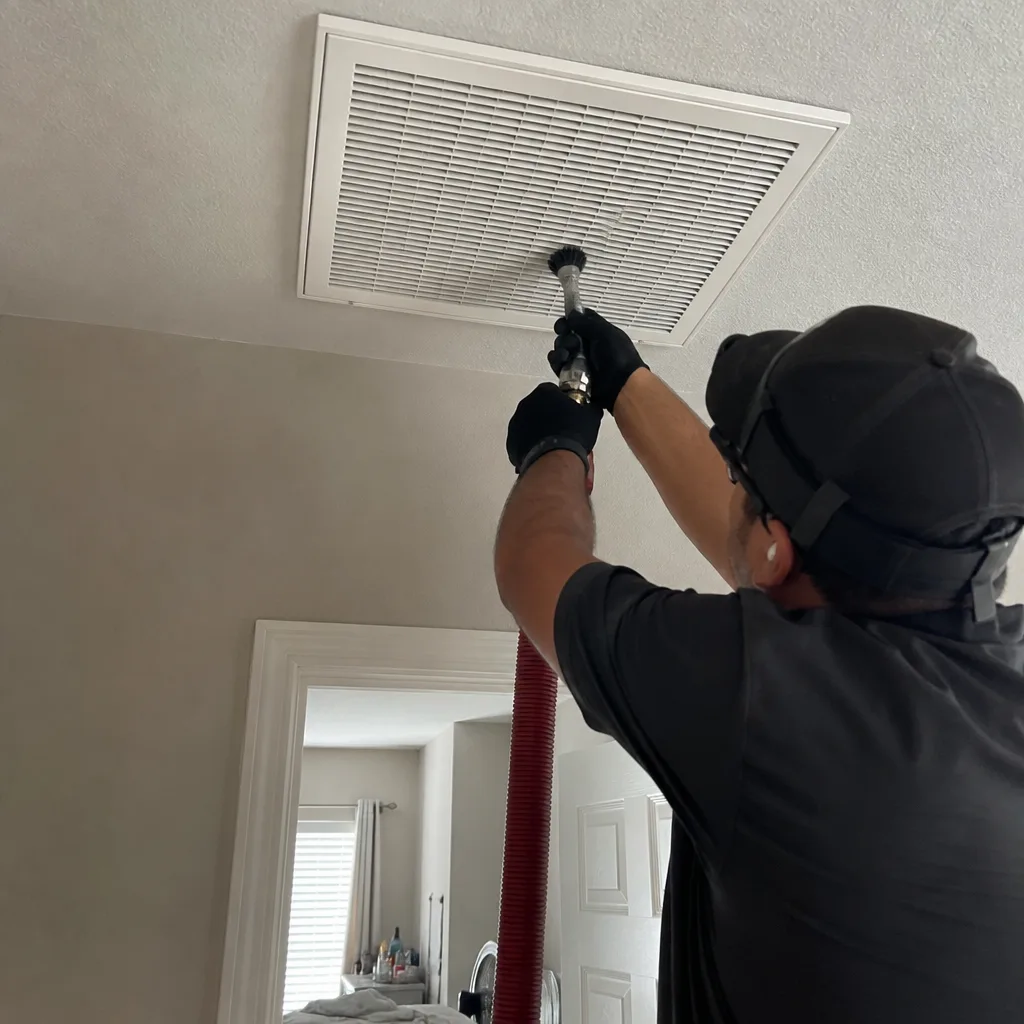 After
AfterReplacement Cost & What’s Included
Installed Rotobrush coil replacement in Houston runs $180 to $340 for most machines. The coil itself is typically $90 to $180 depending on whether you go OEM Rotobrush or Nikro aftermarket. Labor runs $90 to $160 and includes removing the old coil, cleaning the mounting seat and housing, installing the new coil with a fresh seal, and running a function test to confirm proper airflow and capture before we call the job done.
The range is driven by two things: which coil your machine takes and whether the mounting collar and seal also need replacement. On machines that have been through multiple Houston summers, the collar is often heat-warped and the old foam seal crumbles when we pull the coil. We’ll tell you before we order anything. The price you get in writing before work starts is the price you pay. No surprises at the door, no “while we’re in there” add-ons.
DIY or Call Us?
Replacing a Rotobrush coil is not a high-tension job like a garage door spring, but it’s also not a clean swap for a first-timer. The coil sits inside a housing that’s held together with thermal adhesive from the factory. Getting it apart without cracking the housing takes patience and the right tools. We’ve had Houston owners bring us machines that were knocked out of alignment by a DIY attempt, and the repair ended up costing more than the original coil replacement would have.
What you can safely do yourself: check the coil visually by removing the access panel, clean loose debris off the fins with a soft brush, and make note of the model number and coil diameter so you can order the right part. What you shouldn’t do: pry the coil out with a screwdriver, attempt to straighten bent fins with anything metal, or run the machine while the coil is removed “just to see if that’s the problem.” That last one pulls unfiltered air straight through the motor, and a Houston-sized dust load will kill it fast.
If you want it done once and done right, call us at (713) 936-5800. We’ll match the coil to your machine, install it, and run it through a full function test before it leaves the shop.
FAQs
Most Rotobrush coils last 3 to 5 years in Houston conditions. The humidity and attic heat here shorten that compared to drier climates. Coils on machines used weekly for commercial work wear out faster, often 18 to 24 months, because of the dust volume moving across the fins.
Sometimes yes, sometimes no. A coil with surface dust can be blown out and returned to service. A coil with baked-on residue from Houston humidity and years of fine particulates will not respond to cleaning, and attempting it usually drives the debris deeper into the fins. We’ll inspect it and tell you honestly which situation you have before recommending replacement.
Most Rotobrush coil replacements take under two hours from the time we start the teardown to the final function test. If your mounting collar needs replacement too, add 30 minutes. We stock common coils and collars for the aiR+ and BRH models, so there’s usually no waiting on parts.
We keep OEM Rotobrush coils and Nikro aftermarket equivalents in stock for the aiR+ and BRH series. We also stock parts for Lennox, Trane, and Carrier duct cleaning equipment. If you have a less common Rotobrush model, we can source the coil within two to three business days. Call (713) 936-5800 and we’ll check availability while you’re on the phone.
Roy Castellanos has been servicing Rotobrush equipment in Houston for over a decade. He grew up in Los Angeles and picked up his trade fundamentals at Los Angeles Trade-Technical College before going full time into air duct cleaning. Clean air doesn’t announce itself, you just stop noticing the problem.
Written by Roy Castellanos, Owner, Hollis Air Duct Houston at Hollis Air Duct Houston, serving Houston and nearby areas.