
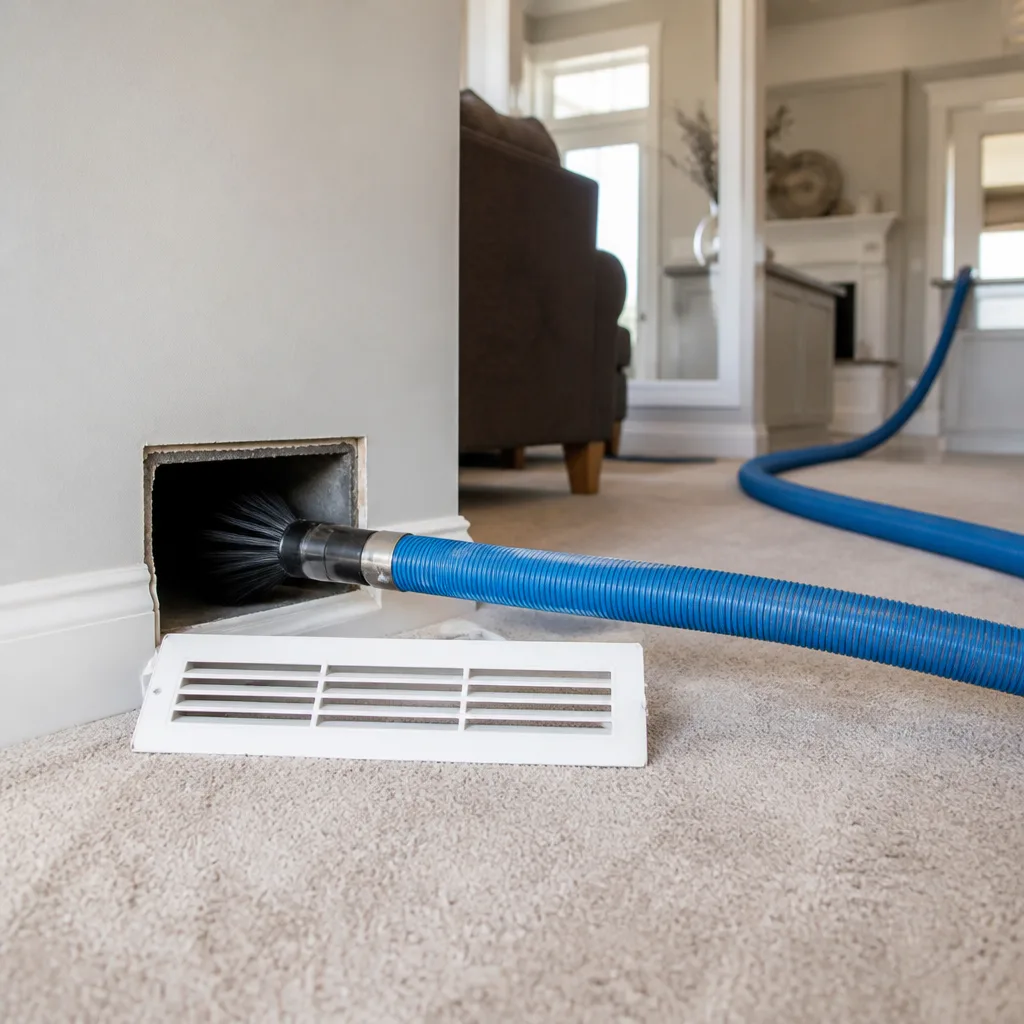
 Whole-home duct cleaning
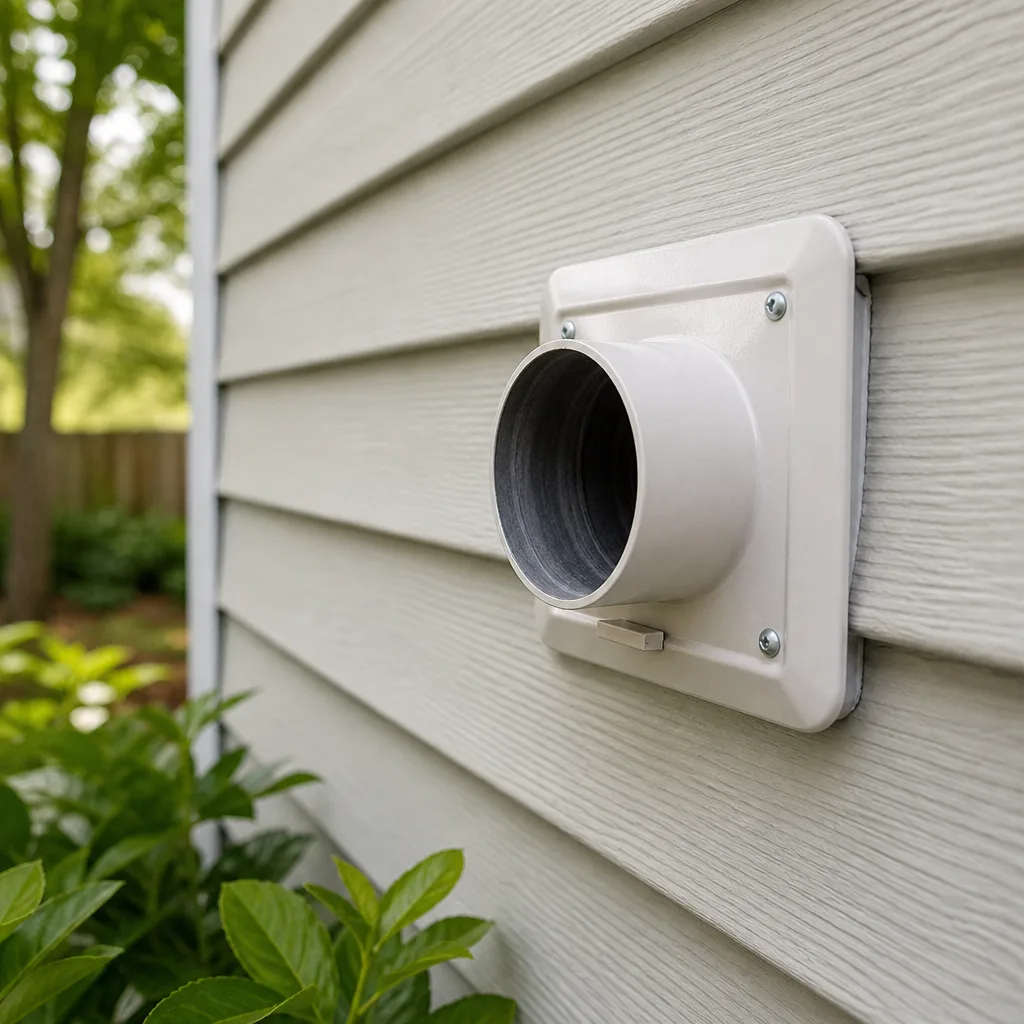 Dryer vent cleaning
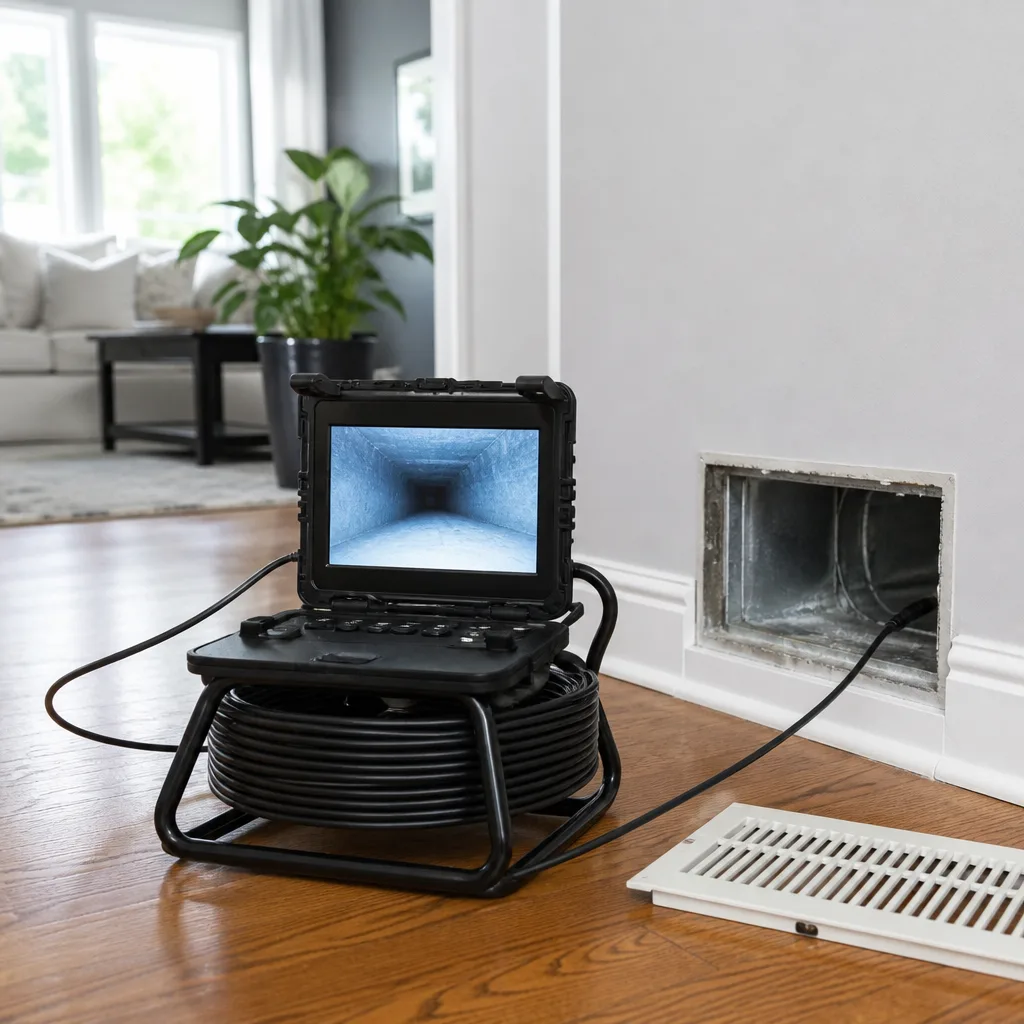 Camera inspection
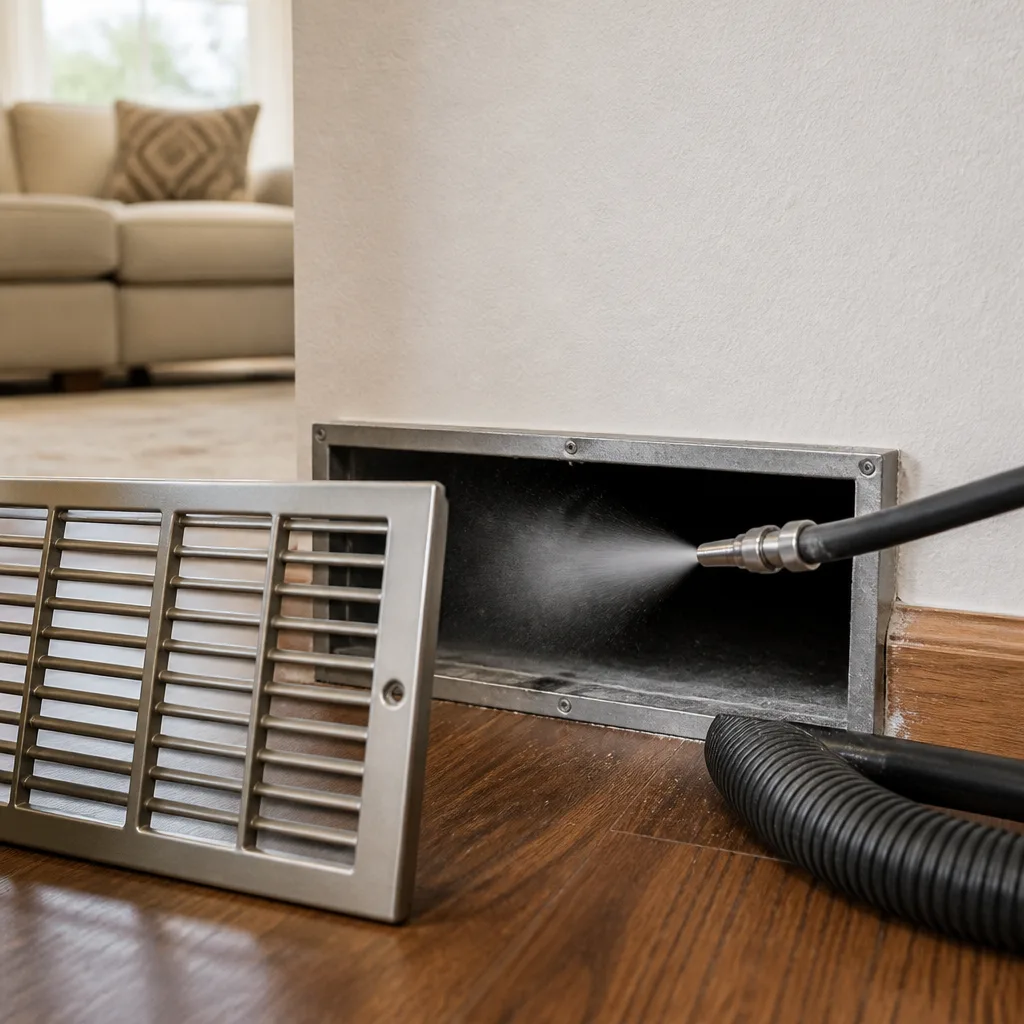 Sanitizing & deodorizing
Whole-system duct and dryer vent check with before-and-after photos - you see exactly what came out of your vents
That "$99 whole-house special" is a bait ad - the real number appears once they are in your hallway, or the "clean" is a shop-vac at the register. We photograph the inside of your ducts before and after instead.
Nikro Vent Sanitizing: The Houston Owner’s Guide
We stock and install Nikro-compatible vent sanitizing parts and equipment across Houston, with most complete vent sanitizing jobs running between $350 and $600 depending on system size, duct accessibility, and how long it’s been since the last service. Most failed Nikro sanitizing components don’t actually fail completely – they degrade, which means the sanitizer runs but doesn’t distribute properly, or the nozzle clogs and you get weak output. You’ll usually notice it as a persistent musty smell that comes back within days of cleaning, or a visible buildup around vent registers that returns faster than it should. In Houston’s humidity, a Nikro sanitizing system that isn’t working at full output leaves microbial growth a standing invitation, especially in homes where the AC runs ten months out of the year.
If you’ve got a Nikro unit that’s underperforming, or you want vent sanitizing done right with equipment matched to the job, call (713) 936-5800 and we’ll get you squared away.
Which Nikro Models This Applies To
Nikro builds vent sanitizing equipment across several lines, and the part you need depends on which system you’re running. The most common units we see in Houston homes and light commercial spaces are the Nikro fogger-style sanitizers and the negative-air units with integrated sanitizing capability. If your unit has a manual pump-up sprayer style wand, the parts are simpler: nozzle tips, gaskets, and hose fittings. If it’s an electric fogger or misting unit, you’re typically looking at replaceable atomizer heads, seals, and occasionally pump assemblies.
Here’s the compatibility detail most owners miss: Nikro has changed nozzle threading across model generations. An older unit from the mid-2000s won’t accept a current-production atomizer without an adapter, and that adapter is not always included with aftermarket kits. The model plate on the side of the machine tells you what you need – look for the serial prefix and match it. If you’re not sure, bring us a photo and we’ll identify it before you spend a dollar. On the OEM-versus-aftermarket question: for Nikro sanitizing parts specifically, we stock both. OEM is the safe bet for atomizer and pump internals; quality aftermarket gaskets and hoses are usually fine and cost less. We’ll tell you which makes sense for your unit rather than defaulting to the expensive option.
One more thing: Hollis Air Duct Houston is an independent service provider. We’re not affiliated with Nikro, but we work on their equipment daily and stock the parts that actually fail in the field.
Styles & brands we work with
Signs Your Nikro Vent Sanitizing Is Failing
- Musty smell returns within a week of cleaning. The sanitizer is either not atomizing correctly or not reaching far enough into the duct runs. This usually points to a worn atomizer head or a clogged nozzle that’s cutting effective coverage by more than half.
- Visible residue around registers that darkens fast. Houston’s humidity means condensation at the register face. A working Nikro system slows mold regrowth; a failing one lets it take hold in days, not months.
- Uneven sanitizer distribution – some rooms smell treated, others don’t. This is typically a pressure drop in the line or a partially blocked tip. The sanitizer is pooling in the nearest runs and never reaching the far end of the house.
- The unit runs but output is thin or sputtering. Pump seals degrade over time, and in a Houston attic where temperatures hit 140 degrees in August, rubber and silicone break down faster than manufacturer ratings suggest. Sputtering means air is entering the line somewhere.
- You’re using more sanitizer product for the same coverage. When atomization quality drops, owners compensate by running the unit longer or using more product. That’s the machine telling you something’s worn, not that you need a stronger chemical.
See the difference
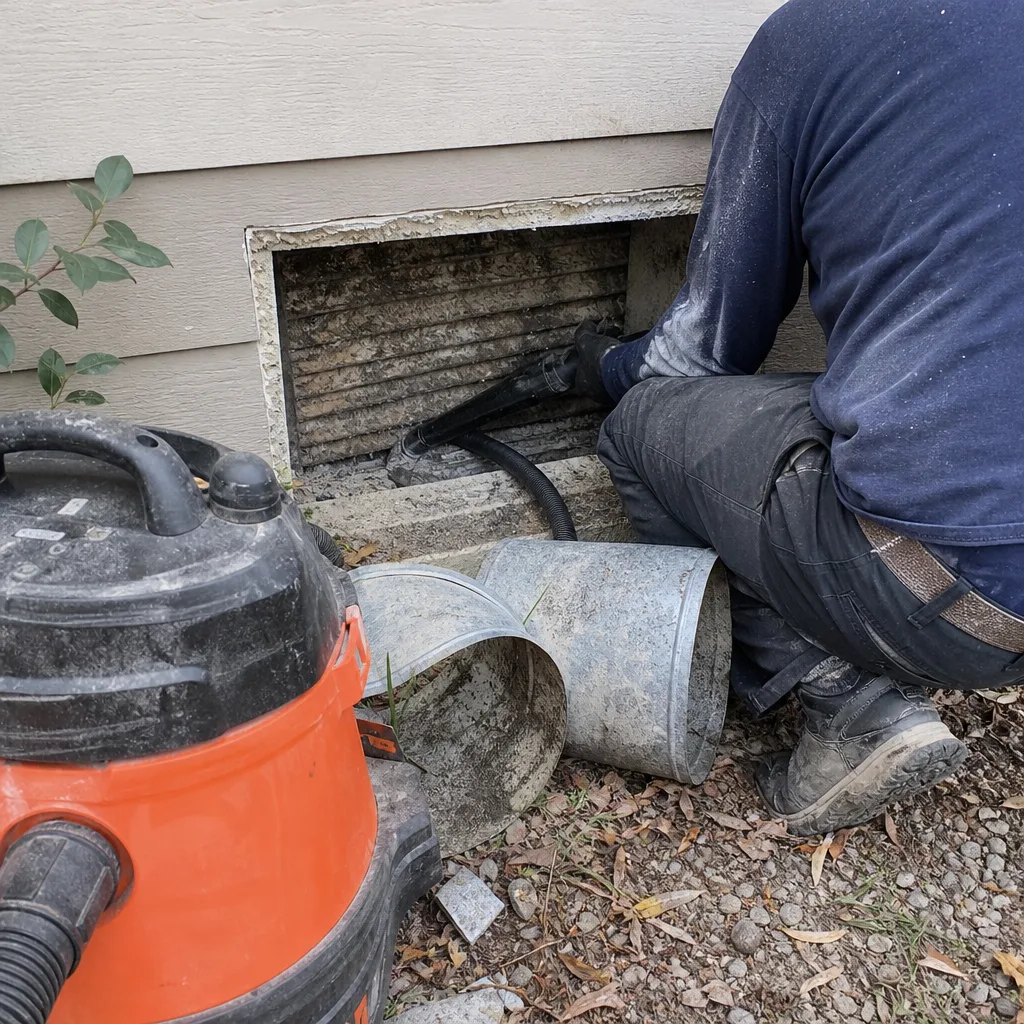 Before
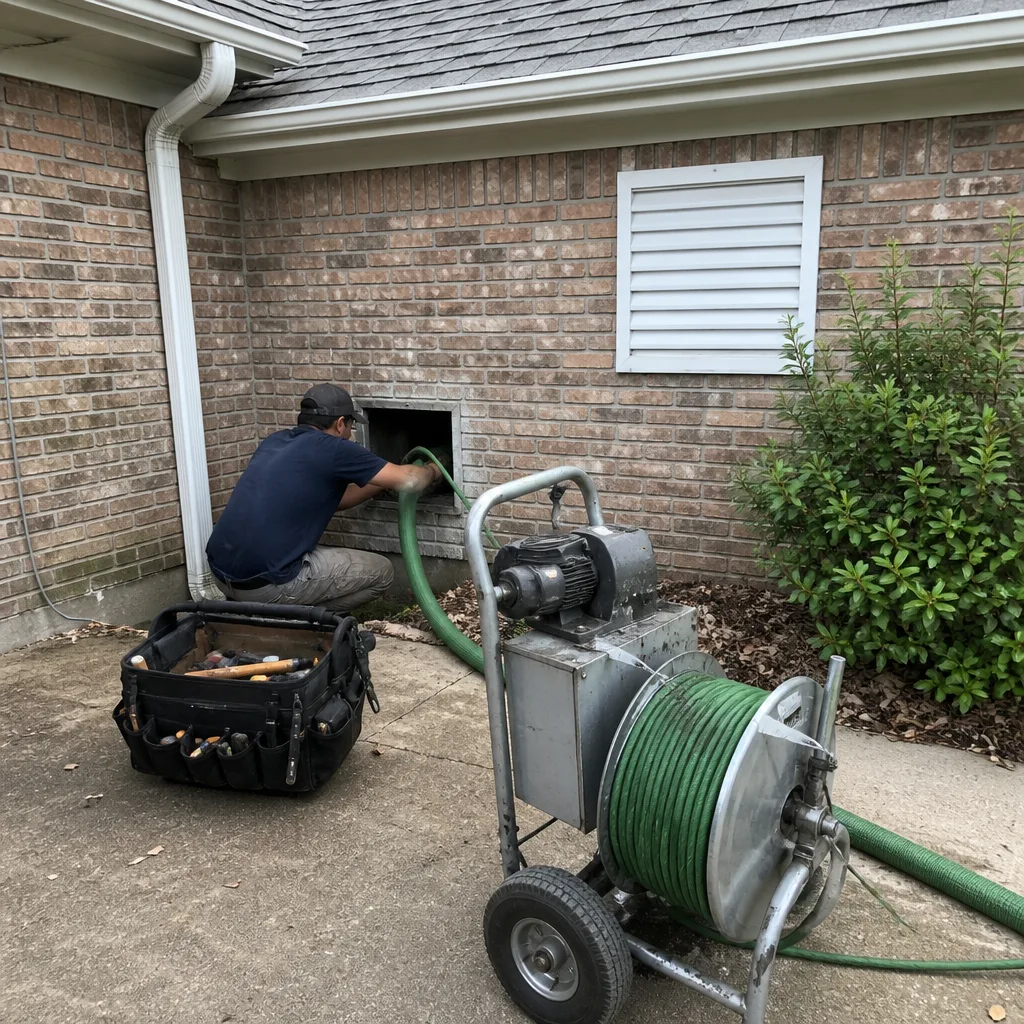 After
After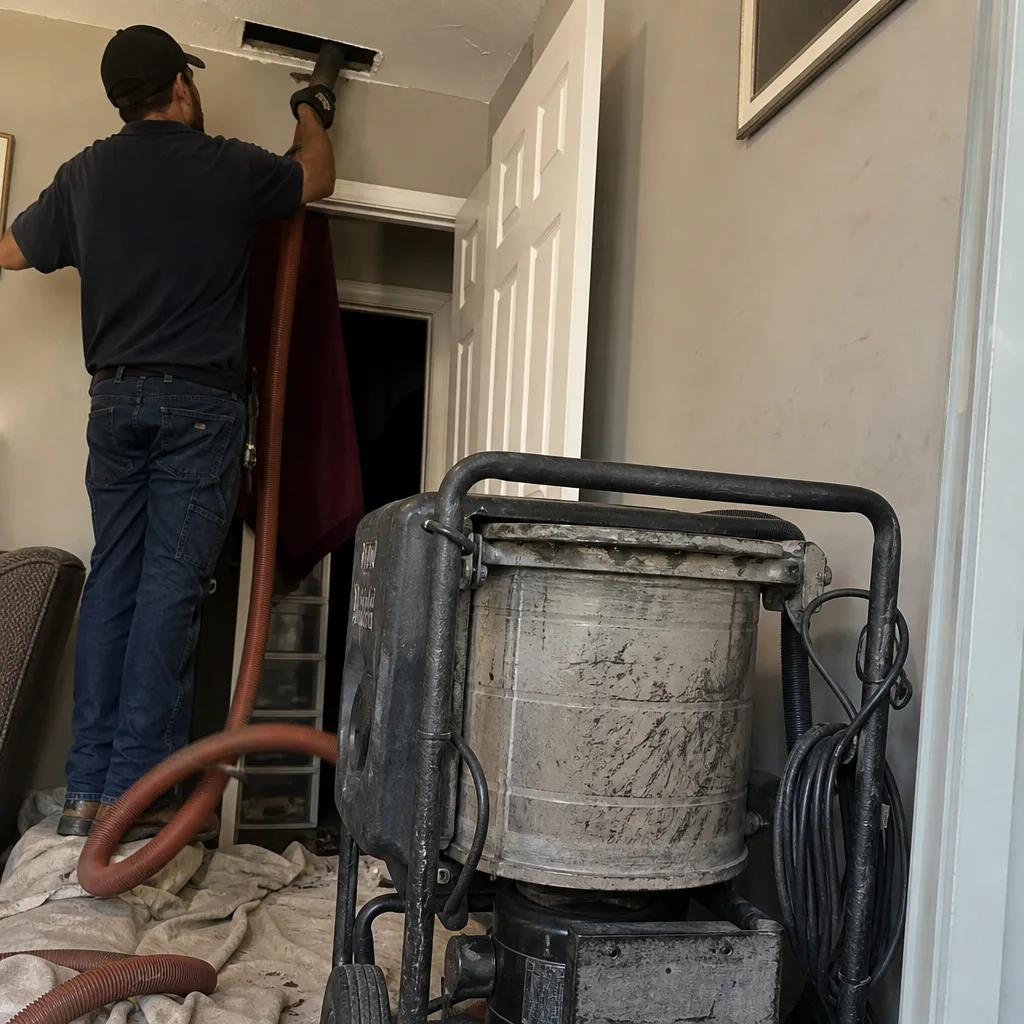 Before
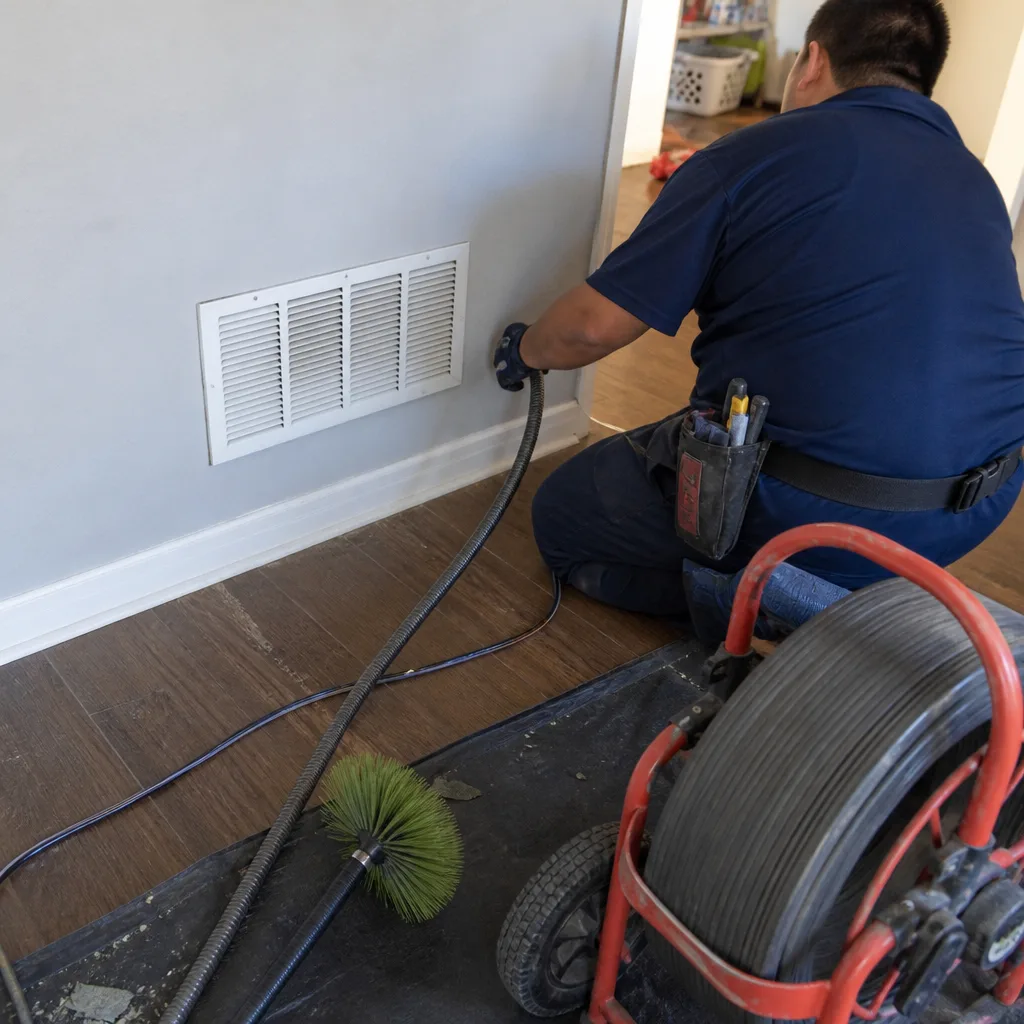 After
After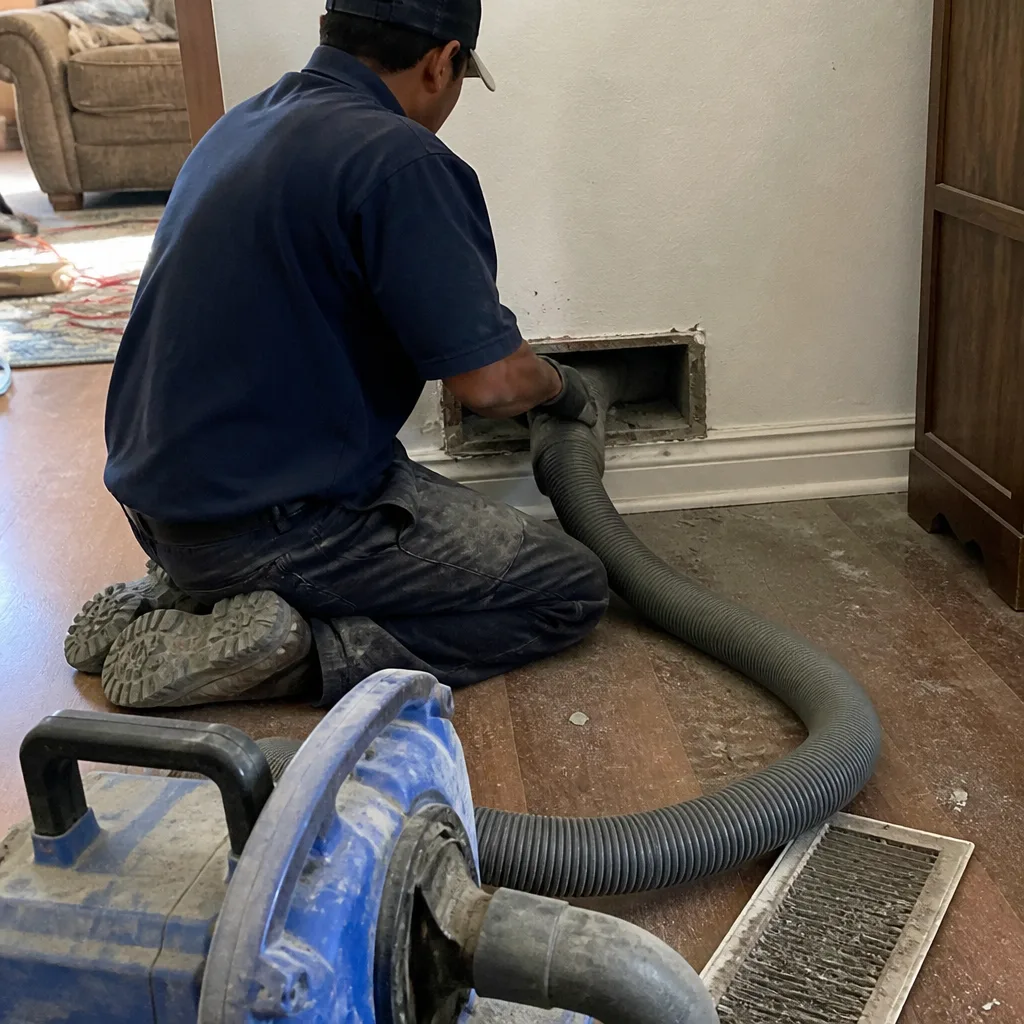 Before
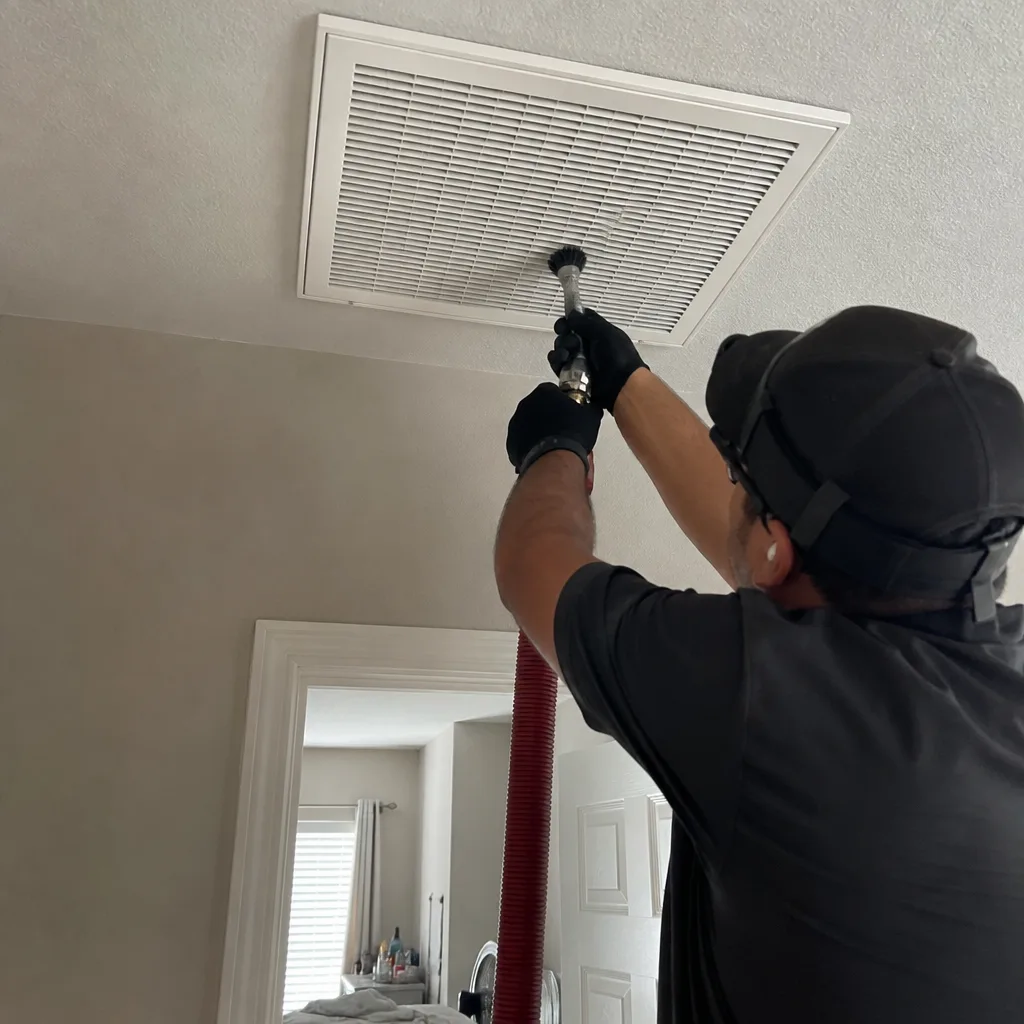 After
AfterReplacement Cost & What’s Included
For Houston homeowners, vent sanitizing service with Nikro-compatible equipment typically lands between $350 and $600 for a full system treatment on a standard single-family home, with larger homes or homes with multiple AC systems running toward the higher end. Parts-only replacement – a new atomizer head, gasket set, or hose assembly – generally runs $40 to $180 depending on the component and whether we’re installing OEM or a proven aftermarket equivalent. You’ll get the exact price in writing before we touch anything. No surprises after the work starts.
What’s included in every vent sanitizing job: inspection of the existing Nikro components, replacement of any worn seals or nozzles we find, full system sanitizing using the negative-air method where the contaminated air is pulled out while sanitizer is introduced, and a written record of exactly what was done. The 365-Day Done Right Promise covers the work for a full year – if the sanitizing fails or the parts we installed fail within twelve months, we come back and make it right at no charge, including the second visit. That’s in writing, every time.
Call (713) 936-5800 for an exact quote on your system. Estimates are free, and you’ll know the number before you commit.
DIY or Call Us?
There’s a narrow band of things an owner can safely check. You can visually inspect the nozzle tip for obvious blockage, confirm the unit is drawing power, and check hoses for visible cracks or loose fittings. Those checks take ten minutes and cost nothing. If you find a cracked hose or a nozzle that’s clearly clogged, replacing those specific parts is within reach for a careful owner with the right part number in hand.
Where DIY goes wrong is the internal pump assembly and atomizer calibration. Opening the pump housing on a Nikro unit means dealing with seals under tension and small components that are easy to misalign. A misaligned atomizer doesn’t just waste product – it can send sanitizer mist into places it shouldn’t go, including back toward the unit’s electrical components. And in a Houston attic in July, you don’t want to learn that lesson the hard way. We replace these parts on a regular basis and have the correct parts on the truck. Frankly, by the time you’ve sourced the right part and figured out the threading, we’d already have it installed.
If you’d rather have it done right the first time, call (713) 936-5800. We’ll match the part to your Nikro model, install it, and stand behind the work for a year.
FAQs
Plan on 3 to 5 years for atomizer heads and pump seals in Houston’s climate, which is shorter than manufacturer ratings because attic heat accelerates rubber and silicone degradation. If your unit lives in a garage or conditioned space, you may get another 2 to 3 years. Regular inspection catches wear before it becomes a failure. Call (713) 936-5800 if your unit is over three years old and you’re noticing weaker output.
Gaskets and hoses can sometimes be reconditioned with a proper cleaning, but atomizer heads and pump seals are wear items and should be replaced, not patched. The cost difference is small enough that a repair rarely makes sense – a failed seal that’s “fixed” usually fails again within months. We’ll give you the honest call on yours, and the 365-Day Done Right Promise covers whatever we install.
A standard single-family home in Houston takes between 2 and 4 hours from arrival to cleanup, including inspection, any part replacement, and the full sanitizing pass. Larger homes or multiple AC systems add time. You’ll know the schedule and the price before we start, and the site is left clean when we leave. Call (713) 936-5800 to schedule.
Yes. We carry the most commonly replaced Nikro sanitizing components – atomizer heads, gasket sets, hose assemblies, and nozzle tips – on our service vehicles in Houston. If your unit uses a less common part, we can typically source it within a few business days and return to complete the job. We’ll tell you upfront which situation applies to your model.
If you’ve got a Nikro unit that’s not performing the way it should, or you want vent sanitizing done with equipment that actually matches the job, call (713) 936-5800 today. You’ll get a straight answer, a written price, and work that’s covered for a full year. That’s how Roy Castellanos and the Hollis Air Duct Houston crew run every job – including the ones where the attic dust is older than the technician.
Written by Roy Castellanos, Owner, Hollis Air Duct Houston at Hollis Air Duct Houston, serving Houston and nearby areas.