
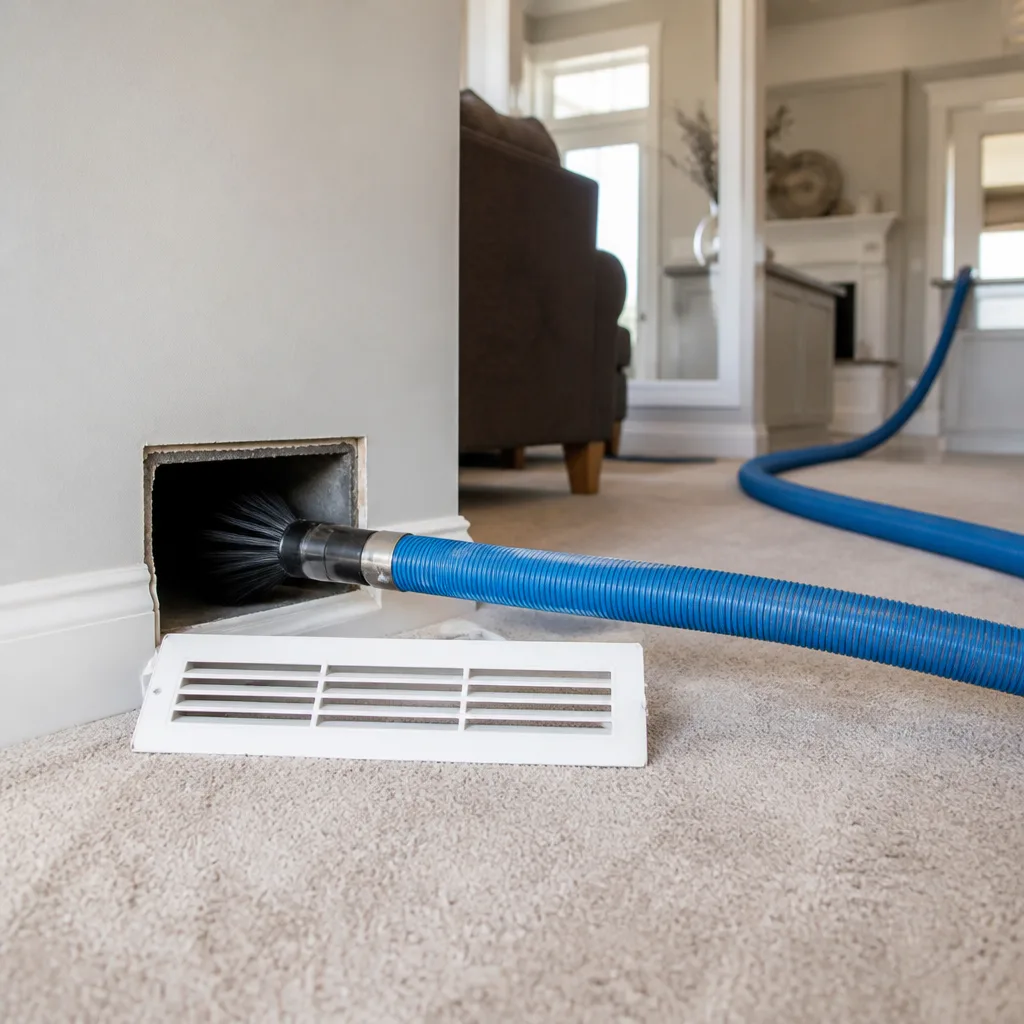
 Whole-home duct cleaning
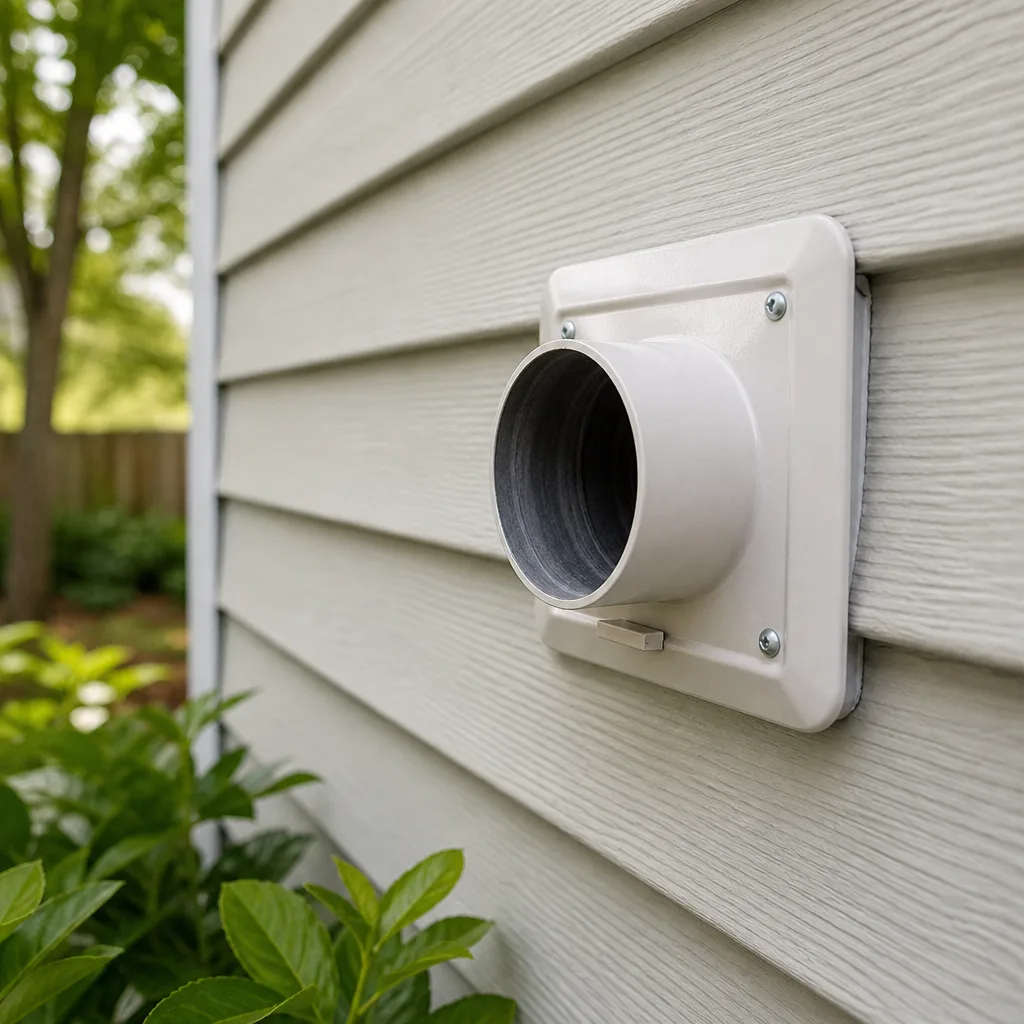 Dryer vent cleaning
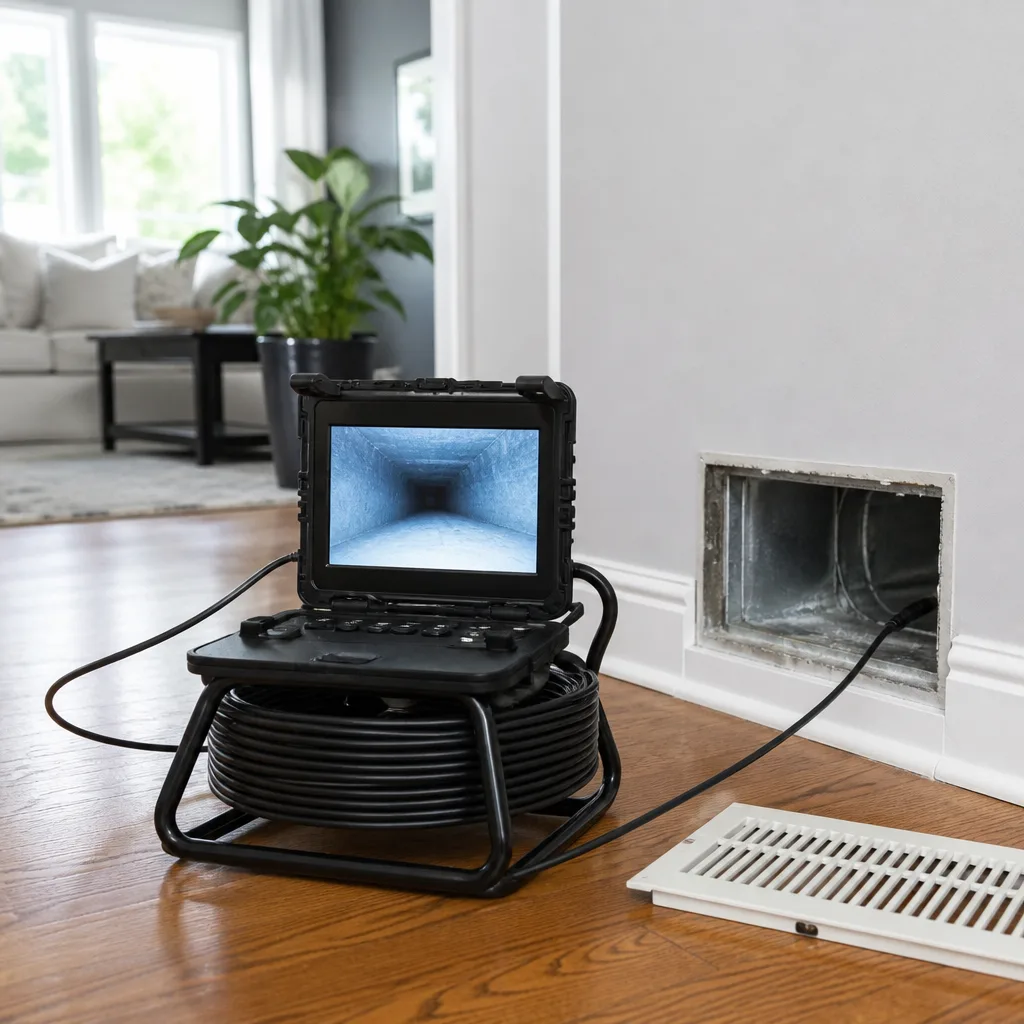 Camera inspection
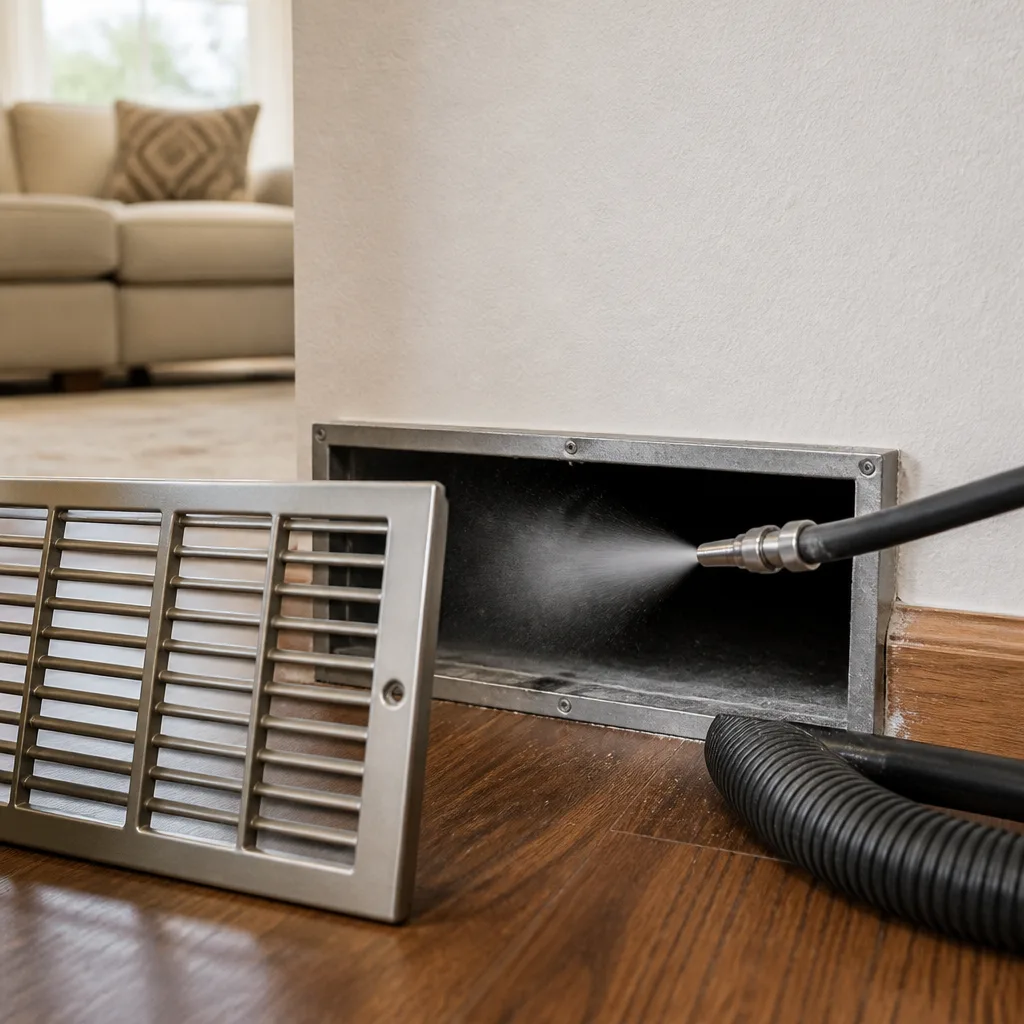 Sanitizing & deodorizing
Whole-system duct and dryer vent check with before-and-after photos - you see exactly what came out of your vents
That "$99 whole-house special" is a bait ad - the real number appears once they are in your hallway, or the "clean" is a shop-vac at the register. We photograph the inside of your ducts before and after instead.
Honeywell Register & Grille Cleaning: The Houston Owner’s Guide
Honeywell register and grille cleaning in Houston typically runs between $85 and $220 for a full-home service, with most jobs completed in 60 to 90 minutes. We stock Honeywell-compatible registers and grilles on our trucks and can often handle a cleaning or replacement the same week you call. Most Houston homeowners realize they have a problem when one room stays stuffy no matter how they adjust the thermostat, or when they pull a register off the wall and find a gray felt mat of dust and pet hair clinging to the back side.
Here’s the thing about Honeywell registers and grilles: they’re built better than the builder-grade stamped steel you’ll find in most Houston track homes, but they still live in the same dusty environment. Houston’s humidity turns ordinary household dust into something closer to paste, and that paste clings to register fins, damper blades, and the interior of the boot. Once that happens, airflow drops, your system works harder, and the room never quite reaches the temperature you set. Roy Castellanos has pulled registers out of Energy Corridor homes that hadn’t been cleaned since the house was framed. The register wasn’t the problem. It was what had grown on it.
Which Honeywell Models This Applies To
Honeywell makes three register lines we see regularly in Houston homes: the standard stamped-steel series (usually 4×10, 4×12, or 6×12), the adjustable curved-blade series, and the heavier commercial-style all-aluminum registers. Each has its own cleaning profile. Stamped steel traps dust in the corners where the damper hinges meet the frame. Curved-blade registers hide buildup on the underside of each blade. Aluminum registers resist rust better in Houston’s humidity but show dust faster because the finish is lighter.
Before you buy a replacement, pull the old register and look at two things: the stamped size on the back face, and whether the damper is a slide lever or a rolling blade. Honeywell registers are size-stamped, and that stamp matters more than the brand. A 4×10 is a 4×10 whether it says Honeywell, Lennox, or Trane on it. We stock OEM Honeywell registers for customers who want an exact match, and quality aftermarket equivalents for those who’d rather save $8 to $15 per register. Both fit. Both last. The aftermarket just doesn’t carry the Honeywell logo on the face.
One compatibility gotcha: Honeywell commercial-series registers have a deeper frame profile than residential models. If you have a shallow boot in an older Houston home, a commercial register won’t seat flush. Measure the depth of the boot before you buy. It’s the difference between a clean install and a register that rattles every time the blower kicks on.
Styles & brands we work with
Signs Your Honeywell Register & Grille Cleaning Is Failing
Here’s what we see on service calls across Houston, from Katy to Kingwood to Pearland:
- One room never reaches temperature. The register isn’t moving air the way it used to because dust and Houston humidity have built a felt mat on the back of the damper. The fix is a pull, a clean, and sometimes a damper replacement.
- Dark streaks are visible on the wall or ceiling around the register. That’s not smoke damage. It’s particulates riding the air stream and depositing on the wall surface. The register is concentrating the airflow change, and the grime is showing you where.
- The damper lever is stiff or won’t move at all. Houston’s humidity corrodes the pivot points on stamped-steel dampers. Once the mechanism seizes, you can’t balance that room anymore.
- You hear a whistle or high-pitched noise when the system runs. A partially blocked register raises air velocity through the remaining open slots. The register isn’t the problem; it’s what’s stuck in it.
- You can see visible dust or debris on the register face within days of dusting. That means the interior ductwork is cycling dust back into the room, and the register is just where it lands first.
None of these symptoms mean you need a new system. They mean the register needs to come out, get cleaned, and go back in the right way.
See the difference
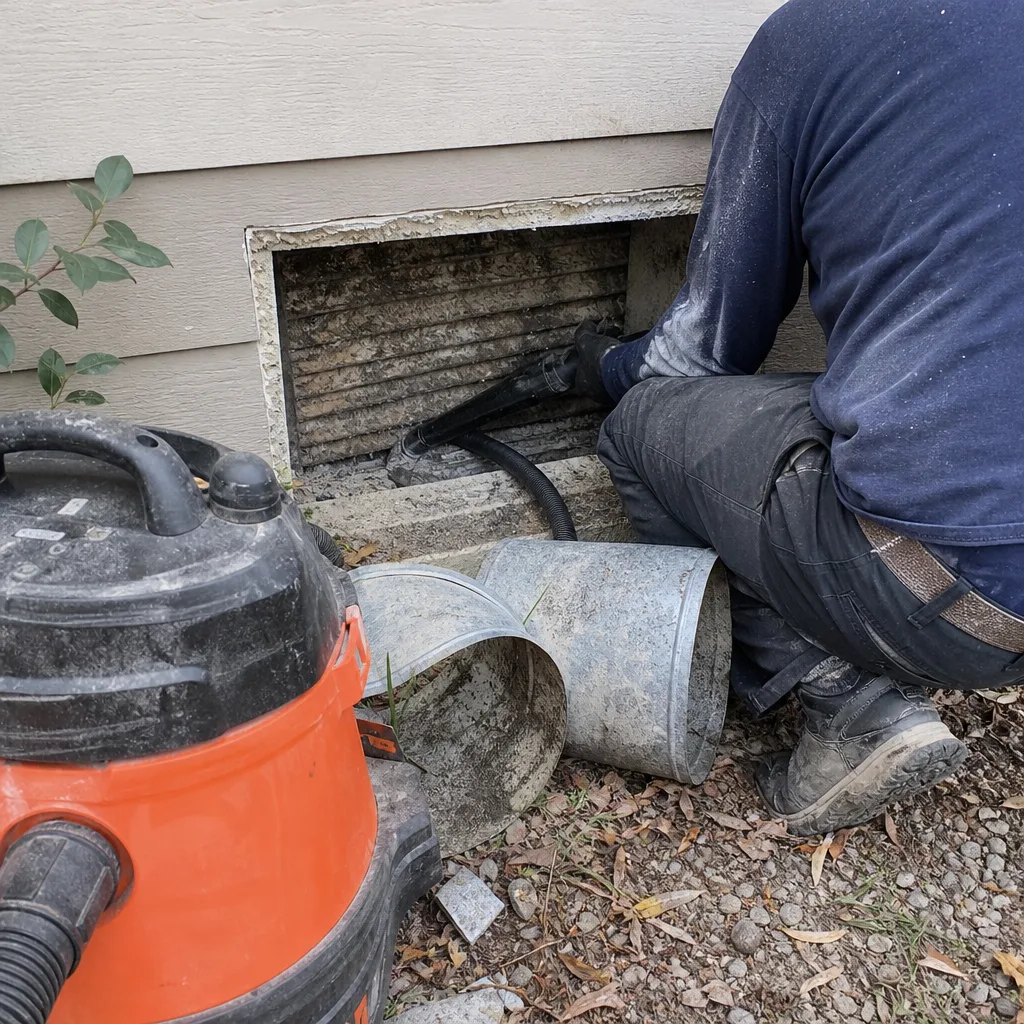 Before
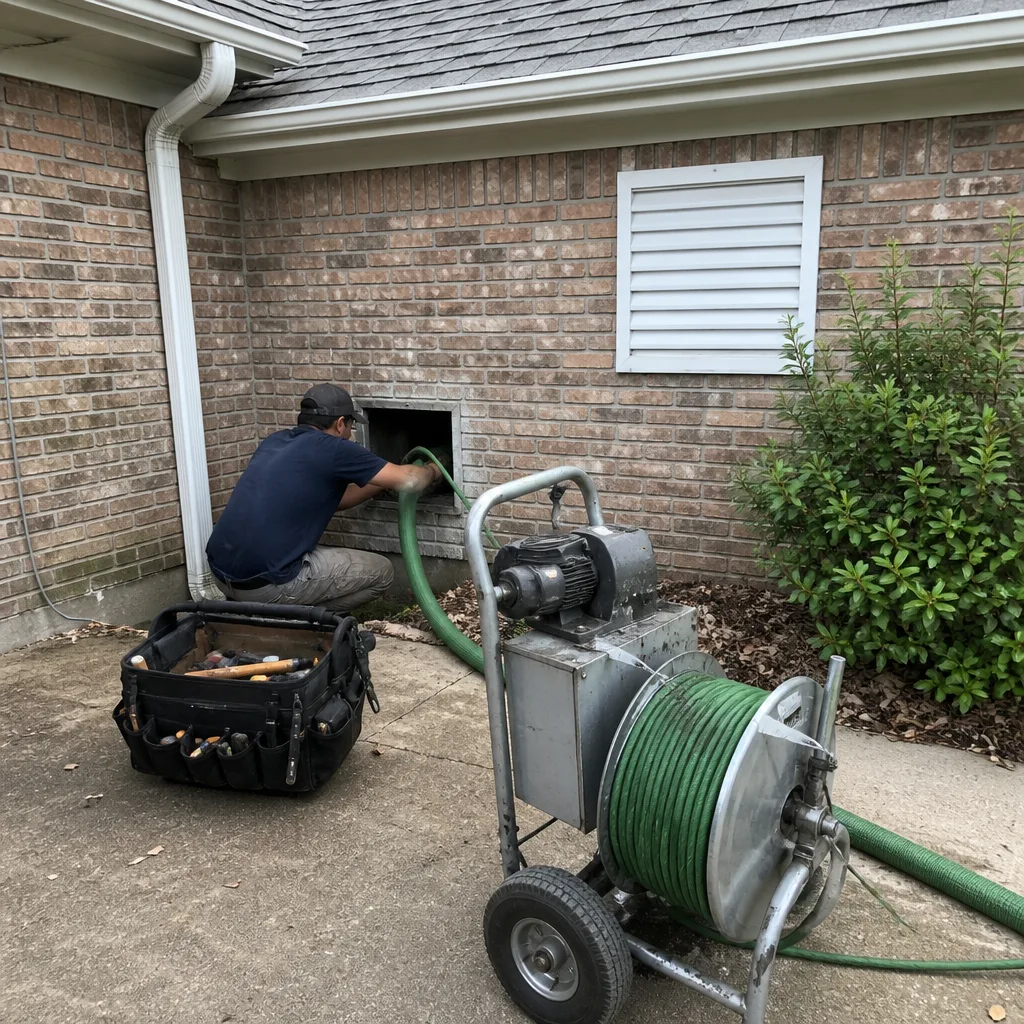 After
After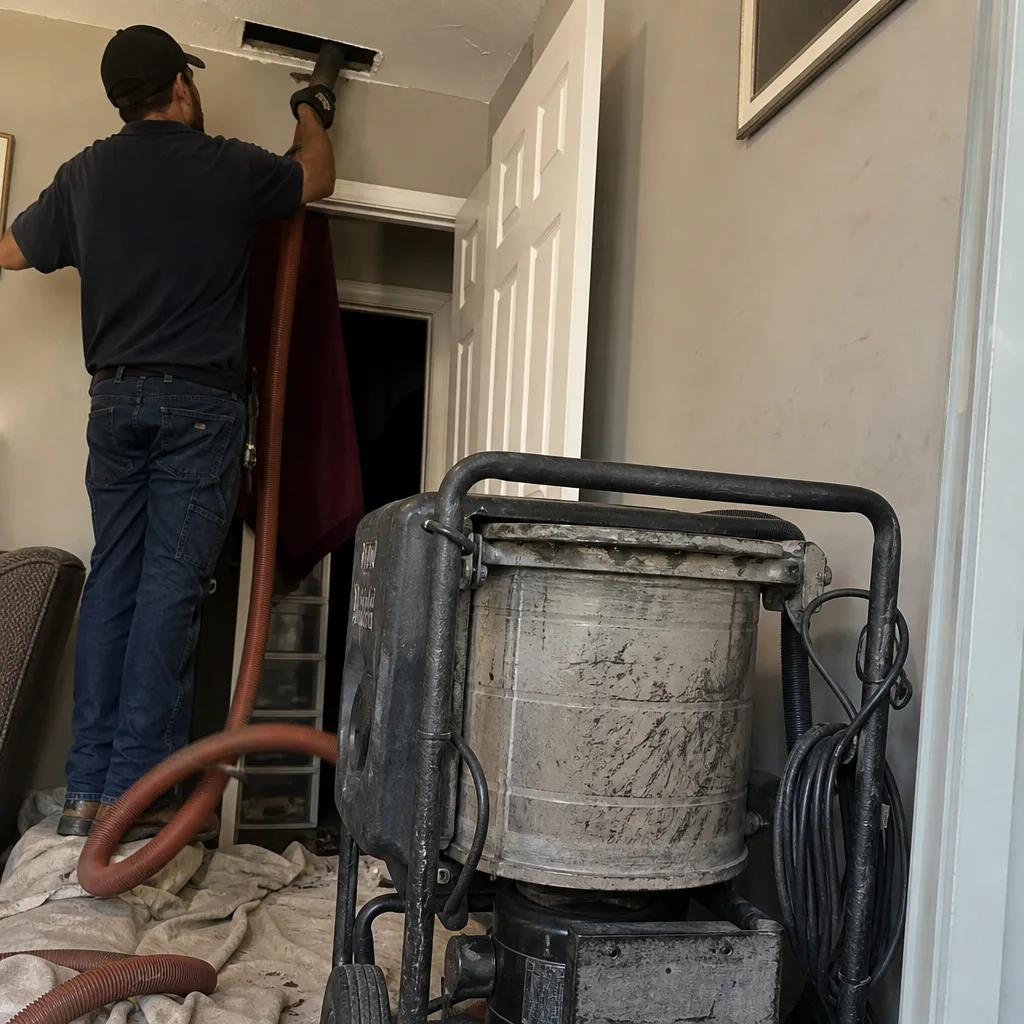 Before
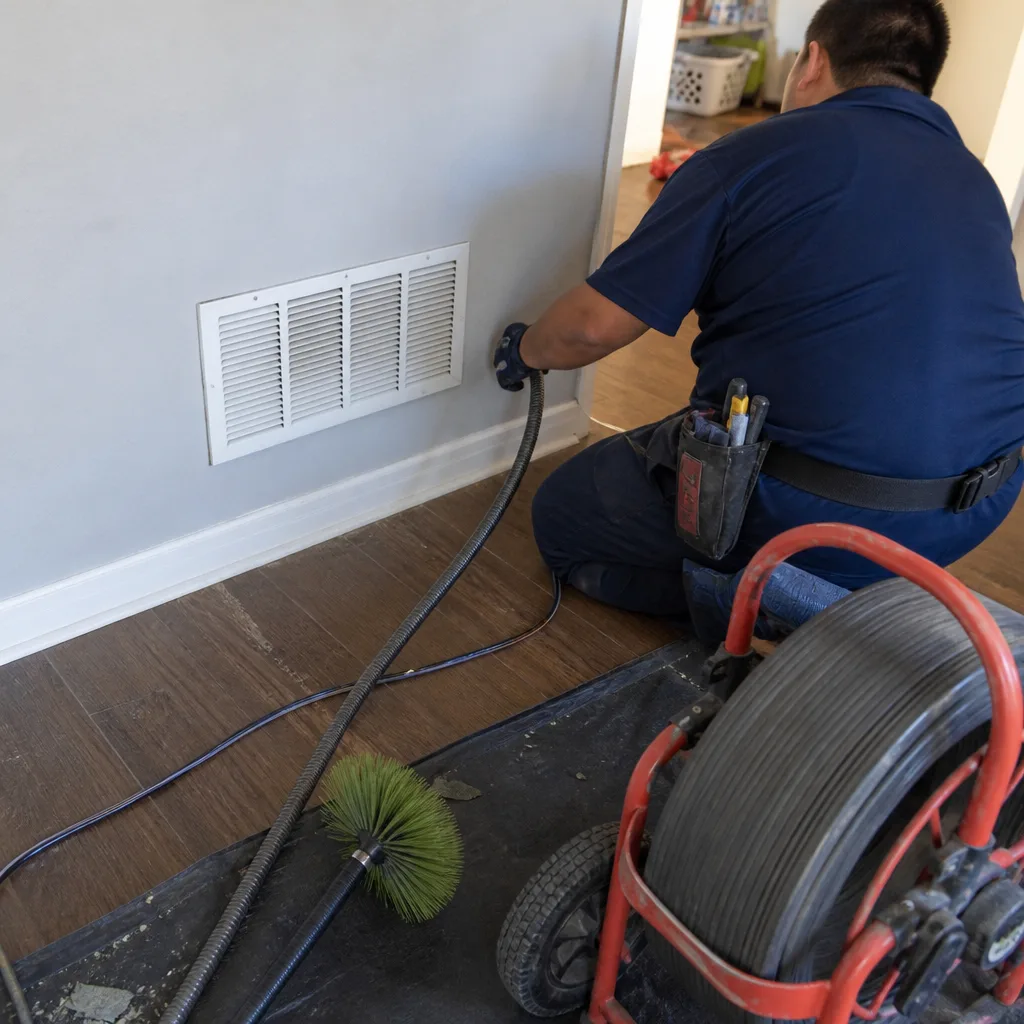 After
After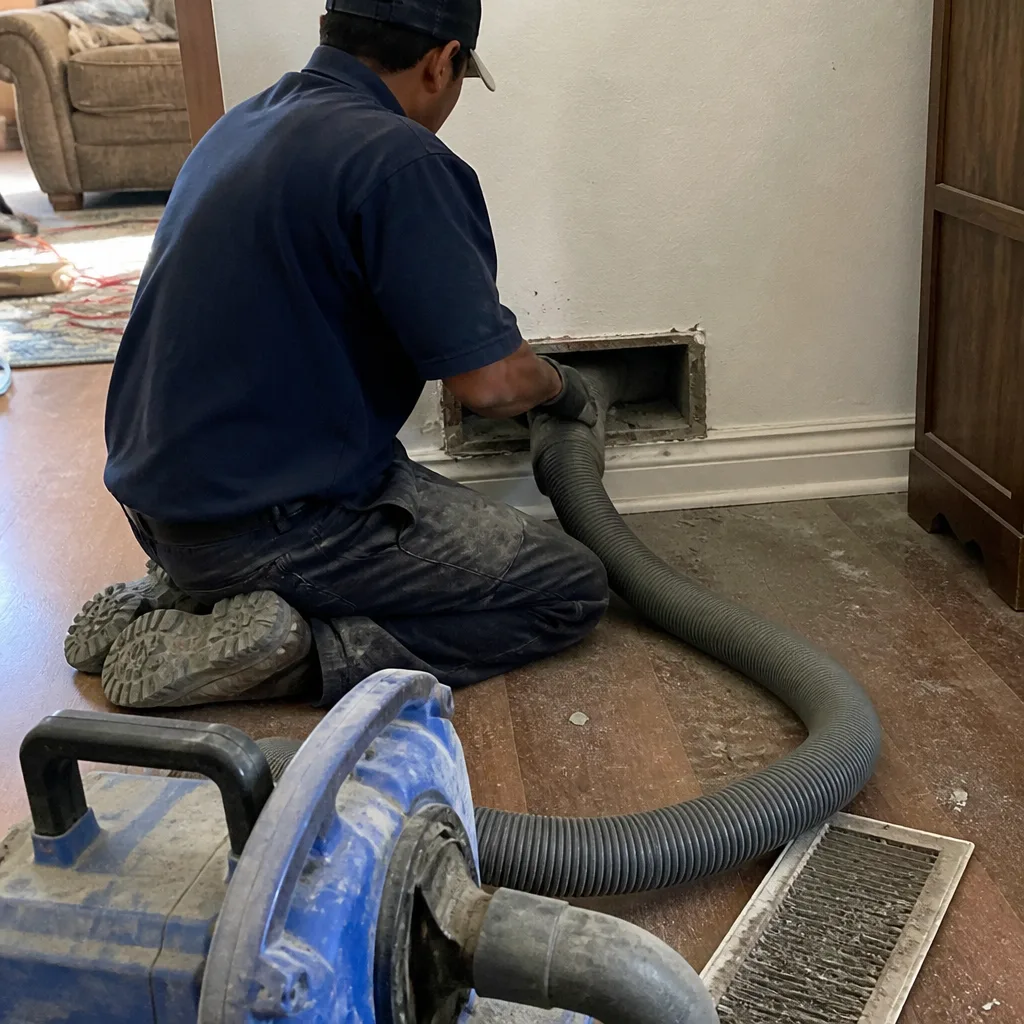 Before
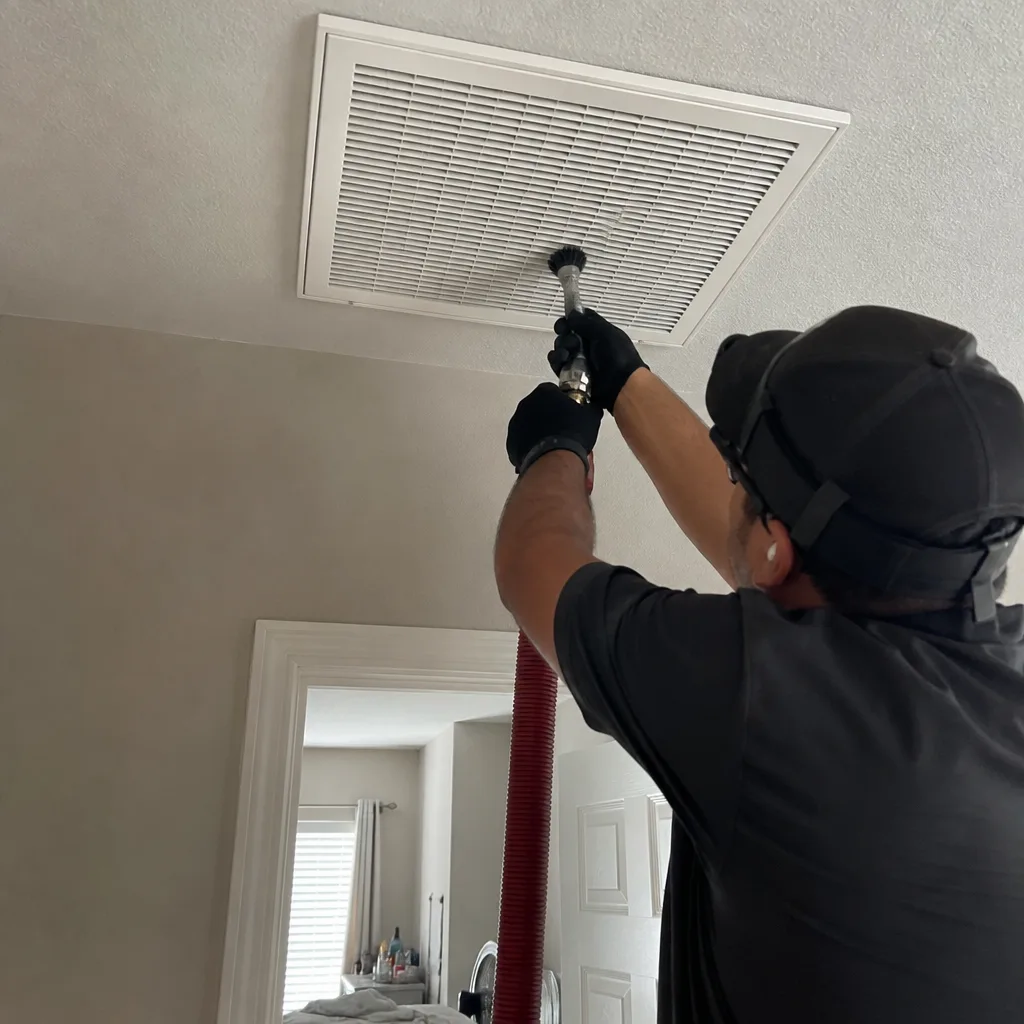 After
AfterReplacement Cost & What’s Included
If cleaning isn’t enough and you need new Honeywell or Honeywell-compatible registers, here’s what to expect in the Houston market:
- Cleaning only, full home (8-14 registers): $85 – $160
- Cleaning plus damper repair on 2-3 registers: $130 – $200
- Replacement registers, residential grade (each): $12 – $28 per register, installed
- Replacement registers, aluminum or commercial grade (each): $22 – $45 per register, installed
The price is the price. We put it in writing before we touch a single register. No per-register add-ons once the technician is inside, no “we found another issue” markup at the door. What we quote is what you pay, and it’s covered by the 365-Day Done Right Promise. If a register we installed fails within a year, we come back and make it right at no charge. That includes a free second visit.
We also handle registers and grilles beyond Honeywell. Lennox, Trane, and Carrier parts are common in Houston systems, and we stock compatible options for all of them.
DIY or Call Us?
Register and grille cleaning is one of the few HVAC tasks a Houston homeowner can safely do without training. Pull the register, vacuum the face and the back, wipe the frame with a damp cloth, and pop it back in. That handles surface dust. What it doesn’t handle is the buildup inside the boot, the damper mechanism, or the ductwork feeding that register. If the dust comes back within days, the problem is upstream of the register, and that’s where a professional negative-air system and a rotary brush make the difference.
There’s a safety line here too. Registers in ceilings over stairwells or high walls are awkward to reach, and Houston attics in July are not a place for an untrained homeowner with a stepladder. If you’re not comfortable on a ladder or you can’t see the condition of the duct behind the register, call us at (713) 936-5800. We’ll give you a written price before we start and tell you exactly what needs cleaning and what doesn’t.
FAQs
In Houston’s humidity, stamped-steel Honeywell registers typically last 10 to 15 years before the damper mechanism seizes or rust sets in at the corners. Aluminum registers can last 20 years or more. If your home is in Galveston-adjacent areas with salt air, expect the shorter end of that range. Call (713) 936-5800 and we’ll take a look at yours.
Sometimes. If the register face is intact but the damper lever is stiff, we can often lubricate or replace the damper assembly without swapping the whole register. If the frame is rusted through or the blades are bent, replacement is cheaper than repairing. We’ll tell you which one honestly, and the price is written down before we do the work.
For a full home with 10 to 14 registers, expect 60 to 90 minutes. We clean each register, inspect the boot, and note any ductwork issues we see. If replacements are needed, add about 10 minutes per register. You’ll know the total time and total cost before we begin.
Yes. We carry common Honeywell residential sizes (4×10, 4×12, 6×12) and compatible aftermarket options on our trucks. If you need a commercial-profile Honeywell register or an uncommon size, we can order it and have it installed within a few days. Call (713) 936-5800 with your size and we’ll confirm stock before you book.
Written by Roy Castellanos, Owner, Hollis Air Duct Houston at Hollis Air Duct Houston, serving Houston and nearby areas.