
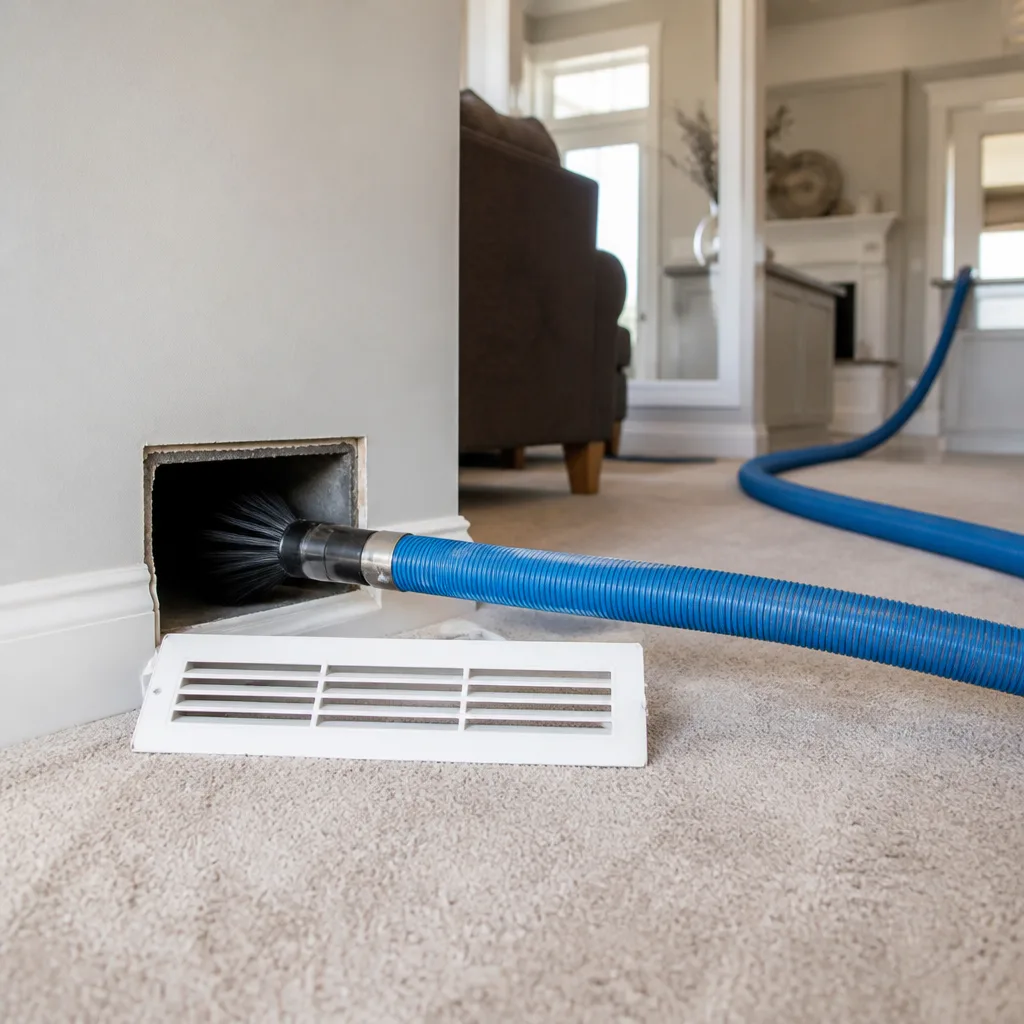
 Whole-home duct cleaning
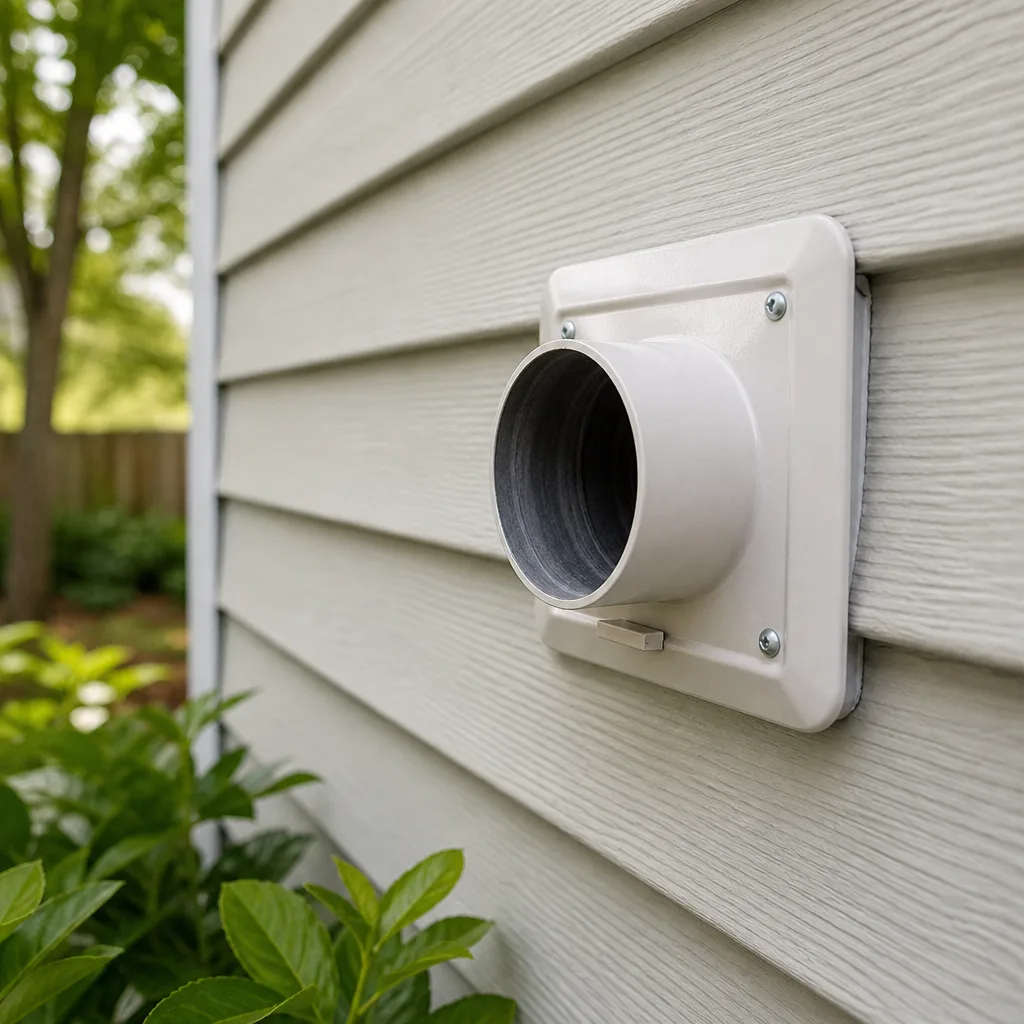 Dryer vent cleaning
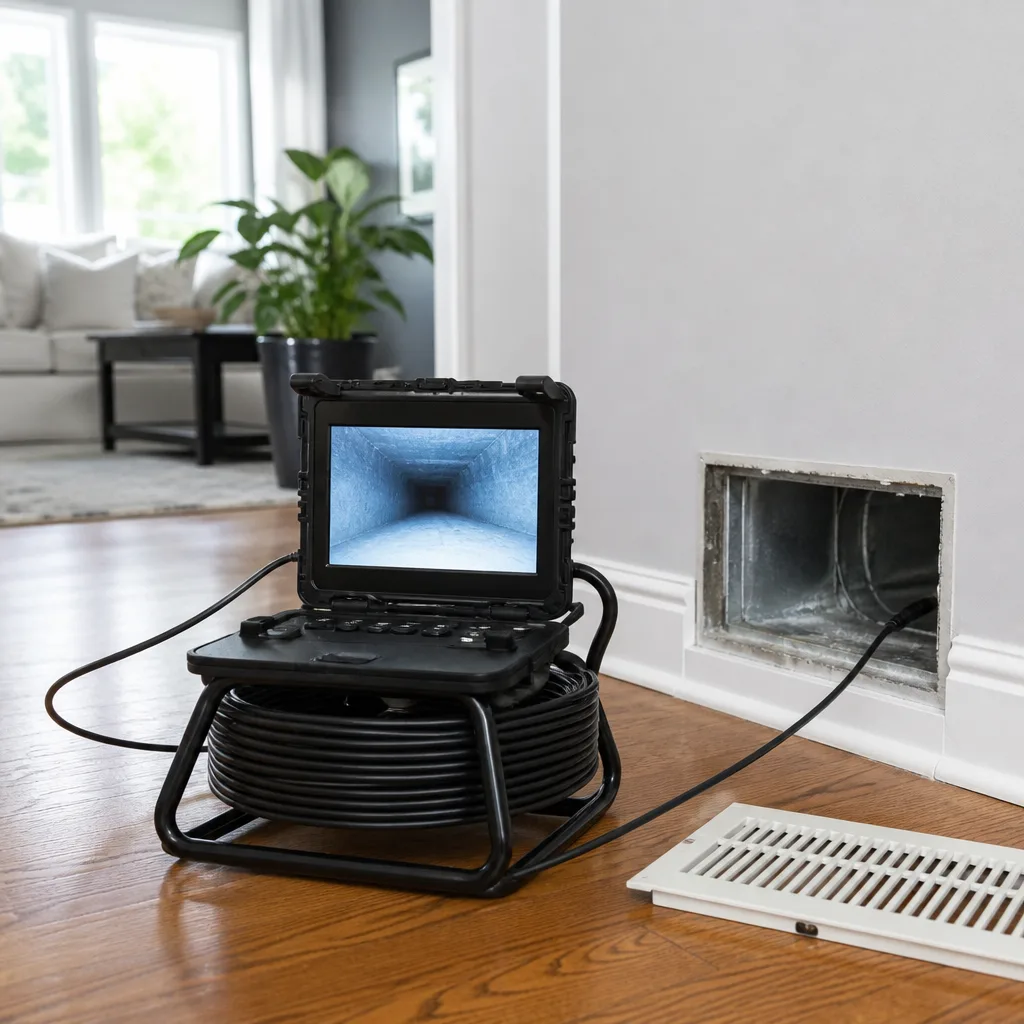 Camera inspection
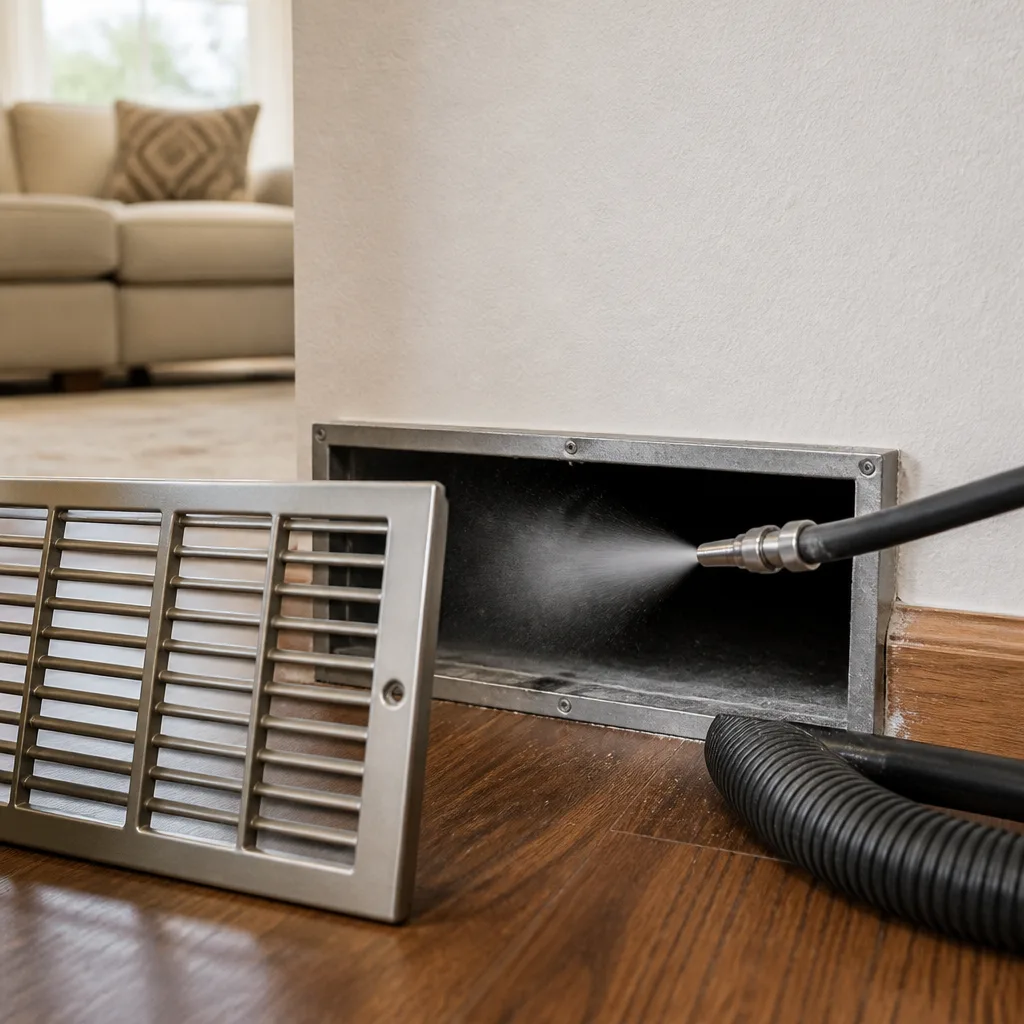 Sanitizing & deodorizing
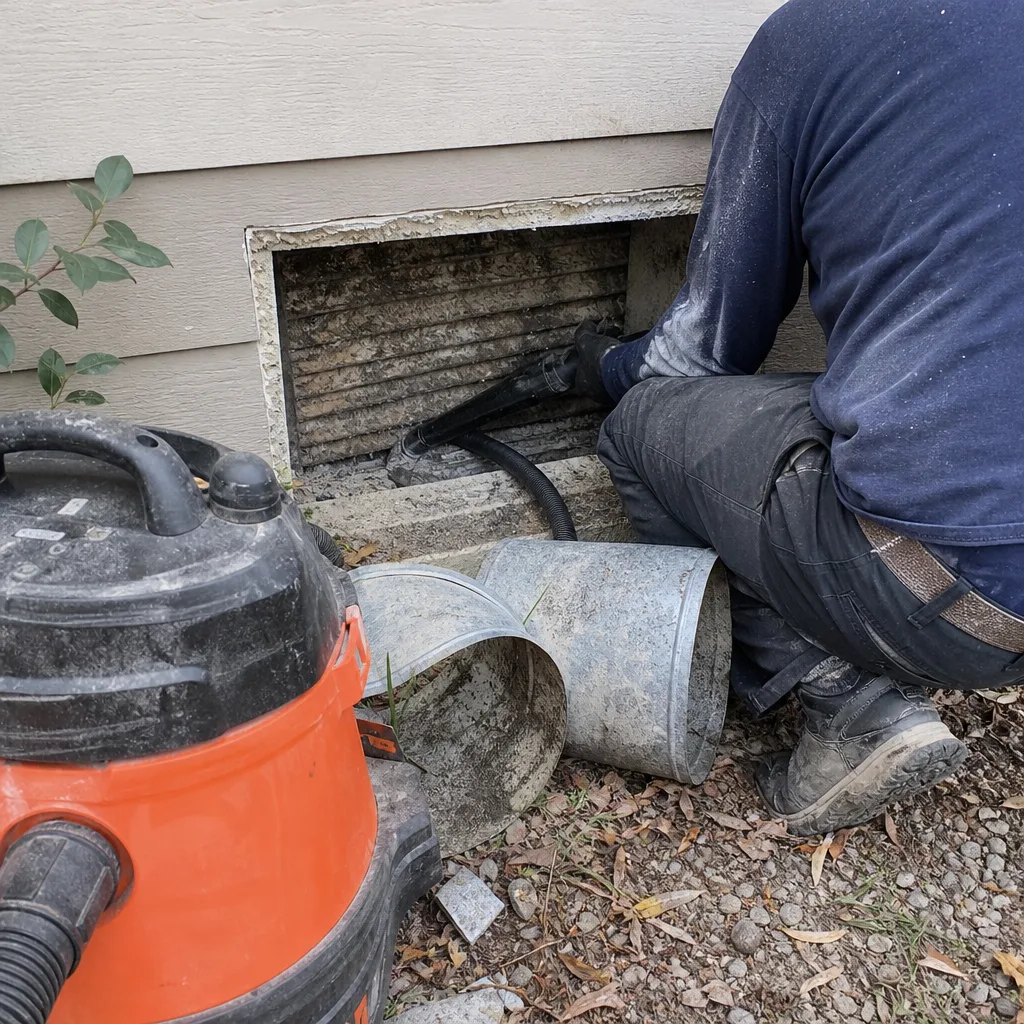
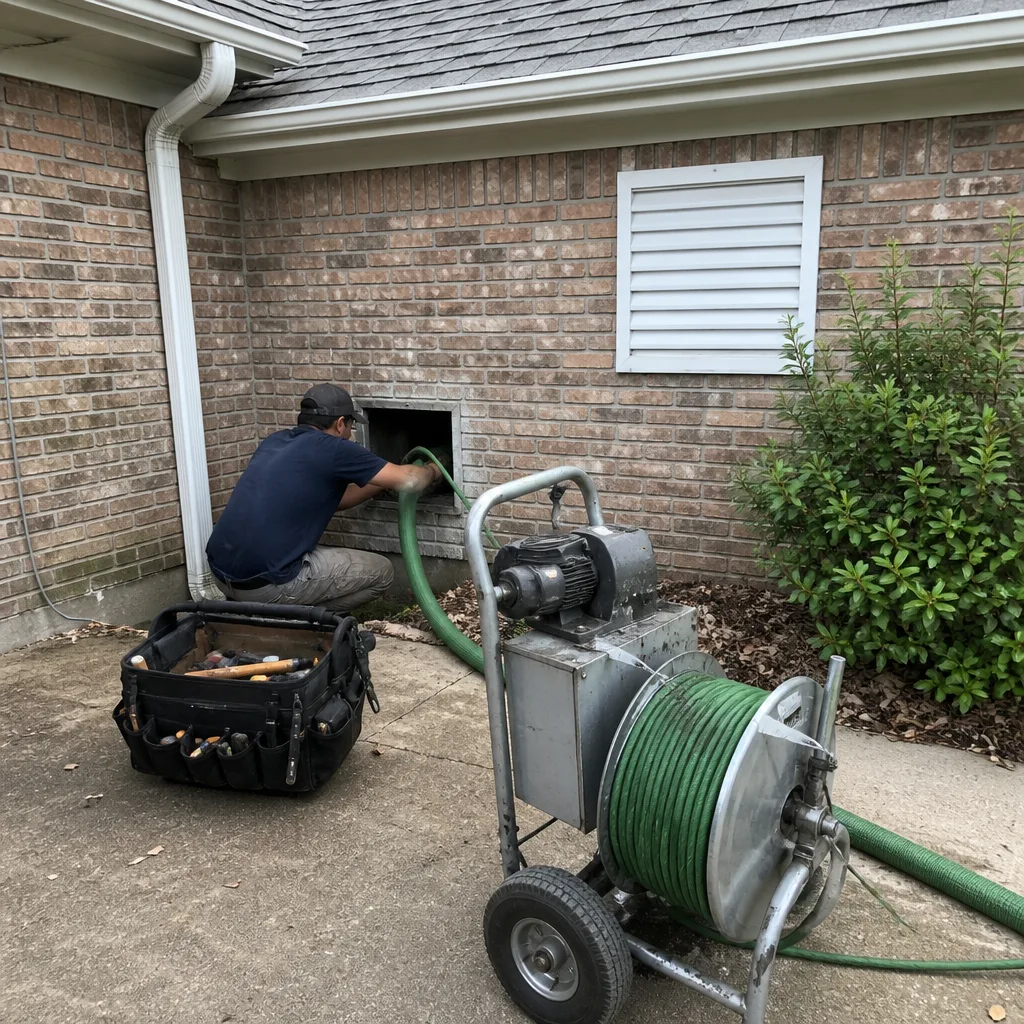
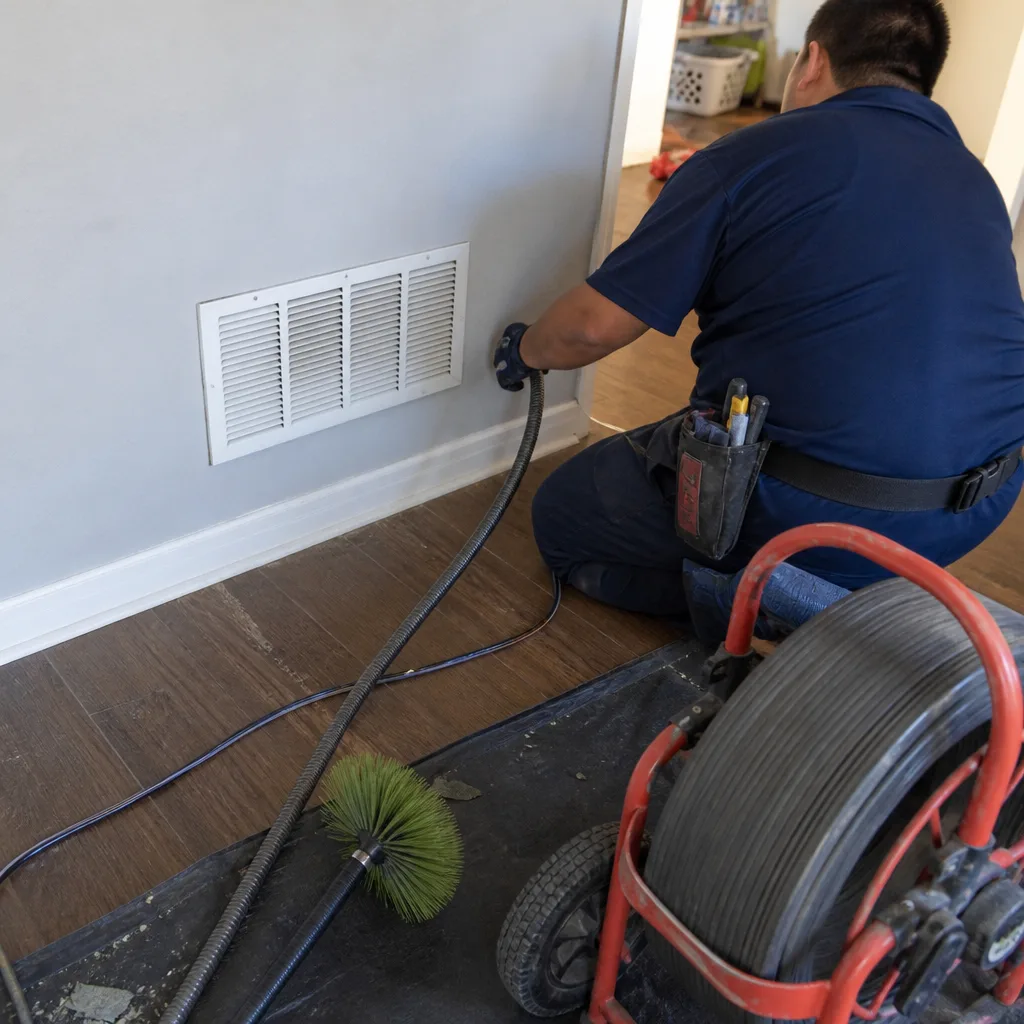
Whole-system duct and dryer vent check with before-and-after photos - you see exactly what came out of your vents
That "$99 whole-house special" is a bait ad - the real number appears once they are in your hallway, or the "clean" is a shop-vac at the register. We photograph the inside of your ducts before and after instead.
Honeywell Duct Sealing in Houston: What to Know First
Honeywell duct sealing in Houston typically runs $450 to $1,400 depending on how much of your system needs work, and most jobs are finished in a single visit. We’re an independent Honeywell service provider, which means we work on the equipment without being tied to corporate service schedules or pricing. If you’ve got a Honeywell system and suspect leaks, call (713) 936-5800 and we’ll give you a written price before anyone touches your ductwork.
This page is for Houston homeowners who own a Honeywell system and want to understand why the ducts are leaking, what it costs to fix them right, and what to expect when a crew shows up. No brand blurb. No generic filler. Just what we see in Houston attics and crawl spaces every week.
How Honeywell Products Fail – and How We Fix Them
Honeywell makes solid filtration and zoning equipment, but the ductwork attached to those systems is where Houston humidity does its damage. Here’s what we encounter on Honeywell jobs:
- Honeywell TrueZONE panel systems with leaking bypass ducts. Homes with Honeywell TrueZONE zoning panels often have a bypass duct that dumps conditioned air into unused zones. The connections at the bypass damper are a common leak point, especially in Houston attics where the heat and moisture cycle breaks down tape adhesive. We pull the insulation back, seal the collar with mastic, and re-insulate. On a true Houston summer day, that bypass is handling air that’s 20 degrees cooler than the attic air around it. Small leaks there add up fast.
- Honeywell electronic air cleaner housings with cracked seams. Older Honeywell Electronic Air Cleaner units (models like the F300) sit between the return plenum and the furnace or air handler. The housing seams on those older units, particularly ones paired with high-static systems, develop hairline cracks over time. Air gets pulled in from the attic without ever passing through the filter. We seal the housing with mastic rated for metal-to-metal joints and verify the static pressure comes back into range.
- Flex duct runs attached to Honeywell media filter cabinets. The Honeywell F100 and F200 media cabinet lines are common in Houston. We see flex duct runs where the inner liner has worked loose from the takeoff collar at the media cabinet. Instead, we pull the flex, re-secure the liner to the collar with a draw band, seal the outer jacket with mastic, and test the connection before we call it done. It’s a simple failure with an expensive result if it goes unnoticed through a Houston cooling season.
- Zoning dampers on Honeywell systems that stick open and waste air. When a Honeywell zoning damper motor fails or the damper blade gets hung up on duct debris, the system pushes air into a zone that isn’t calling for it. That’s lost airflow and higher humidity in rooms that don’t need it. Part of our duct sealing work on zoned Honeywell systems includes checking damper blade travel and sealing around the damper frame so air isn’t sneaking past the blade itself.
- Return air leaks at Honeywell UV air treatment system mounts. If you have a Honeywell UV System (like the UV100A) mounted in the return plenum, the cutout for the UV bulb socket is a known penetration point. That gap pulls attic air into the return side, which means everything downstream is mixed with unfiltered, unconditioned air. We seal that penetration and any others on the return plenum before we even start on supply runs.
Styles & brands we work with
Our Honeywell Duct Sealing Process
Here’s exactly how a Honeywell duct sealing job goes with us, from first call to final walkthrough:
- 1
Call and written scope. You call (713) 936-5800. We ask about your Honeywell equipment, your symptoms, and the age of the house. We give you a ballpark range over the phone and confirm a written quote will come before any work starts.
- 2
On-site inspection. Our tech shows up inside the quoted window, uniform on, background already checked. We walk the system, check the Honeywell equipment, and look at every accessible duct connection, plenum seam, and return penetration. Houston attic heat makes summer inspections quick and thorough; the sooner we’re out of that attic, the better for everyone, but we don’t skip a seam to save sweat.
- 3
Written price before work. Based on what we find, you get a written number. No per-vent surprises. No upsell on parts you don’t need. If we recommend OEM Honeywell parts, we say why. If a quality aftermarket part does the same job for less, we tell you that too.
- 4
Sealing by the book. We use mastic, not tape, on metal and fiberboard. We use draw bands and mastic on flex connections. We seal supply and return sides. We don’t spray sealant through the system unless the diagnosis points to that as the right tool, and we’ll explain the trade-off before we do.
- 5
Test and verify. We re-check static pressure where it makes sense, inspect every sealed joint, and make sure the Honeywell system is moving air the way it should. If we find something else off, we photograph it and show you. Nothing hidden.
- 6
Cleanup and the 365-Day Done Right Promise in writing. We leave the site the way we found it, fit the tools, and hand you the written guarantee. If any seal we made fails within a year, we come back and fix it at no charge. That includes a free second visit. It’s in writing, and that part never moves.
See the difference
 Before
 After
After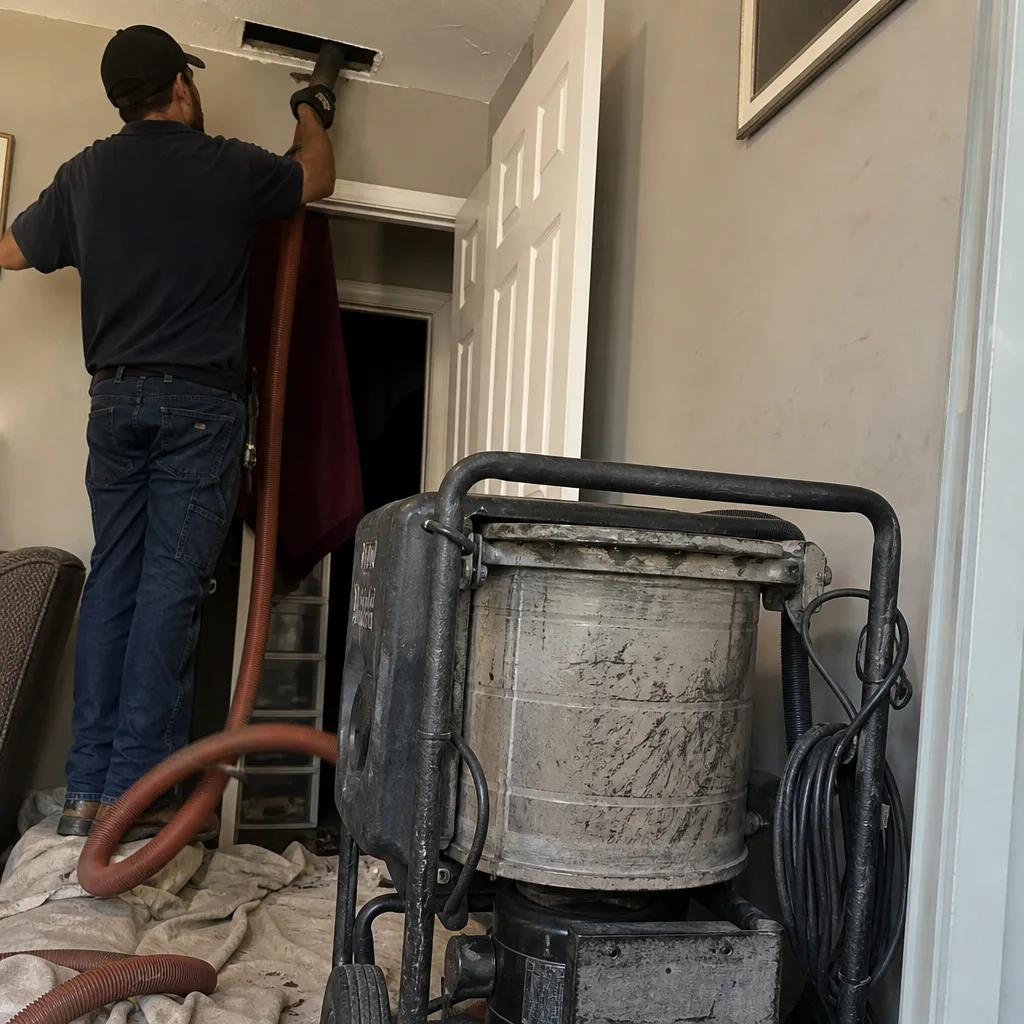 Before
 After
After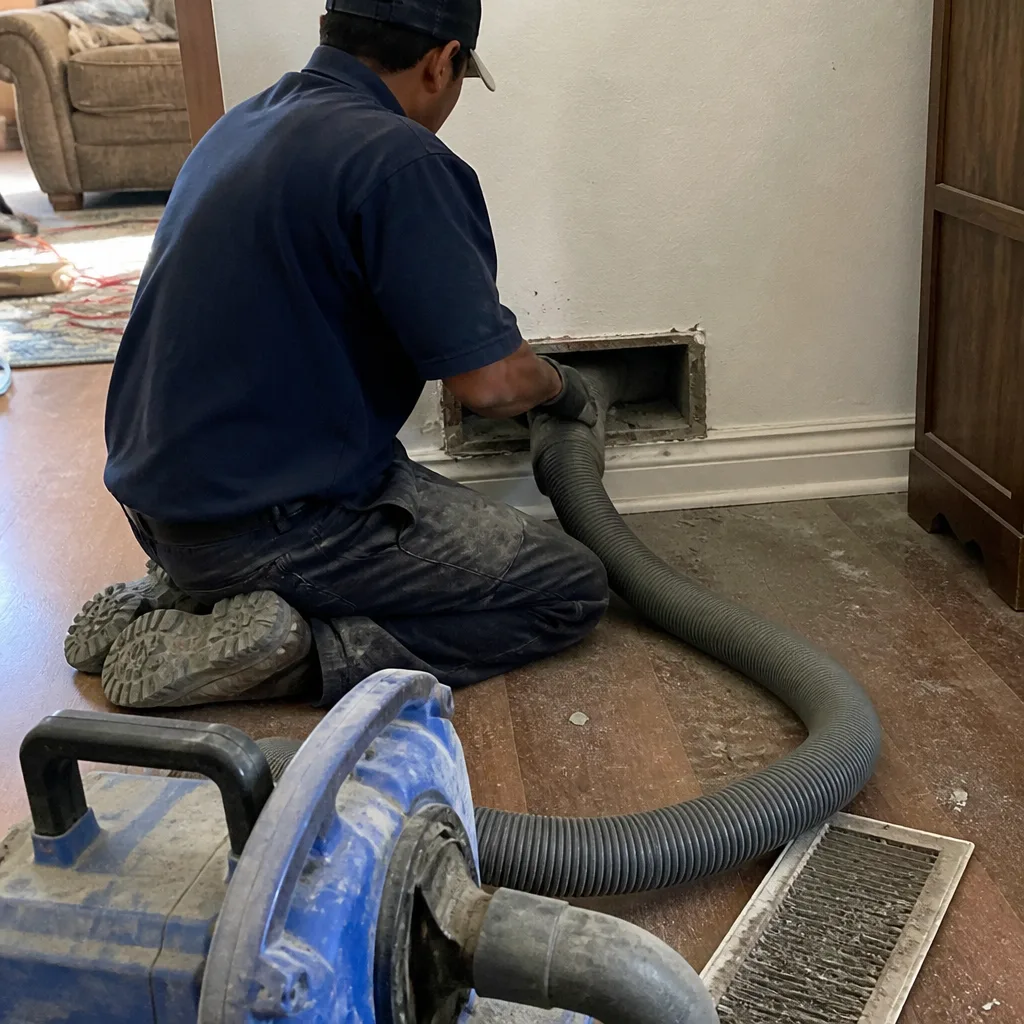 Before
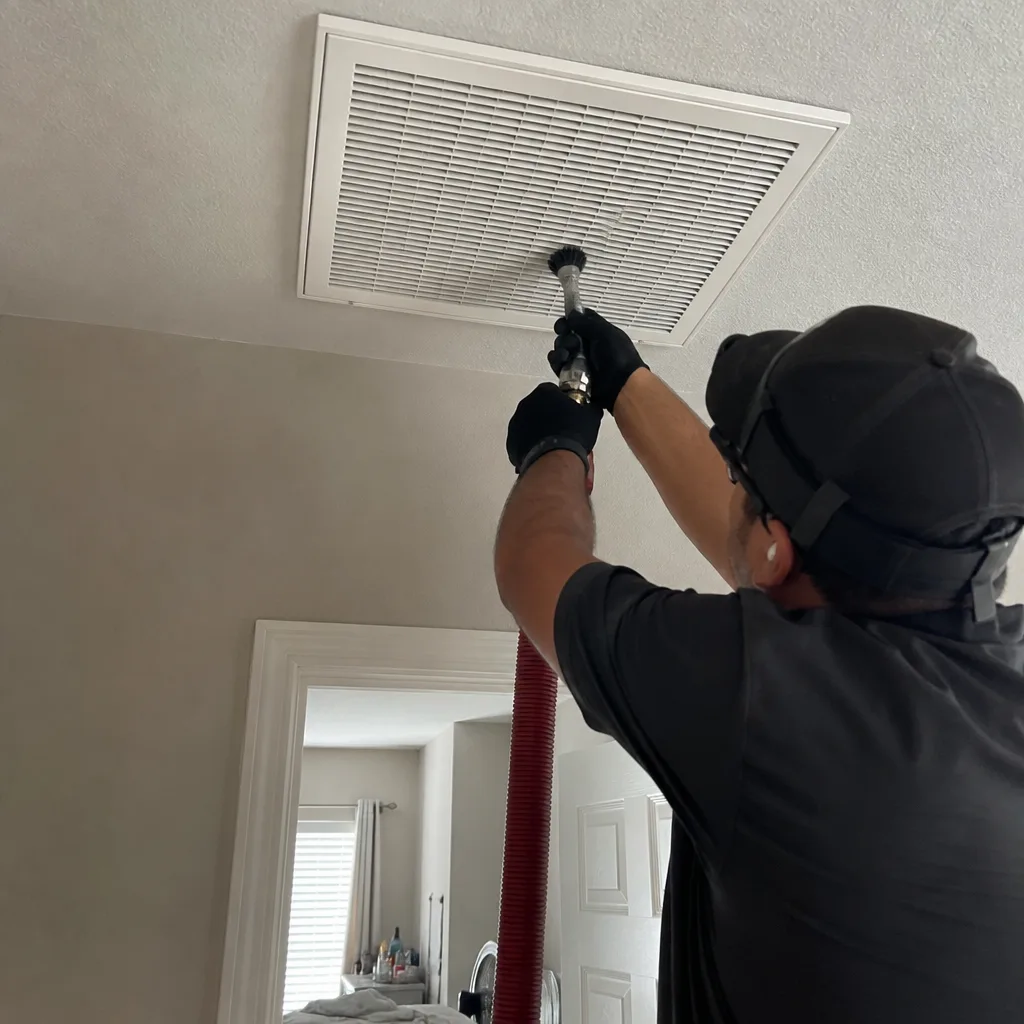 After
AfterWhat Honeywell Duct Sealing Costs in Houston
Most Honeywell duct sealing jobs in Houston land in these ranges:
- Single return plenum or supply plenum sealing: $200 to $450. This covers the joints at the plenum, the equipment connection, and any obvious penetrations around Honeywell housings or UV mounts.
- Partial duct sealing (up to 8 connection points or collars): $400 to $800. This includes sealing collar connections and sealing plus re-insulating where needed.
- Full supply-and-return sealing (most common for older Houston homes): $750 to $1,400. Every accessible connection, plenum seam, and penetration gets sealed. This is the job where before-and-after static readings make the difference obvious.
What moves the price is access. Attic jobs with tight clearances, ducts buried under blown insulation, or systems in a hot Houston attic in August take more labor time and more care. We’ll tell you what your job costs, in writing, before we touch it. Call (713) 936-5800 for an exact quote. The estimate is free, and it doesn’t get jacked up at the door.
Why Houston Homeowners Call Hollis Air Duct Houston for Honeywell Work
We’ve been doing this in Houston since 2004, and a lot of that work has been on Honeywell systems in homes across the Energy Corridor, Memorial, Katy, and Sugar Land. Older construction out that way means ductwork that has been ignored for twenty years or more. We know those attics. We know what Houston humidity does to mastic and tape over time, and we know Honeywell equipment well enough to spot the difference between a duct leak and a Honeywell component problem. If you also have Lennox, Trane, or Carrier equipment elsewhere in the house, our techs handle those systems too, so you’re not juggling multiple contractors. The job gets done by someone who showed up on time, in uniform, with a background check already cleared. That’s how Roy Castellanos runs it here, and that’s how the 365-Day Done Right Promise stays something we can stand behind.
FAQs
Sealing your ducts will not void your Honeywell equipment warranty. The Honeywell equipment warranty covers the equipment itself, not the ductwork attached to it. As long as the equipment isn’t modified or hacked into, sealing duct connections around it is standard HVAC practice and doesn’t affect the equipment’s warranty coverage. If we need to touch a Honeywell component directly, like a UV housing or a zone panel, we’ll flag it and explain what we’re doing before we do it.
The most common signs are rooms that never reach the thermostat setting, dust accumulating faster than it should, higher cooling bills during a Houston summer, and a system that runs longer than it used to. If your Honeywell thermostat says the set point but the room disagrees, you probably have a duct leak or a zoning problem. Call (713) 936-5800 and we’ll run an inspection that points to the actual cause.
We use OEM Honeywell parts when the part is safety-related or the system’s performance depends on exact fitment. For duct sealing work, the materials are mastic, draw bands, and insulation, which aren’t brand-specific anyway. For Honeywell components like damper motors or zone panel parts, we’ll give you the OEM option and a quality aftermarket option with the price difference stated plainly. You decide; we do the work by the book either way.
Most Honeywell duct sealing jobs can be scheduled within a few days. We don’t rush the scheduling because a proper inspection takes time, and we won’t send a tech out just to hand you a number before looking at the system. Call (713) 936-5800 and we’ll get you on the calendar.
If any seal we make fails within 365 days, we come back and fix it at no charge. That includes a free second visit, and it’s written into your quote before we start. Houston’s heat and humidity stress every seal eventually, but ours are made to hold through at least one full cooling season. If they don’t, you know exactly who to call.
Written by Roy Castellanos, Owner, Hollis Air Duct Houston at Hollis Air Duct Houston, serving Houston and nearby areas.