
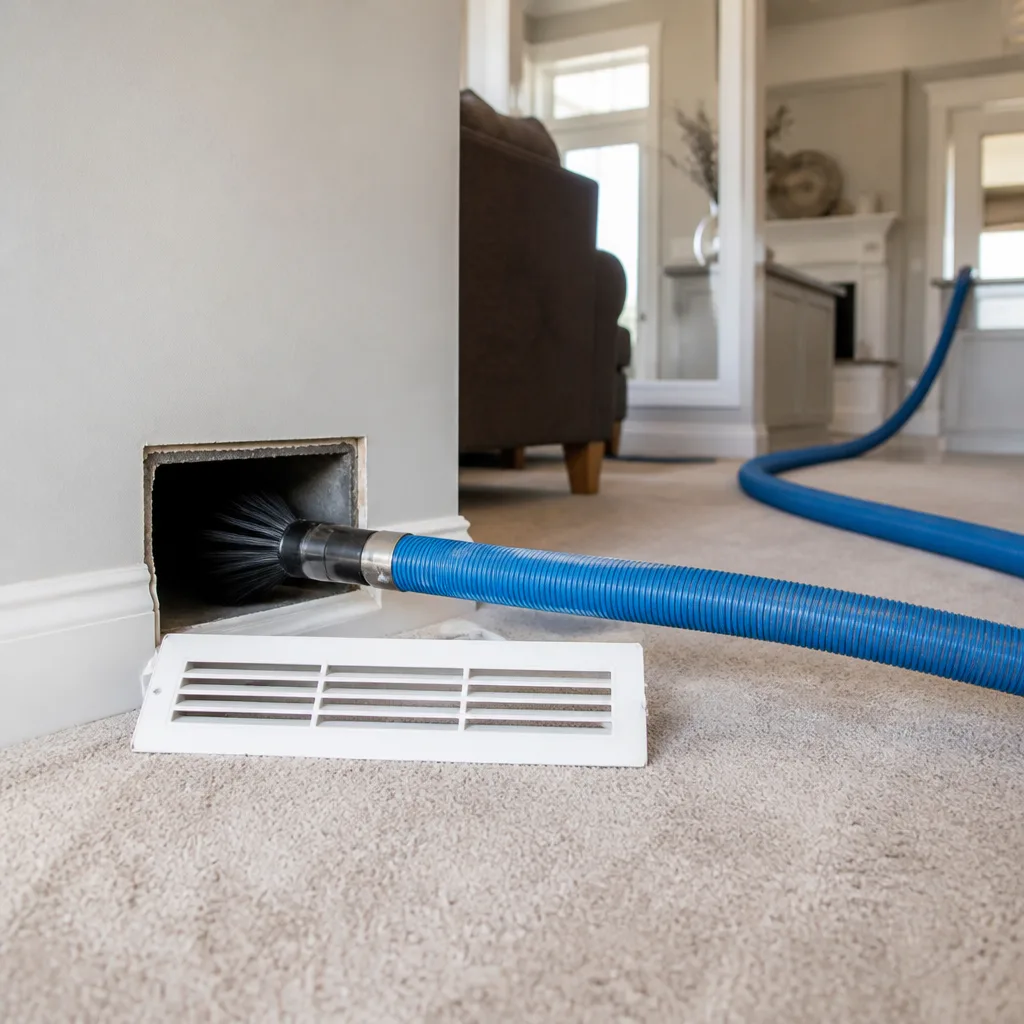
 Whole-home duct cleaning
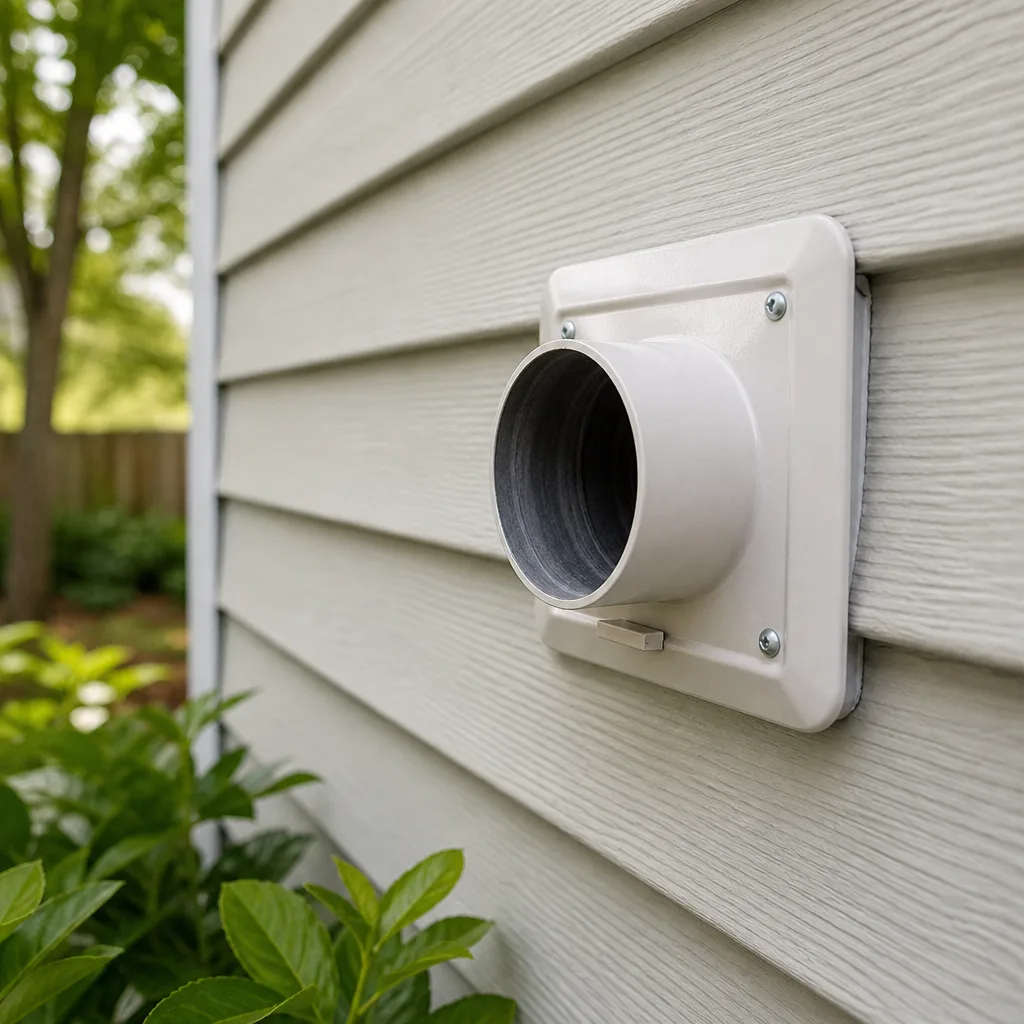 Dryer vent cleaning
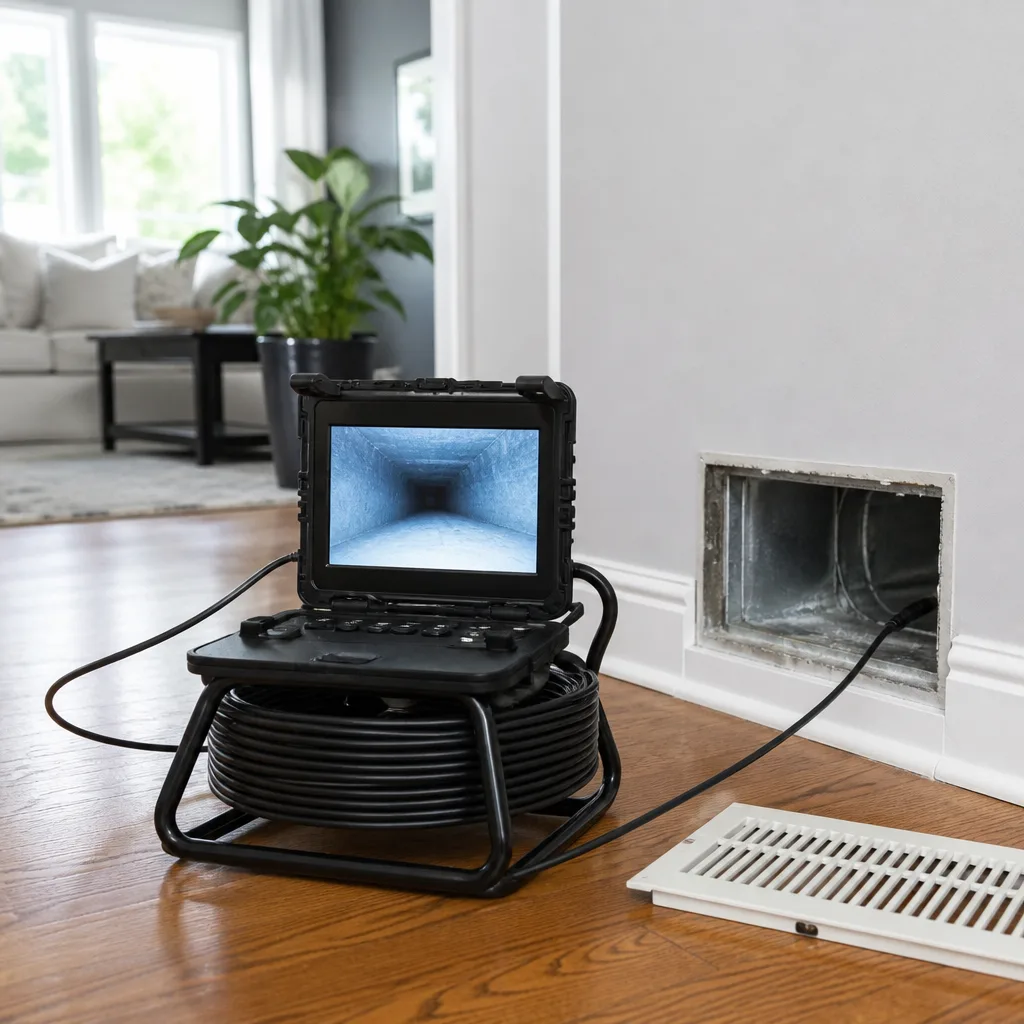 Camera inspection
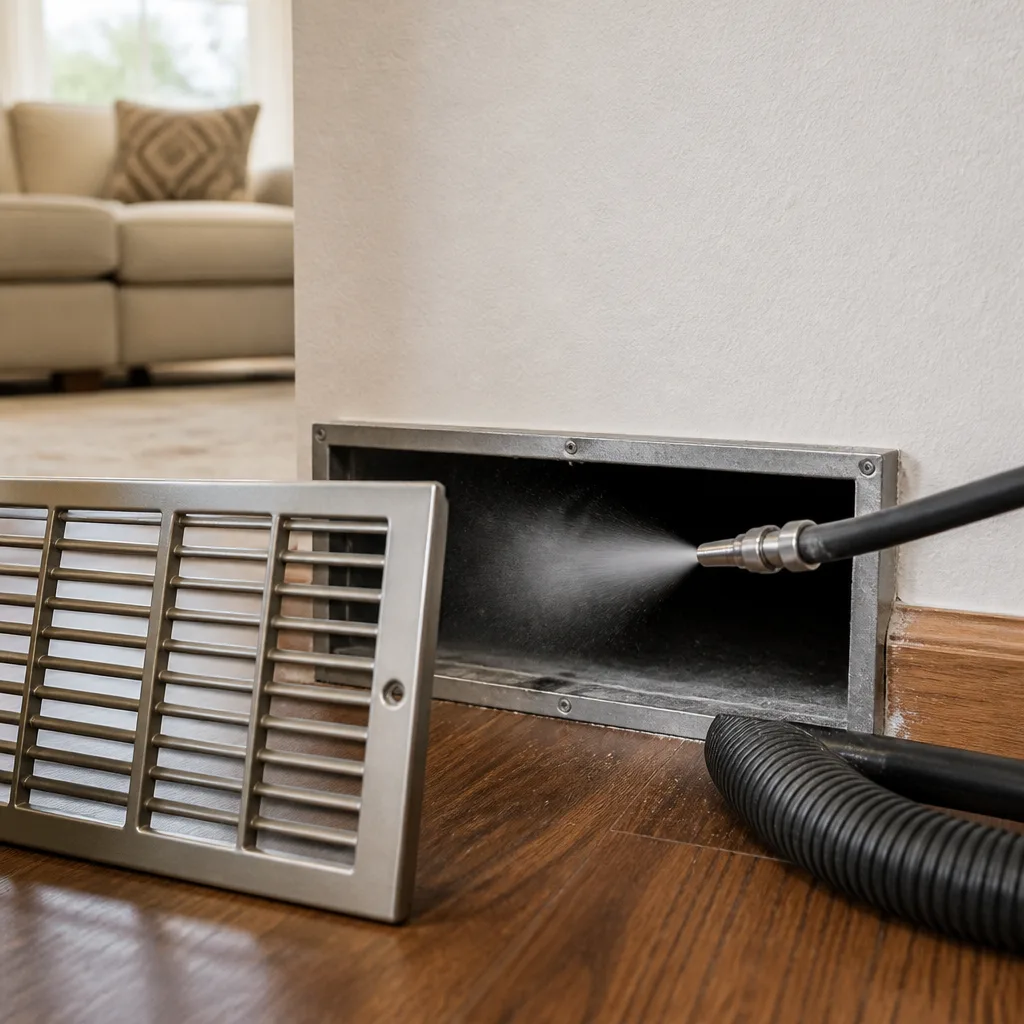 Sanitizing & deodorizing
Whole-system duct and dryer vent check with before-and-after photos - you see exactly what came out of your vents
That "$99 whole-house special" is a bait ad - the real number appears once they are in your hallway, or the "clean" is a shop-vac at the register. We photograph the inside of your ducts before and after instead.
Honeywell Coil Cleaning: The Houston Owner’s Guide
Coil cleaning for Honeywell HVAC systems in Houston typically runs $180 to $420 installed, depending on access and how long the coils have been neglected. We stock Honeywell-compatible coil cleaning kits on our trucks and can usually complete the job in a single visit. Most Houston homeowners discover they need this service when their system starts short-cycling, the air feels warmer than the thermostat says, or the electric bill climbs a full 15 to 20 percent over the same month last year without any obvious reason.
Here’s the reality of Honeywell coils in this climate: Houston’s humidity loads coils with a film of mold, cottonwood, and construction dust faster than almost any other market. That film insulates the coil from the air passing over it. The system still runs, it still answers the thermostat, but it’s working harder to move less heat. We see it most often on Honeywell systems in older homes around Meyerland and the Heights, where return ducts pull in whatever the attic has been holding since the house was built.
Before we go further: Hollis Air Duct Houston is an independent service provider. We are not affiliated with Honeywell, Resideo, or any manufacturer. We use OEM-spec cleaning solutions and procedures that are safe for Honeywell coil surfaces, and everything we do is covered by a written work order before we touch the unit.
Which Honeywell Models This Applies To
Honeywell evaporator coils ship under the Resideo umbrella now, but the coil geometry hasn’t changed much across the most common residential lines. The vast majority of Honeywell-compatible coils in Houston homes are cased A-coils or slab coils paired with 2-ton through 5-ton condensing units. The model tag on the coil cabinet is the one you need. It’ll show a model number starting with a letter like a C, E, or AB, followed by a digit string. That tells us the coil’s tonnage and the case width.
Where Houston homeowners get tripped up is matching the coil to an older Honeywell air handler. Some of those air handlers from the early 2000s use a coil with a specific drain-pan depth that aftermarket generic coils don’t match without a field modification. We’ve pulled coils out of attics in Katy and Sugar Land where someone before us made that exact mismatch work with foil tape and hope. It leaks. It sweats. It costs more to fix later than it would have to do right the first time.
For coil cleaning, the part itself matters less than the coil’s condition and age. A Honeywell coil under 8 years old that gets cleaned every 2 to 3 years responds well to standard foaming cleaner and a low-pressure rinse. A coil that hasn’t been touched in 12 years in a humid Houston attic might need a deeper chemical treatment and possibly fin straightening. We’ll tell you which one you’re looking at before we put a number on the work.
OEM versus aftermarket matters more with replacement parts than with cleaning. But one compatibility note worth knowing: Honeywell coils made before roughly 2010 used copper tube and aluminum fin construction with a slightly different fin spacing than current all-aluminum coils. That older fin spacing clogs faster in Houston’s dust load and needs cleaning more often. If your system is original to a house built in the 1990s, expect to see that older coil style.
Styles & brands we work with
Signs Your Honeywell Coil Is Failing
- System short-cycles or runs constantly without hitting the set point. A fouled coil can’t transfer heat, so the compressor runs longer to do less work. You’ll notice it most on Houston’s first genuinely hot week in May or June.
- Weak or uneven airflow from some registers. When a Honeywell coil is packed with debris, air backs up behind it. Bedrooms at the end of a duct run get weak airflow first. That’s air not making it past the coil.
- White or dark residue visible on the coil fins. If the access panel is off and you can see the coil, a chalky or gummed film means organic growth plus dust. Houston’s summer attic humidity accelerates that growth in a matter of weeks.
- The condensate drain line keeps clogging. Dirt washing off a dirty coil carries into the drain pan and line. If you’re clearing algae clogs every month, the coil above it is the source.
- Electric bill spikes without a rate hike or season change. A badly loaded coil can drop system efficiency by 20 percent. On a Honeywell unit with an ECM blower, the motor also ramps up to fight the static pressure drop, adding more draw.
None of these symptoms mean the coil is dead. Most Honeywell coils clean up well if they’re addressed before fin corrosion sets in. The problem is that Houston owners often don’t notice until the system is already laboring, and by then the coil has been wet and dirty long enough to start eating into the aluminum fins.
See the difference
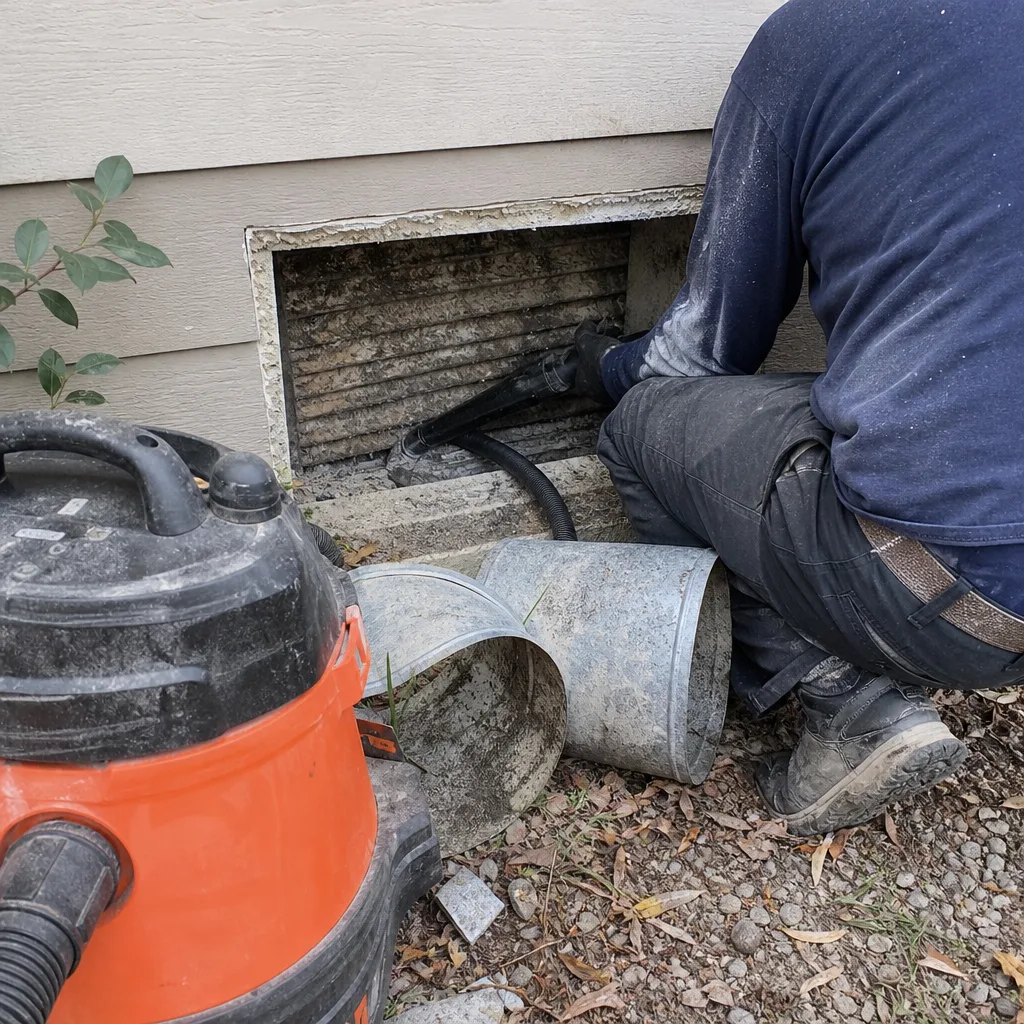 Before
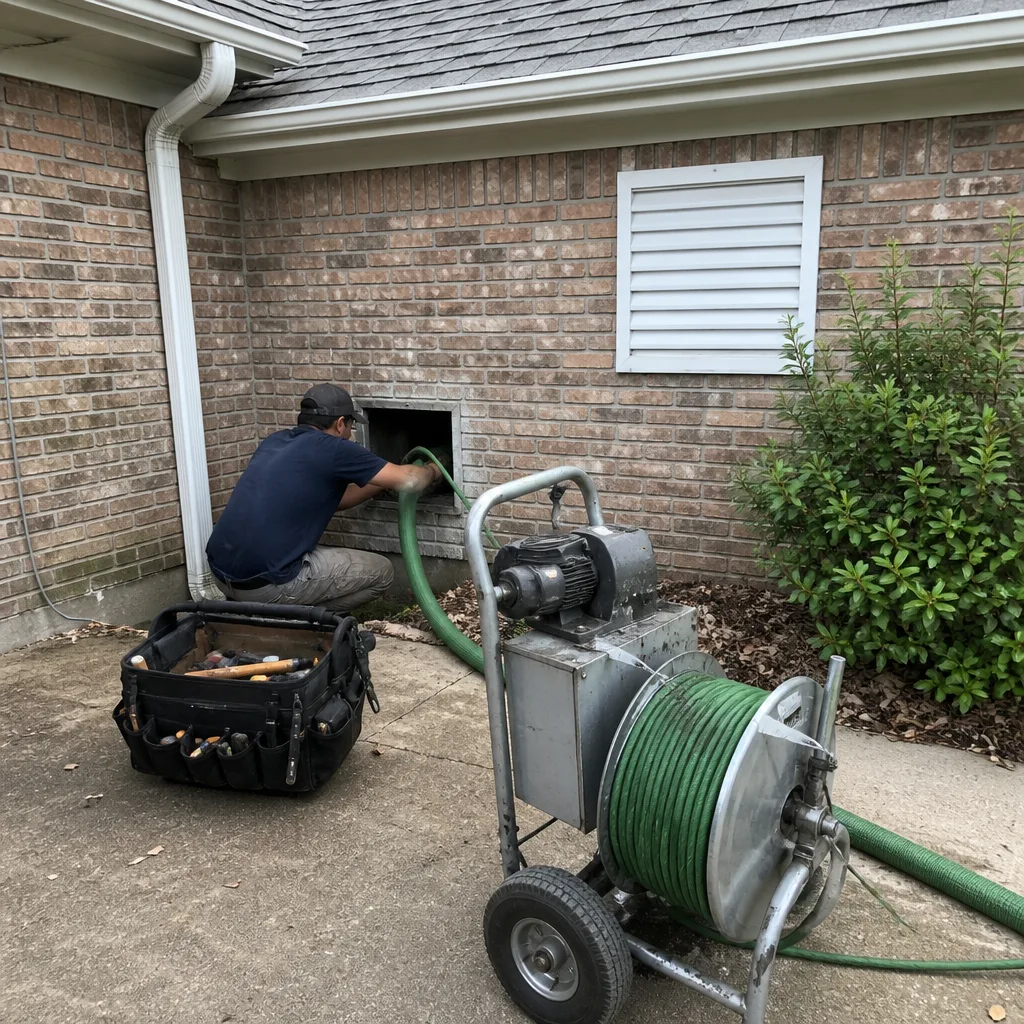 After
After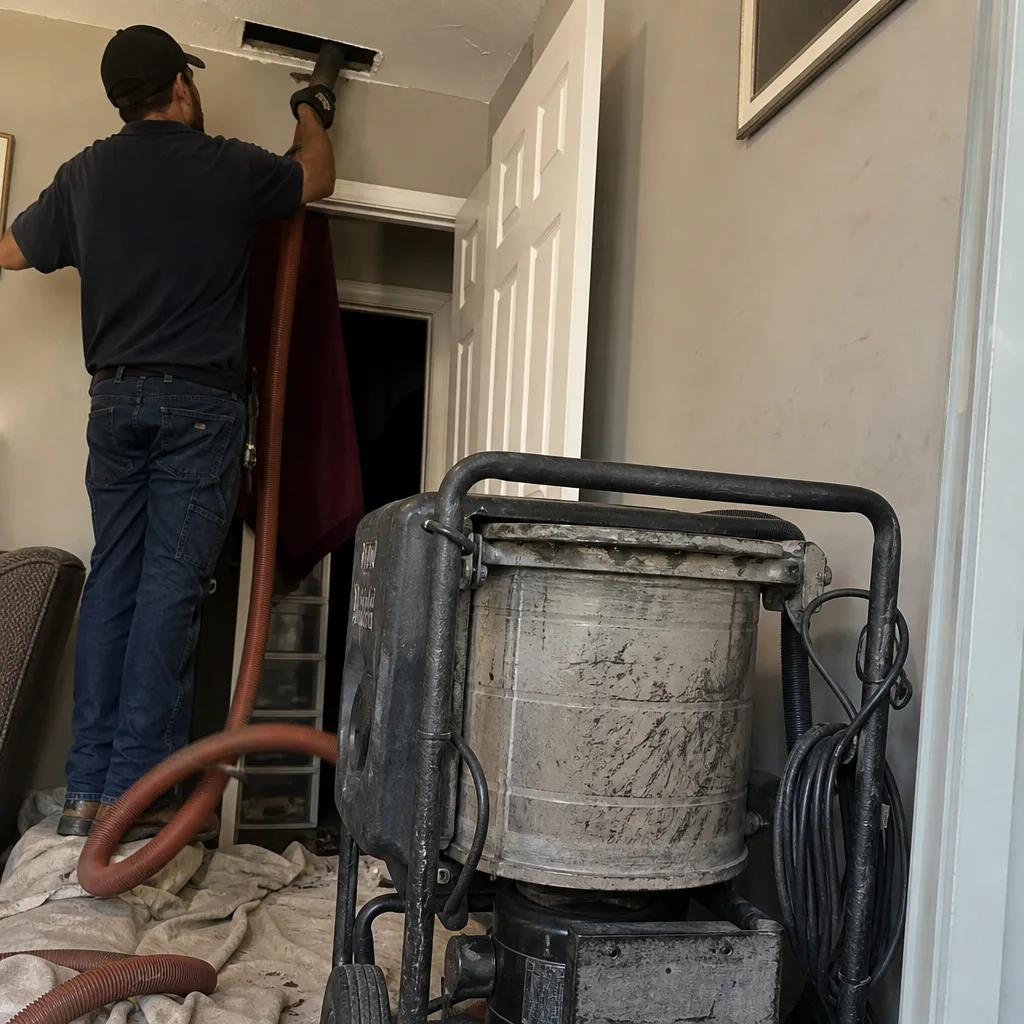 Before
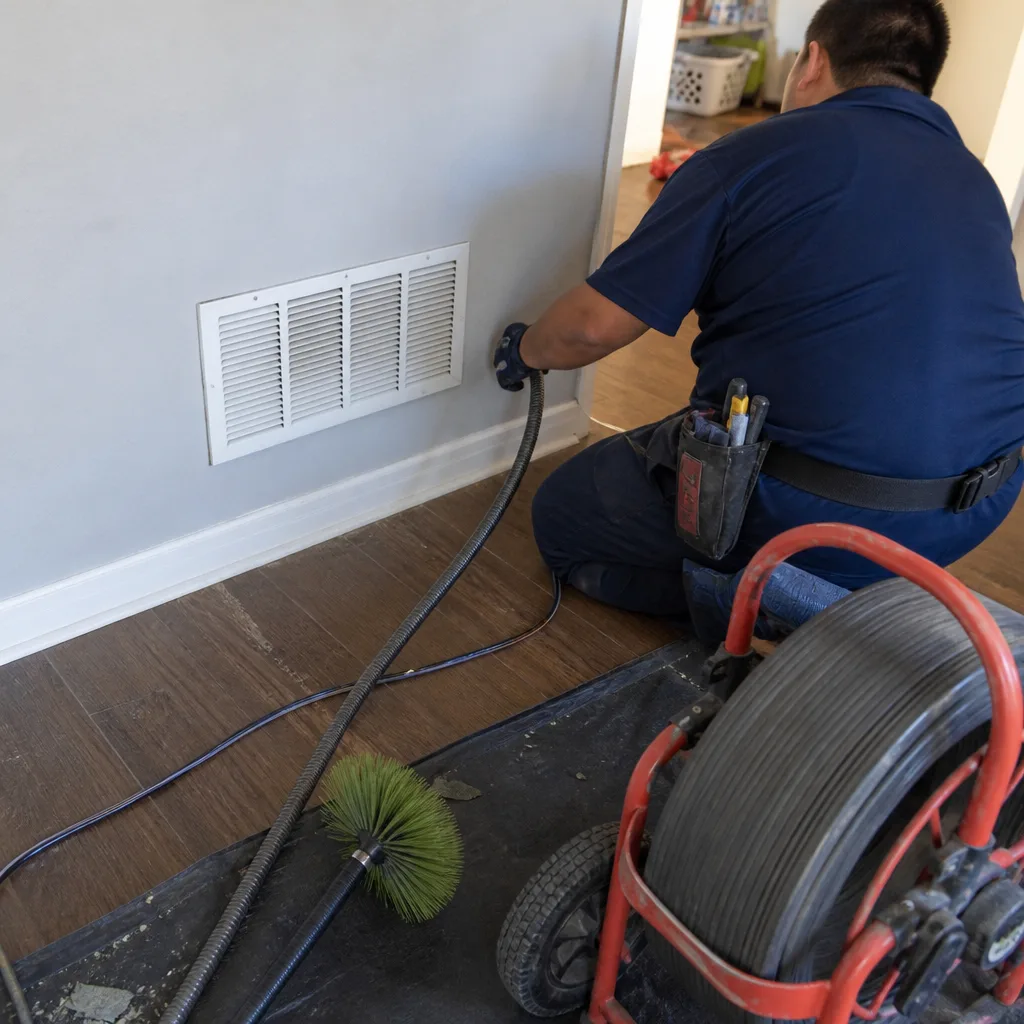 After
After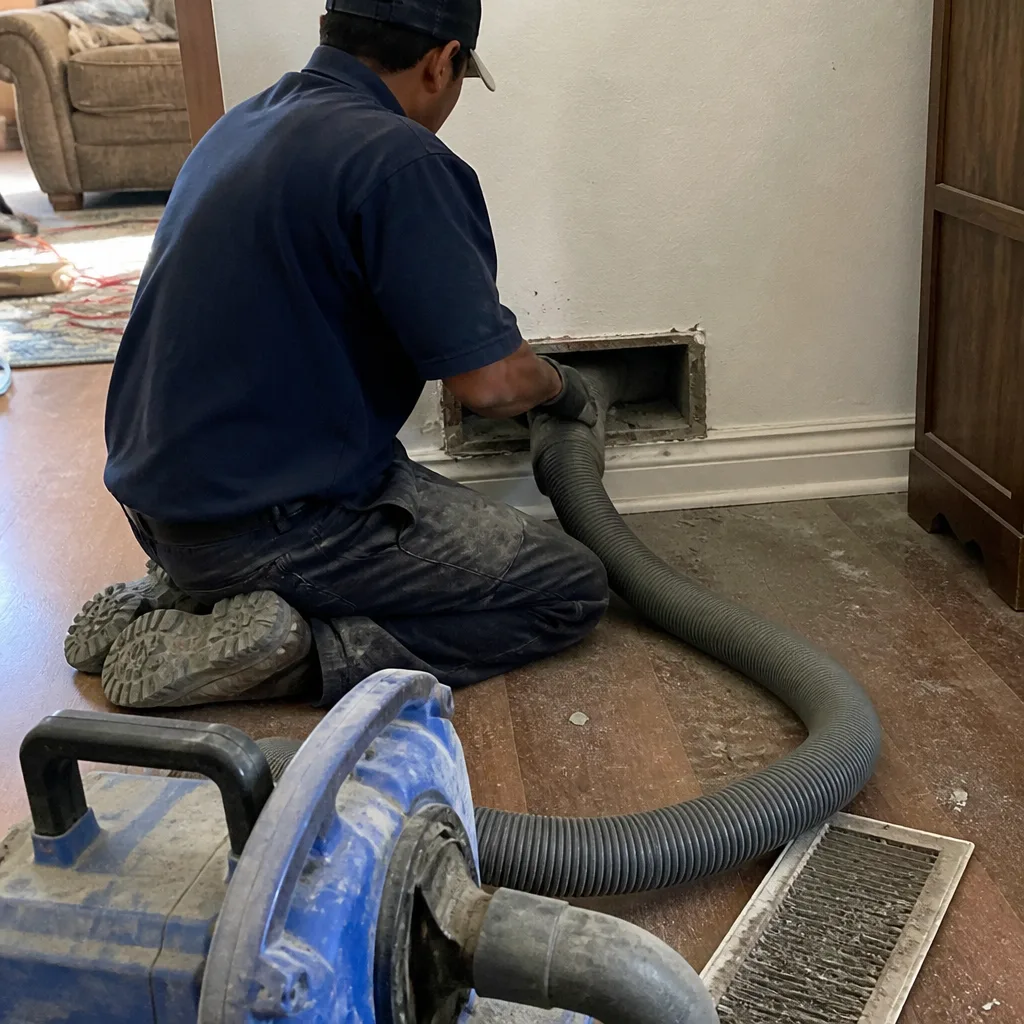 Before
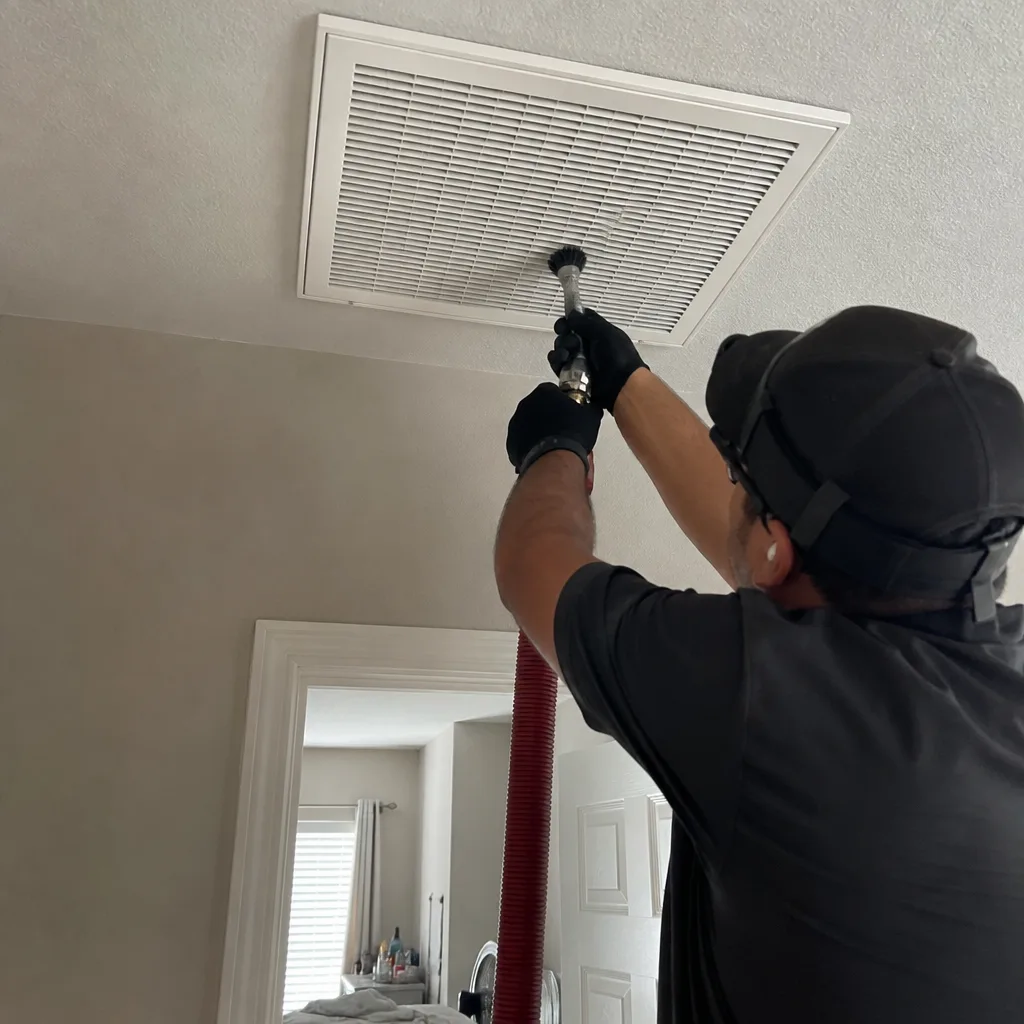 After
AfterReplacement Cost & What’s Included
Coil cleaning in Houston runs $180 to $420 installed, and the range comes down to three things: how accessible the coil is, how dirty it is, and whether the system needs a full pull-and-clean or an in-place cleaning. An in-place cleaning with a foaming Honeywell-compatible cleaner and a condensate-safe rinse covers most coils under 5 tons. A pull-and-clean on a badly neglected coil means evacuating the refrigerant, pulling the coil, cleaning it at the van, reconnecting, pulling a vacuum, and recharging the system. That’s the upper end of the range, and it’s specialized work.
Every coil cleaning we do in Houston includes a written price before work starts. That price covers the cleaner, the rinse, drain pan cleaning, a drain line check, and before-and-after photos of the coil itself. We don’t quote one number on the phone and “discover” more problems once the access panel is off. If the coil is beyond saving, we stop and show you exactly what we’re seeing before proposing a replacement number. No one at Hollis touches a refrigerant circuit or an electrical panel without the right training, and we say so plainly if your Honeywell system’s issue is a mechanical failure rather than accumulated grime.
DIY or Call Us?
You can safely check a few things without anyone’s help. Look at the coil from the air handler access panel with the system off. See dirt? Change the filter more often. Hear a hissing or gurgling at the coil? That’s a refrigerant flow issue, not dirt, and no can of coil cleaner will fix it. The DIY coil cleaning products at hardware stores are mostly cosmetic. They strip loose surface dirt but leave the compressed mat of dust and biofilm that actually matters on Honeywell coils in Houston’s humidity.
The bigger risk with DIY coil cleaning is collateral damage. Oversaturating a coil with cleaner melts the drain pan if it’s the wrong chemical. Pressing hard on fins to “scrub” them folds them flat and kills airflow permanently. If the coil sits in a horizontal configuration in a tight attic, which it does in thousands of Houston homes, the access angle alone makes a proper cleaning a two-person job. Call us at (713) 936-5800 and we’ll give you a straight answer on whether your Honeywell coil needs cleaning, and what it’ll cost.
FAQs
Most Honeywell coil cleanings take 60 to 90 minutes from setup to final photos. A pull-and-clean on a badly loaded coil can run 3 to 4 hours because of the refrigerant recovery and recharge steps. We’ll give you a time window in the written quote before the work starts.
Yes, in most cases. A coil with dirt, mold, or biofilm is a cleaning problem, not a replacement problem. Replacement only becomes necessary when fins are corroded, the coil is leaking refrigerant, or the drain pan is cracked. We’ll tell you which category yours falls into before recommending any work.
We carry Honeywell-compatible coil cleaning products and the standard tools for most residential Honeywell coils in Houston. For specialty jobs on older Honeywell coil styles, we may need to order a specific cleaner. We’ll let you know before scheduling the visit.
If your coil re-fouls within 365 days due to our cleaning process or we missed a section on the job, we return and re-clean it at no charge. That includes a free second visit. The promise is in writing on every work order, and it’s the same guarantee we’ve operated under since 2004.
Clean air doesn’t announce itself – you just stop noticing the problem. If the problem is a Honeywell coil that hasn’t been cleaned since before anyone remembers, call (713) 936-5800. We’ll give you a written price, a real appointment window, and straight answers. That’s the job.
Written by Roy Castellanos, Owner, Hollis Air Duct Houston at Hollis Air Duct Houston, serving Houston and nearby areas.