
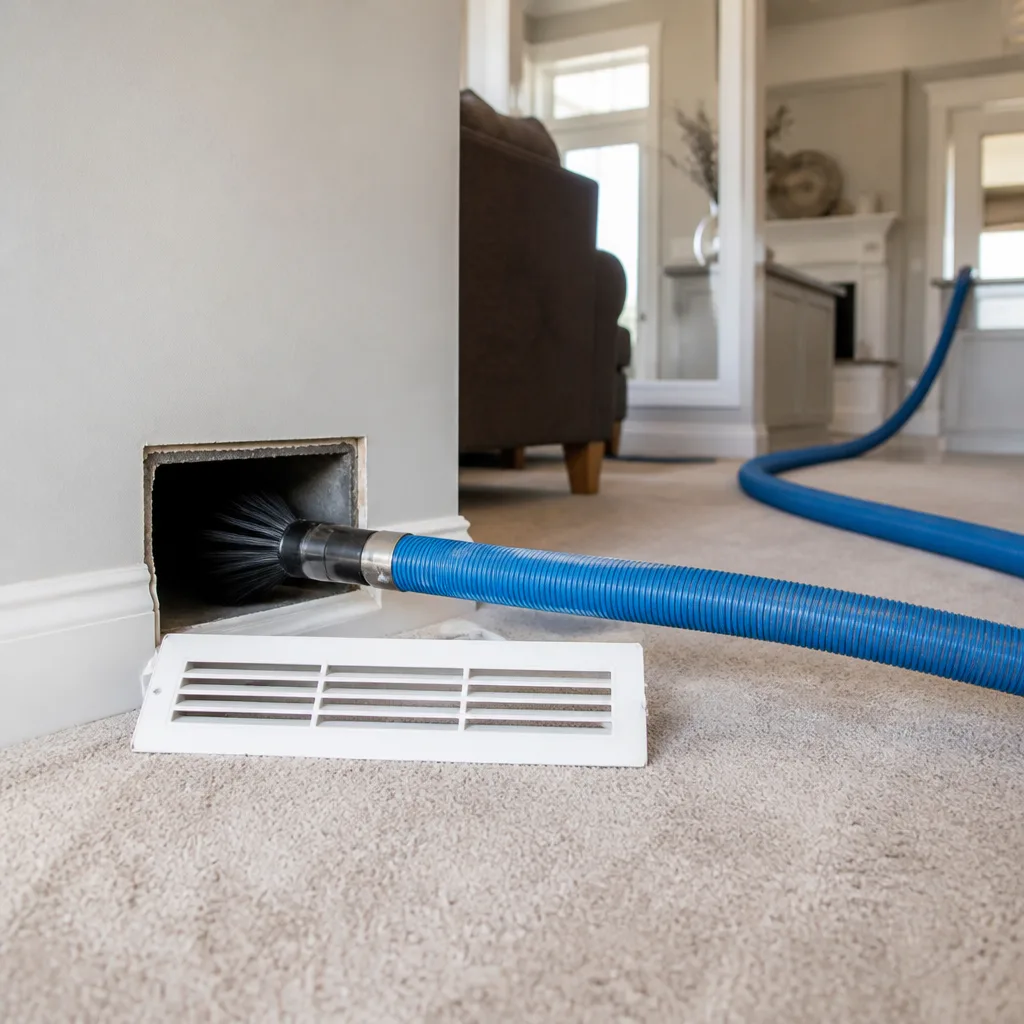
 Whole-home duct cleaning
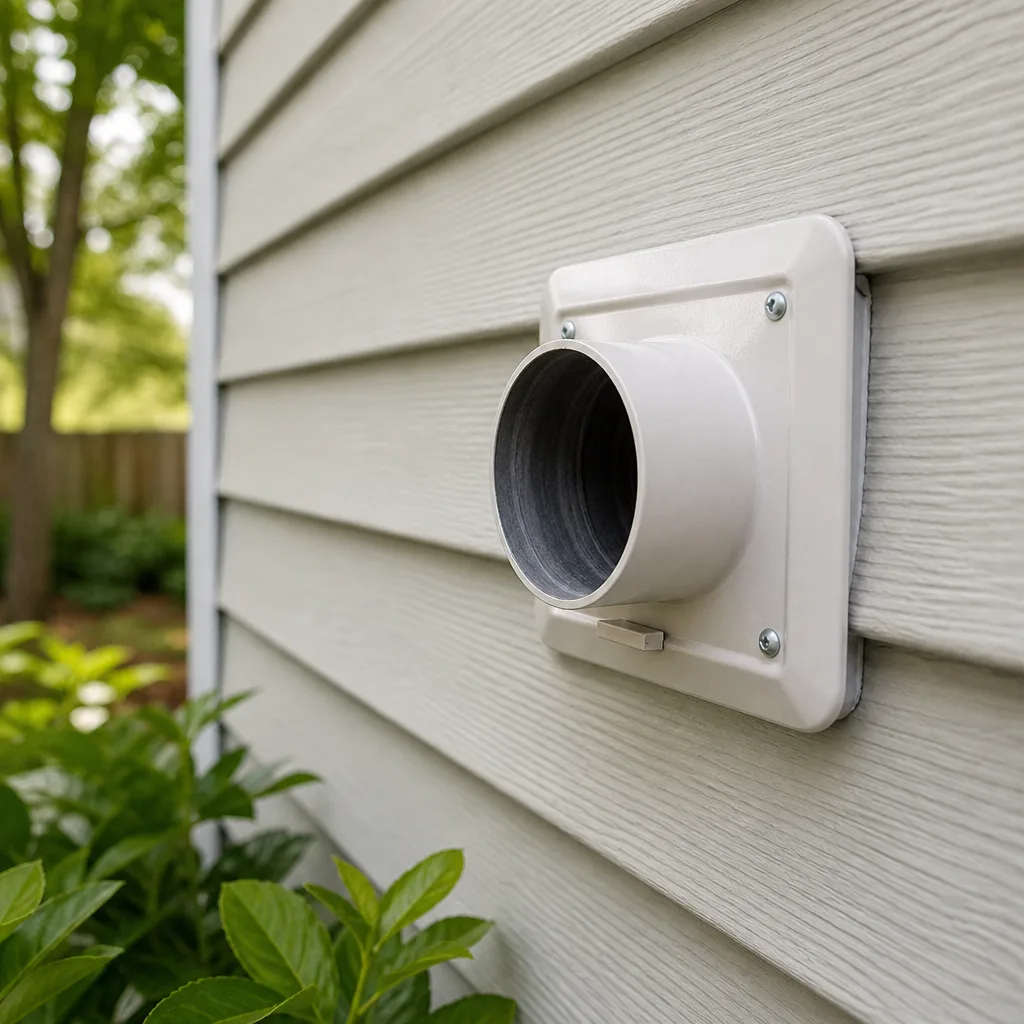 Dryer vent cleaning
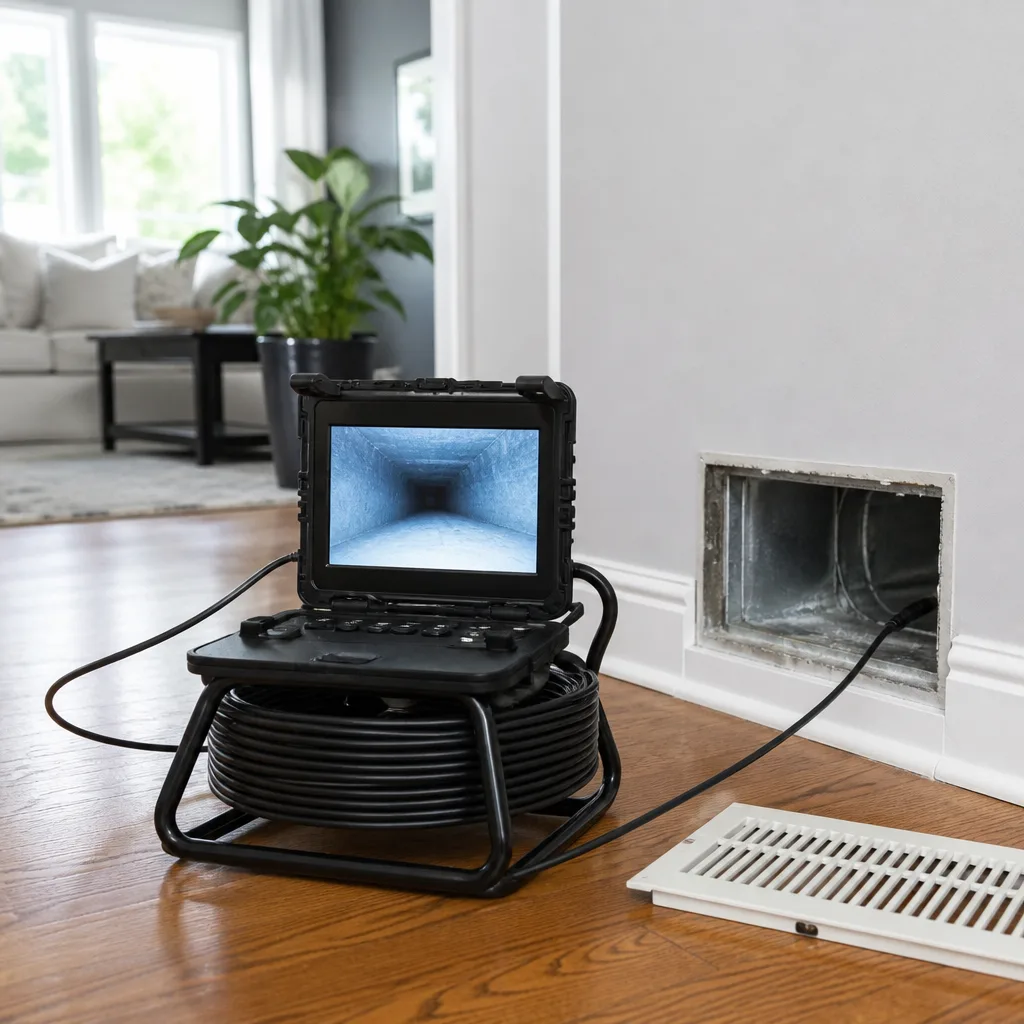 Camera inspection
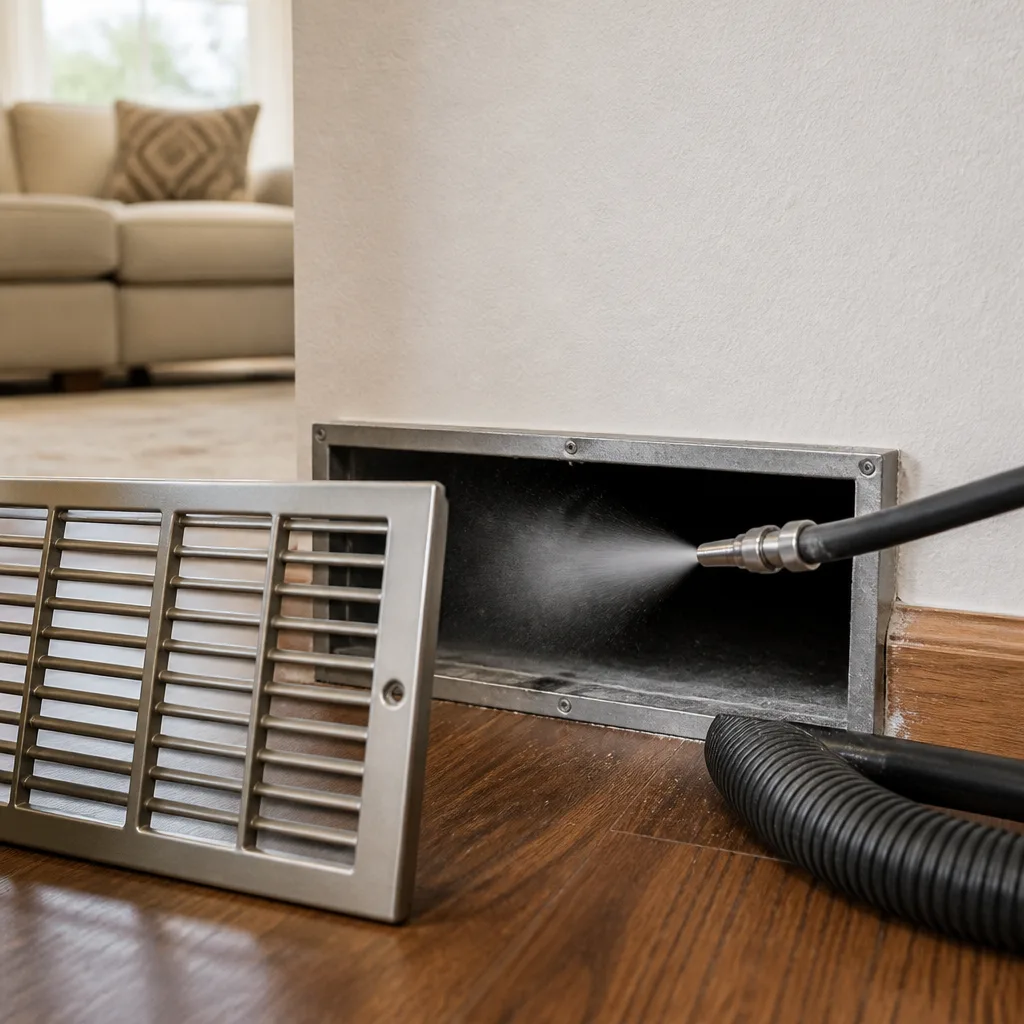 Sanitizing & deodorizing
Whole-system duct and dryer vent check with before-and-after photos - you see exactly what came out of your vents
That "$99 whole-house special" is a bait ad - the real number appears once they are in your hallway, or the "clean" is a shop-vac at the register. We photograph the inside of your ducts before and after instead.
Abatement Technologies Vent Sanitizing: The Houston Owner’s Guide
We stock and install Abatement Technologies-compatible vent sanitizing components for Houston homes, with a typical installed price range of $340 to $680 depending on your unit’s model line and what failed. Most jobs are completed in a single visit once we confirm the part match. Owners usually discover a failure the same way: the sanitizing indicator stops firing, the unit cycles without producing sanitizing output, or a faint burning scent appears near the air handler during a sanitizing cycle.
If your Abatement Technologies unit has stopped sanitizing the airstream, the problem is rarely the whole system. It’s almost always one component. We’ve been working on these units across Houston long enough to know which parts fail first, which ones are worth repairing, and when replacement makes more sense than a patch.
Which Abatement Technologies Models This Applies To
Abatement Technologies builds vent sanitizing into several product lines, and the part you need depends on which line you own. The most common units we see in Houston homes are the Sanitizer series (SAN-100, SAN-200, SAN-400), the CleanZone air purification line, and the Benefect UV-C and photocatalytic oxidation (PCO) modules installed in-line with residential air handlers. Each uses different sized sanitizing cells, bulb wattages, and ballast electronics. A SAN-100 bulb will not seat correctly in a SAN-400 housing, even though both look similar at a glance.
Look for the model plate on the unit’s housing, usually on the side opposite the access door. The part number you need for the sanitizing stage is printed separately, not just the unit model. Match both. We’ve had Houston homeowners bring us units where someone sold them the right brand but the wrong spec, and the cell runs but doesn’t sanitize properly because the wattage is off. If you can’t read the label, we check it on-site before anything gets ordered or installed.
On OEM versus aftermarket: for Abatement Technologies sanitizing cells and UV-C lamps, we recommend OEM whenever the unit is still under warranty or less than four years old. For older systems, a quality aftermarket cell from a manufacturer that matches the exact wavelength and power spec works reliably and costs less. We don’t install no-name parts that claim compatibility but run at different output levels. It defeats the purpose of the sanitizing stage.
For the record: Hollis Air Duct Houston is an independent service provider. We are not affiliated with Abatement Technologies, but we stock and install their compatible parts routinely alongside Lennox, Trane, and Carrier components.
Styles & brands we work with
Signs Your Abatement Technologies Vent Sanitizing Is Failing
- Sanitizing indicator bulb stays dark or flickers during a cycle. The UV-C lamp has reached end of life or the ballast is no longer holding steady current. UV-C lamps on Abatement Technologies residential units typically run 9,000 to 14,000 hours, which translates to roughly 12 to 18 months of continuous use in a Houston system that runs hard through summer.
- Faint electrical or ozone-like smell near the air handler when the sanitizer runs. This usually points to a failing ballast or a cracked lamp housing. Houston’s humidity accelerates corrosion on electrical contacts, especially in attics where most air handlers sit. We see this more in older construction around the Energy Corridor, where duct runs are long and attic temps regularly hit 130°F in August.
- The unit powers on but airflow resistance increases or the system gets louder. A dirty or damaged PCO cartridge restricts airflow. When the catalyst surface is spent or caked with Houston’s fine particulates, the blower works harder. You’ll notice it as a change in sound before you notice any performance drop.
- The HVAC system runs normally but dust and allergy symptoms return after months of relief. The sanitizing stage is silent, so failure shows up as a return of the problem it was solving. We hear this from Houston homeowners in the spring, when oak and cedar pollen hammer the air and a dead sanitizer offers no help.
- Visible damage to the unit housing, wiring, or bulb. Houston’s heat plus attic vibration loosens connections over time. A bulb that’s cracked, blackened at the ends, or a housing that shows scorch marks means replacement, not repair.
See the difference
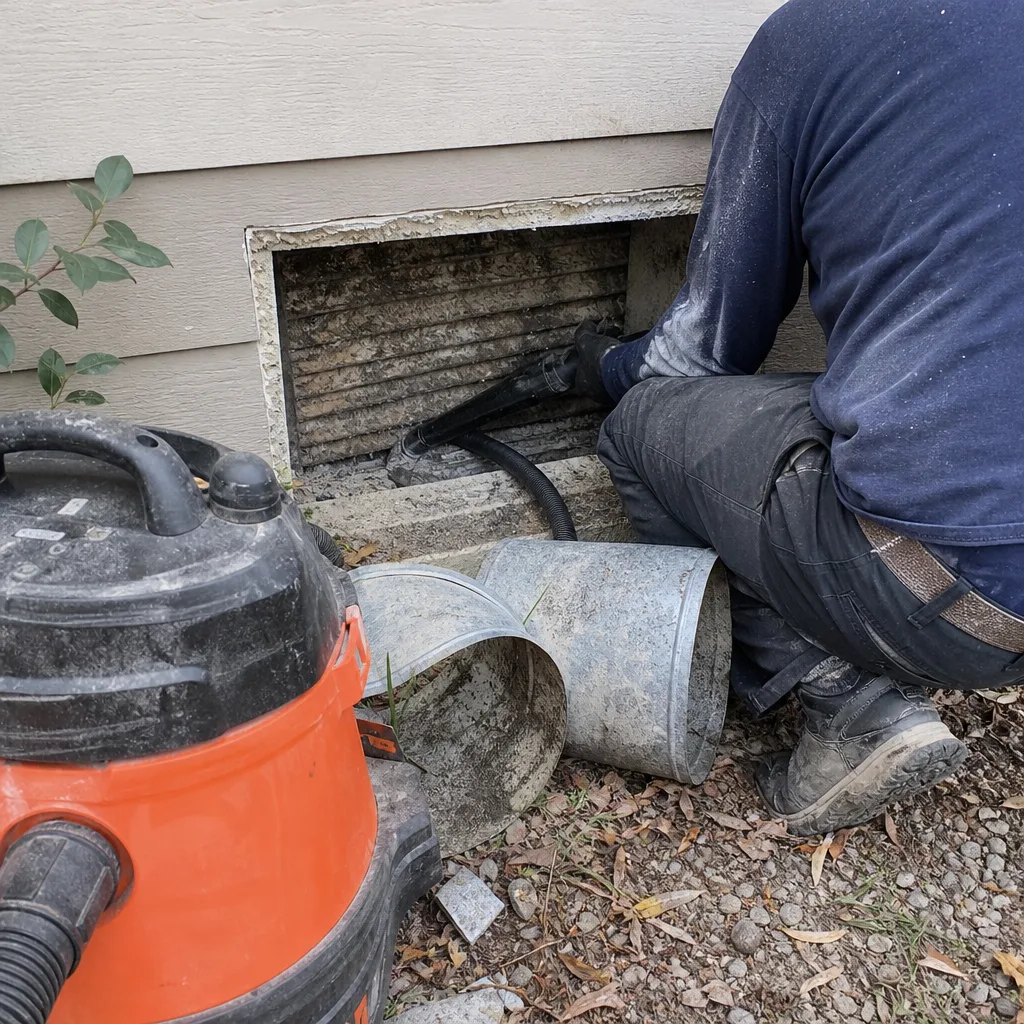 Before
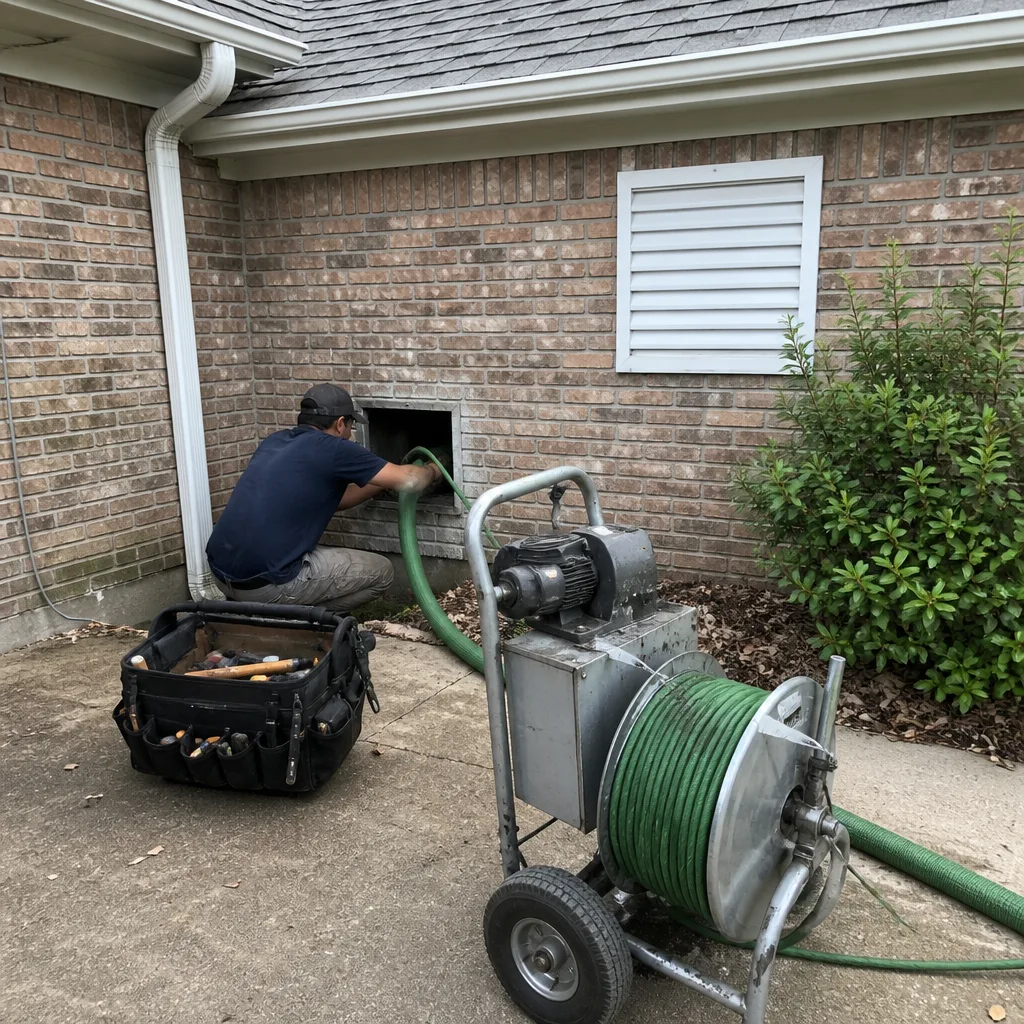 After
After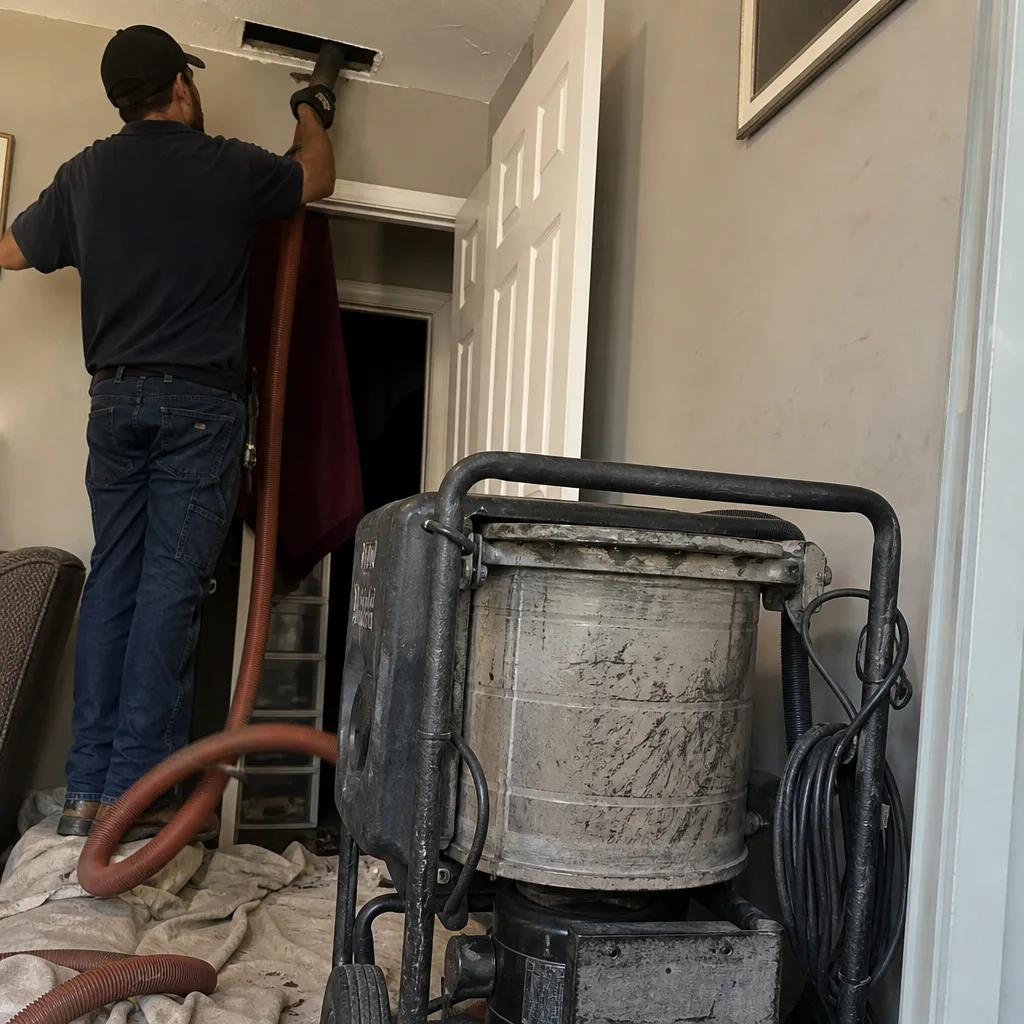 Before
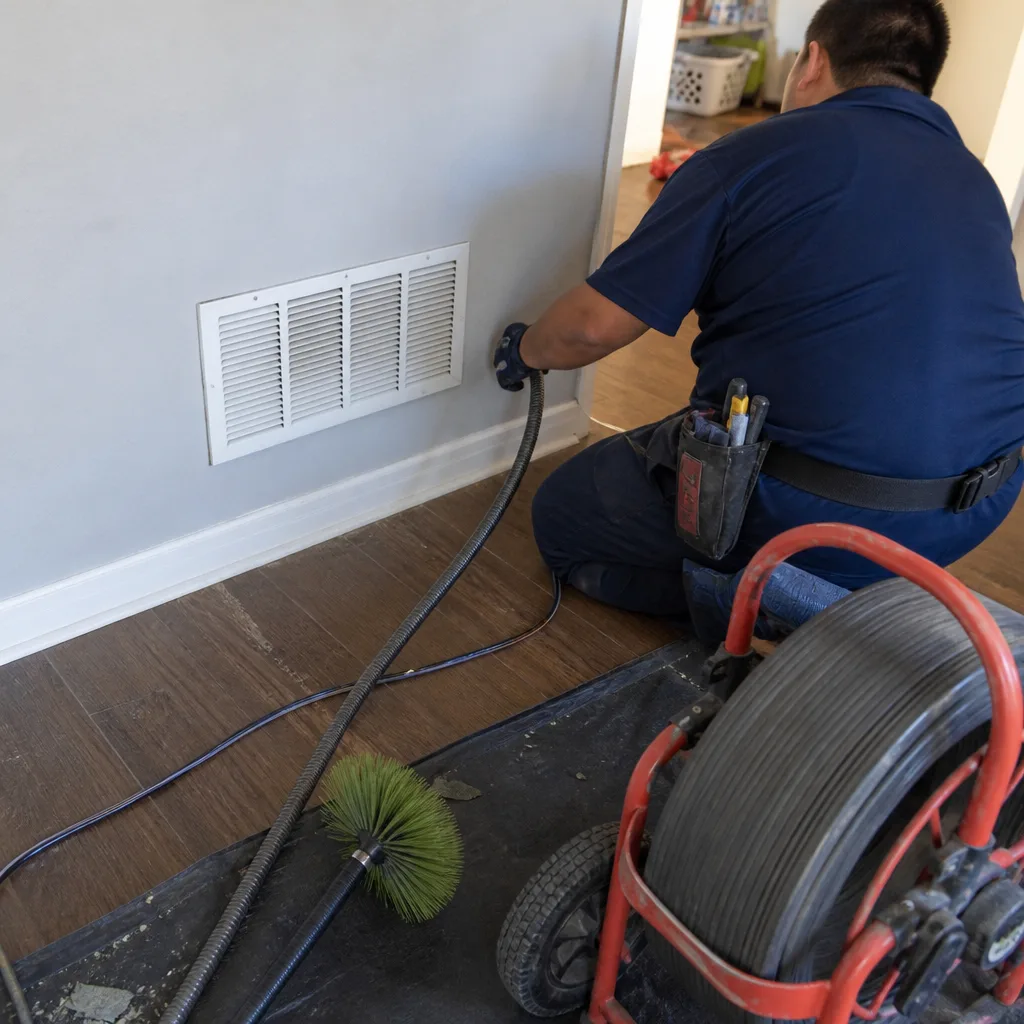 After
After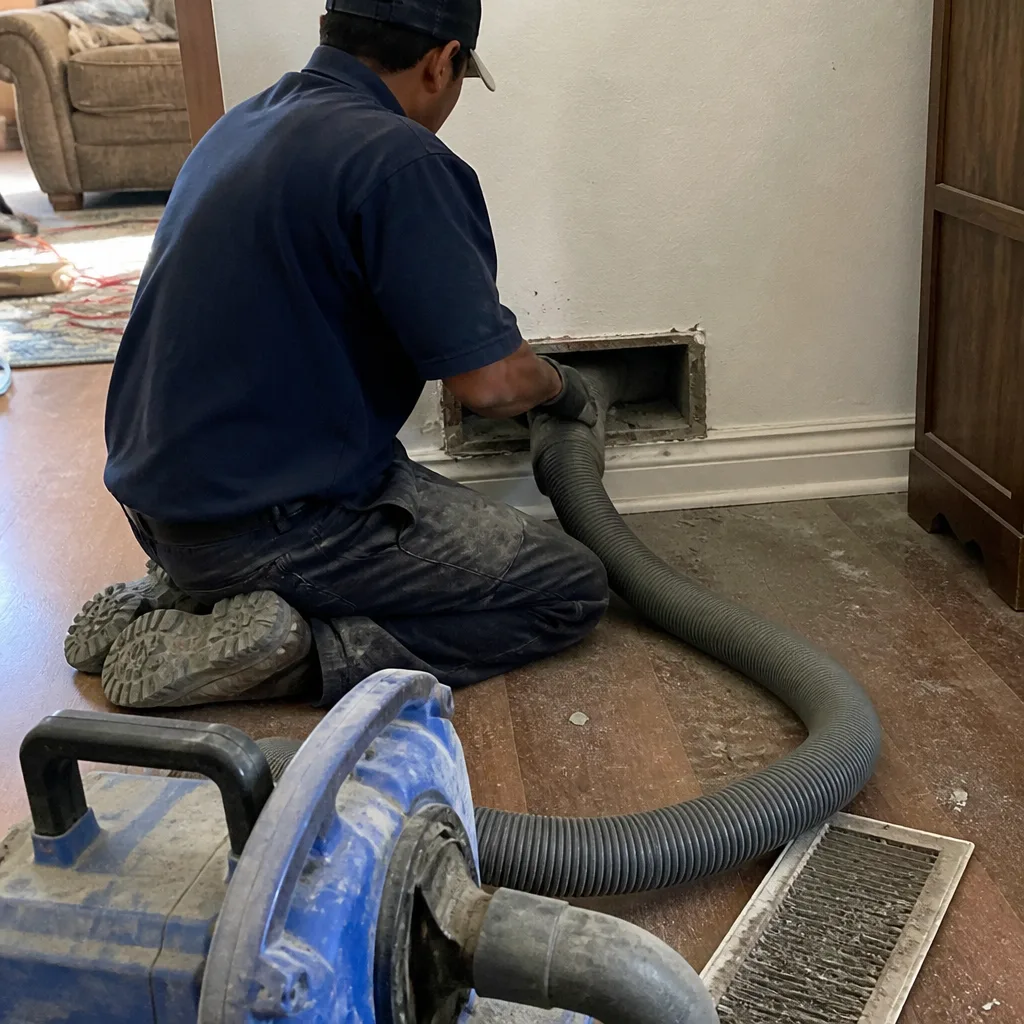 Before
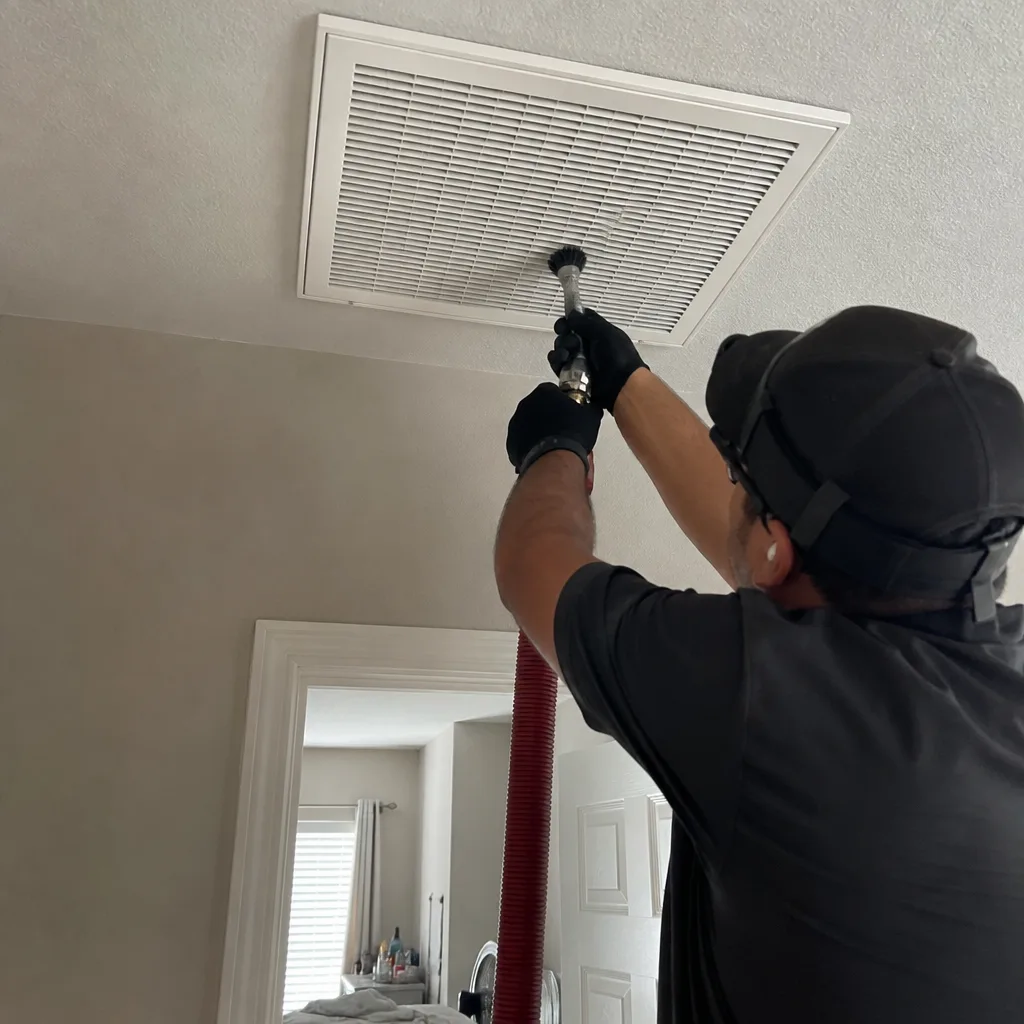 After
AfterReplacement Cost & What’s Included
Here’s the straight pricing for Houston, no bait-and-switch. The range depends on your unit’s age and what actually failed.
- UV-C lamp replacement only (bulb): $120 to $240 installed, including the lamp, labor, and disposal of the old bulb.
- Ballast replacement: $180 to $320 installed, depending on whether we’re matching OEM or a quality aftermarket ballast with the same power spec.
- Complete sanitizing cell or PCO cartridge replacement (SAN series): $340 to $680 installed, including the full component, mounting hardware if needed, and verification that the system fires correctly before we leave.
- Full system diagnosis when you’re not sure what failed: $89, waived if you proceed with the repair.
Every job gets a written price before we touch anything. That price does not move at the door. The labor and the part are covered by our 365-Day Done Right Promise: if the component fails within a year, we come back and make it right at no charge, including a second visit at no cost. That’s not a “satisfaction guarantee” with fine print. It’s what we’ve done since 2004, and it’s written on every invoice.
DIY or Call Us?
You can confirm some things safely: check that the unit is getting power, look for a visibly blackened or cracked bulb, and verify that the indicator light is actually dead. That’s about where the safe zone ends.
Here’s the honest reality from Roy Castellanos, who’s been servicing Houston homes for well over a decade: UV-C and PCO sanitizing components are not a safe DIY repair. A UV-C lamp runs on high voltage from the ballast, and improper handling of a live ballast can shock you. UV-C exposure to skin and eyes causes burns, even in short bursts. The lamp also contains mercury, so mishandling a broken bulb is a health hazard in a confined attic space. We wear gloves and eye protection and follow disposal rules when we swap these. If the part is electrical, high-output, or inside the duct, call someone trained. Call us at (713) 936-5800 and we’ll get it handled without you climbing into a 130°F Houston attic.
FAQs
A UV-C lamp lasts roughly 9,000 to 14,000 hours of use, which in a Houston system that runs 8+ hours a day through summer works out to 12 to 18 months. The ballast usually outlasts the first bulb but fails somewhere in the 3 to 5 year range. PCO cartridges last 2 to 3 years depending on air quality in your neighborhood. Our take: if you’re in year two or beyond and haven’t replaced anything, plan for it. Call (713) 936-5800 and we’ll check the unit without pressure to buy.
Some ballast issues can be repaired with a new capacitor or wiring harness, and we’ll do that when it’s safe and makes financial sense. A burned-out UV-C lamp or a spent PCO cell cannot be repaired; those are replacement-only parts. We’ll tell you which one you have before we order anything, and the written price covers exactly what we discussed.
Most replacements take 45 to 90 minutes on-site, assuming the part is on our truck or confirmed before we arrive. If we need to order a specific OEM part for your model, we’ll schedule the install once it’s in hand. Either way, the price is written before the work starts, and we don’t leave until the unit fires correctly and the site is clean.
Yes. We stock the most common SAN-series lamps, ballasts, and PCO cartridges on the truck, along with compatible parts for Lennox, Trane, and Carrier systems so we can diagnose and complete most jobs in one trip. For less common part numbers, we order OEM before we schedule your install. Call (713) 936-5800 with your model number and we’ll confirm availability while you’re on the phone.
Clean air doesn’t announce itself – you just stop noticing the problem.
Written by Roy Castellanos, Owner, Hollis Air Duct Houston at Hollis Air Duct Houston, serving Houston and nearby areas.