
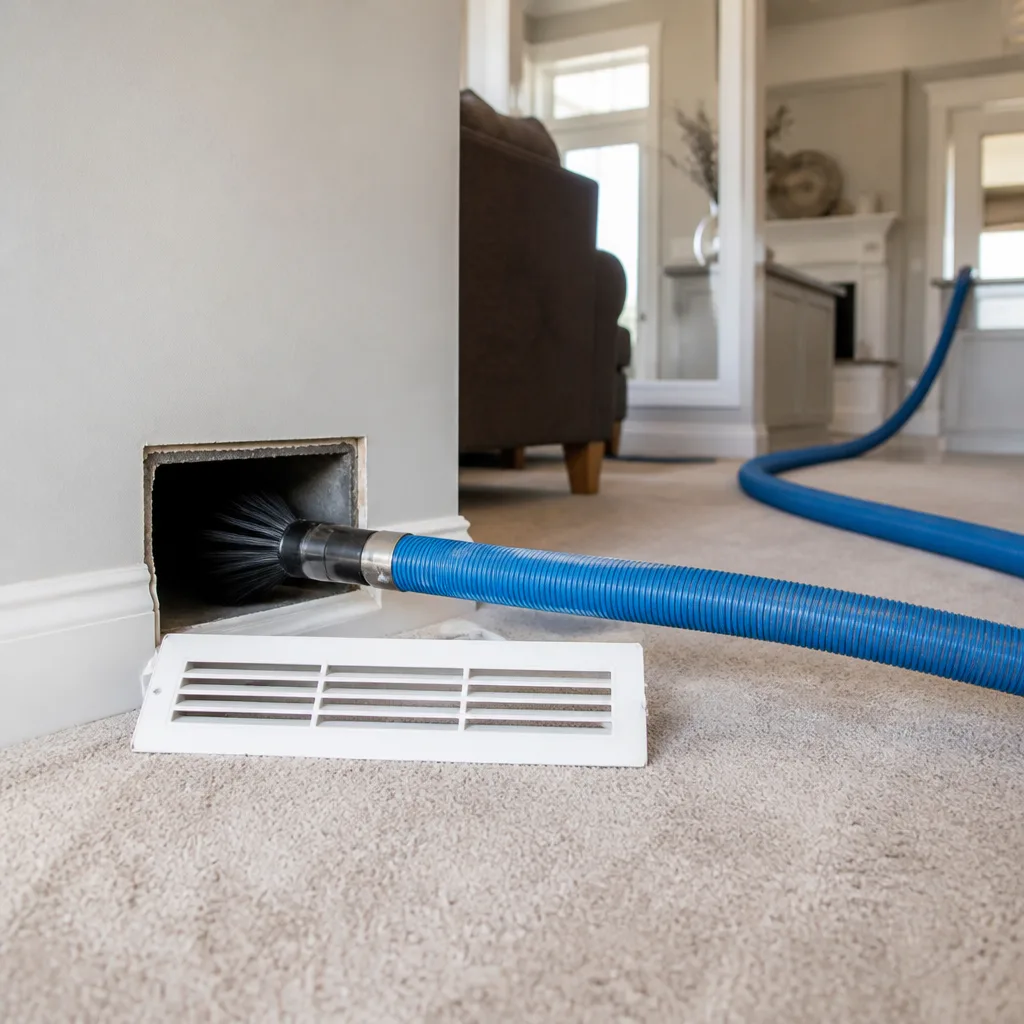
 Whole-home duct cleaning
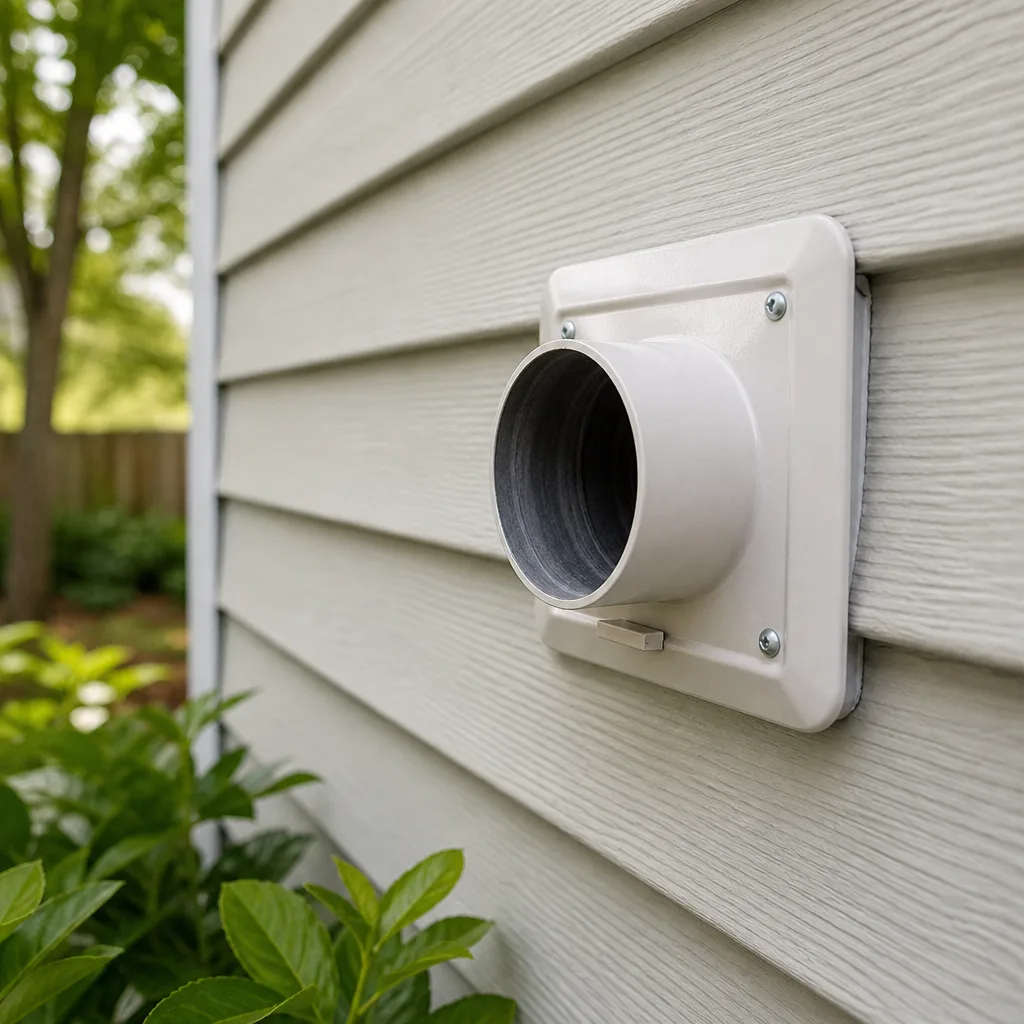 Dryer vent cleaning
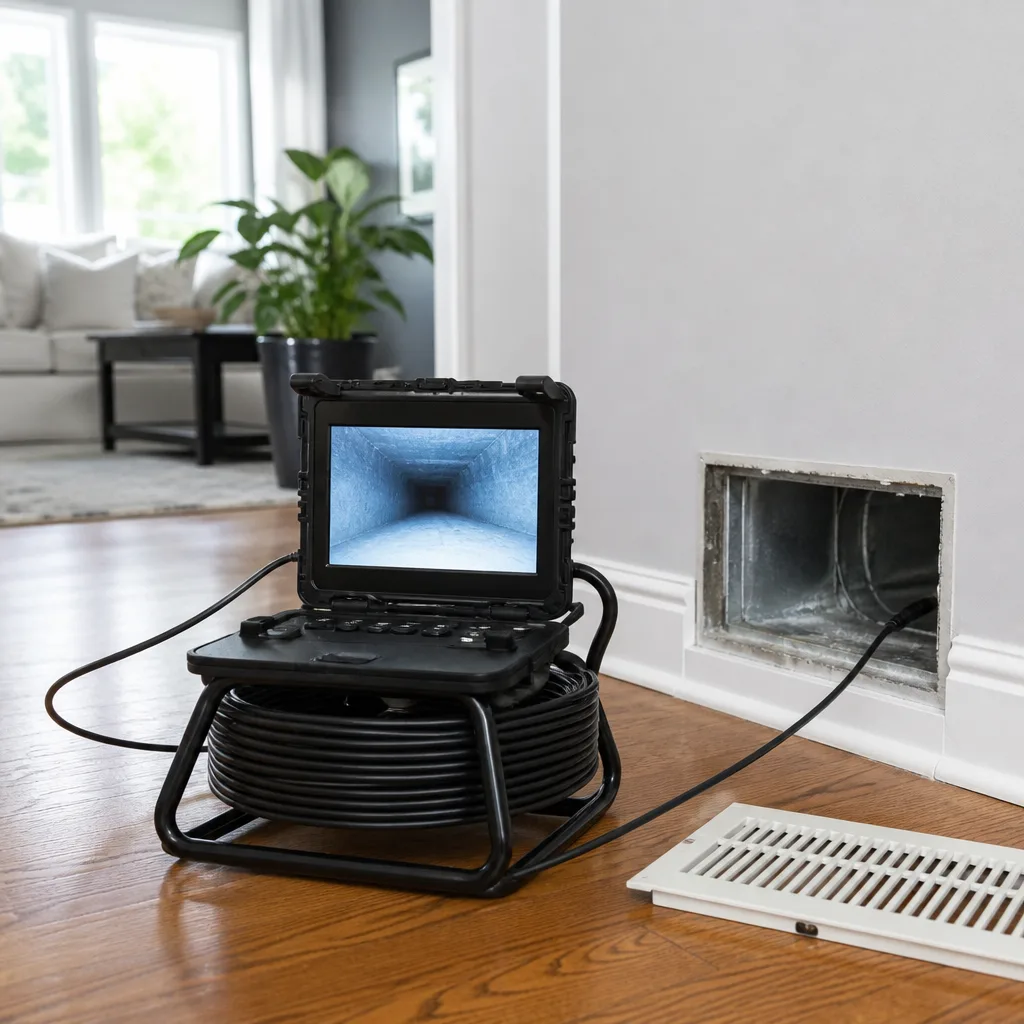 Camera inspection
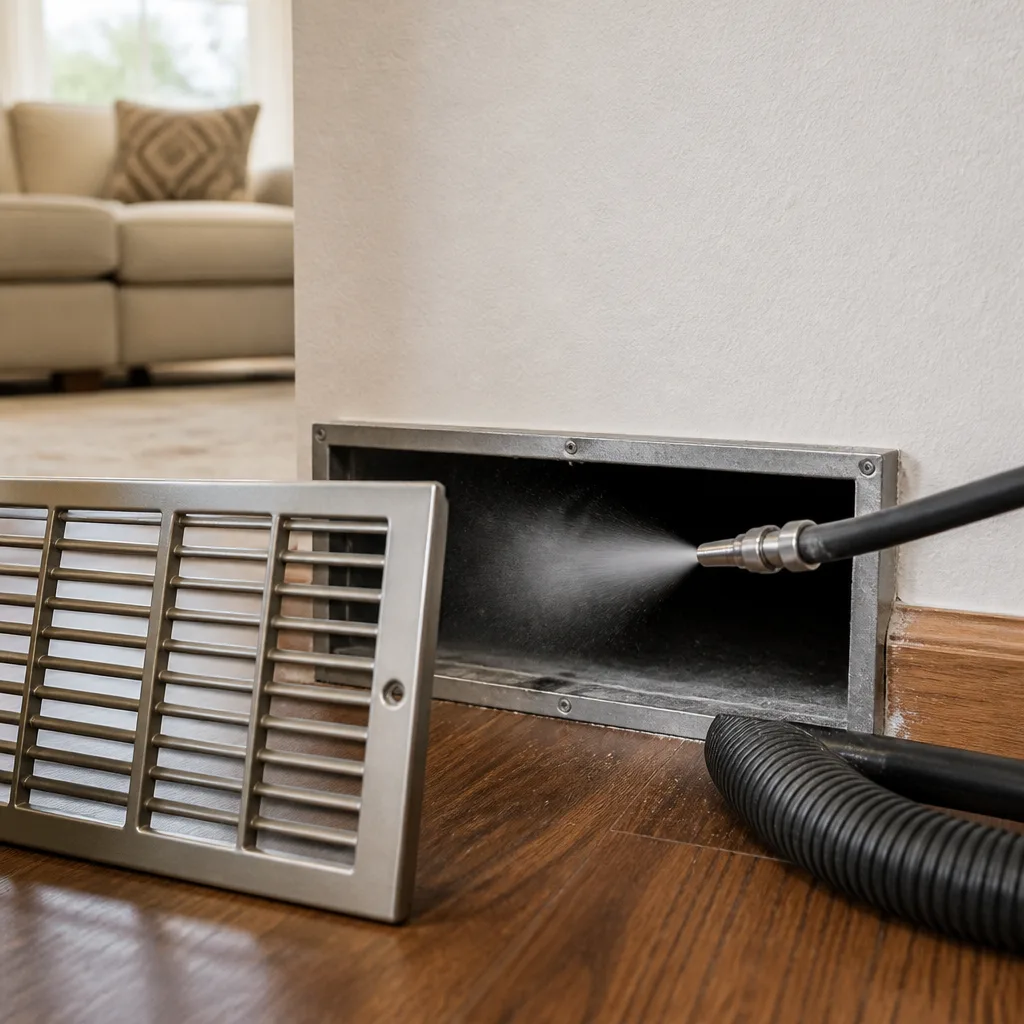 Sanitizing & deodorizing
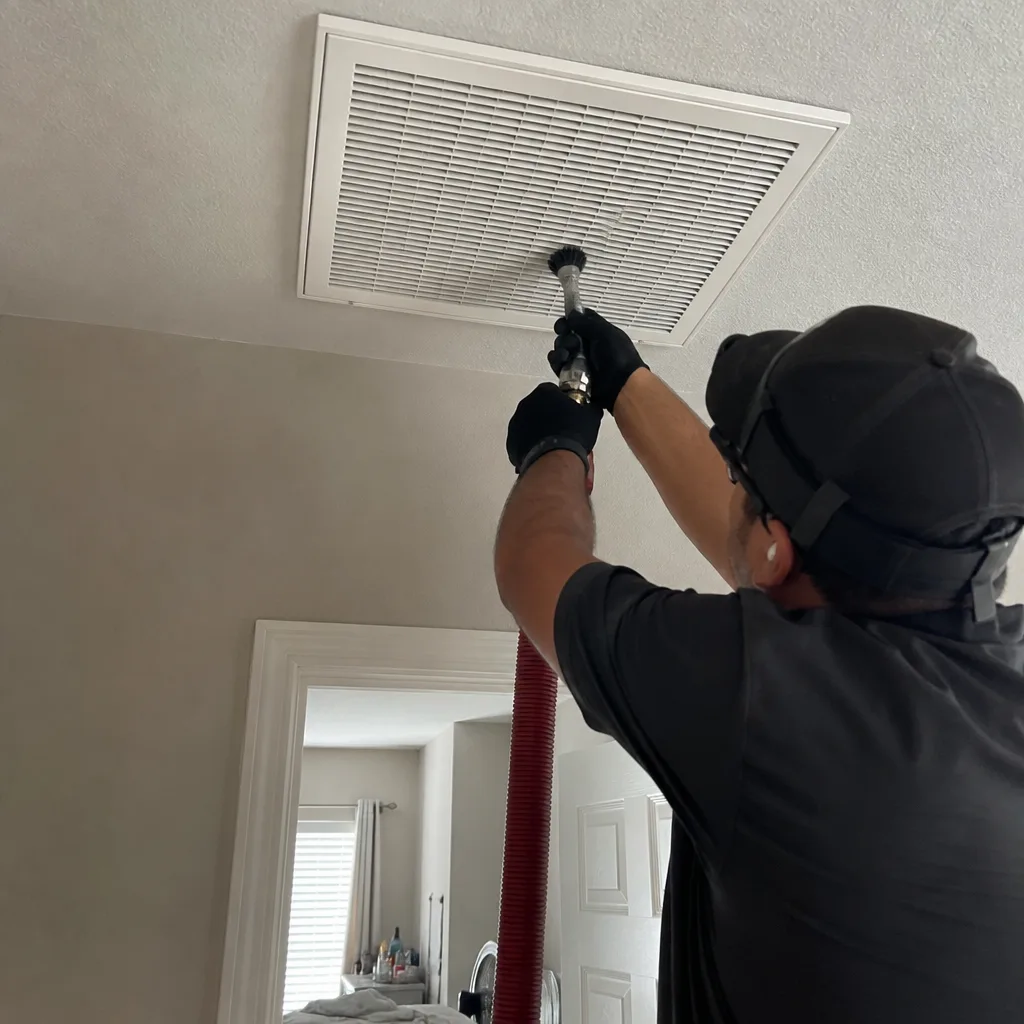
Whole-system duct and dryer vent check with before-and-after photos - you see exactly what came out of your vents
That "$99 whole-house special" is a bait ad - the real number appears once they are in your hallway, or the "clean" is a shop-vac at the register. We photograph the inside of your ducts before and after instead.
Abatement Technologies Register & Grille Cleaning: The Houston Owner’s Guide
We stock and install Abatement Technologies-compatible register and grille cleaning components for Houston homes, with most jobs running between $85 and $240 per register depending on size, finish, and whether we’re doing a deep clean or a full replacement. Most owners call us after noticing one of two things: a register that’s caked with dust that won’t wipe clean, or a grille that’s warped, bent, or rattling every time the system kicks on. If you’ve got an Abatement Technologies system that’s pushing air through tired, clogged registers, you’ll feel the difference the same day we finish. The registers and grilles on your walls and floors aren’t decorative trim; they’re the final gate on every cubic foot of air your system moves, and in Houston’s humidity, that gate gets gummed up fast.
Here’s the reality of what these parts do: your Abatement Technologies system pulls return air in through grilles, passes it through filtration, then pushes it back out through supply registers. When either one is choked with dust, pet hair, or the sticky film that Houston’s humid air leaves behind, your system works harder to move less air. That’s higher utility bills and a house that never quite feels even. Roy Castellanos has pulled registers out of Houston homes that looked like they’d been dipped in felt, and the fix starts with knowing what you have.
Key Takeaways:
- Most Abatement Technologies register and grille cleaning jobs in Houston run $85 to $240 per register, cleaned or replaced.
- We carry OEM and quality aftermarket options, and we’ll tell you honestly when a deep clean beats a replacement.
- Written pricing before we start, covered by our 365-Day Done Right Promise.
- Call (713) 936-5800 and a live person answers, day or night.
Which Abatement Technologies Models This Applies To
Abatement Technologies builds negative-air and HEPA-filtered air scrubbers for the commercial and residential market, and the register and grille components on these units are not universal. The most common residential-compatible lines we service are the Predator, HEPA-AIRE, and CAP Series, though we also work on older Abatement units where the original grille has long since been discontinued. Here’s the gotcha most Houston homeowners run into: Abatement Technologies uses both 12″ and 14″ nominal grille sizes on their portable scrubbers, and a register that fits one model line will not seat correctly on another. The difference is a full two inches on the mounting face, and forcing a mismatched grille strips the housing screws and leaves air gaps that whistle.
When you look at your unit, find the data plate on the side or back panel. It lists the model and serial number, and that tells us exactly which grille assembly we need. If the plate is worn off, we measure the opening and the screw spacing, which is either 10.75″ or 12.75″ center-to-center on the residential-grade Abatement housings we see in Houston.
On the OEM versus aftermarket question: Abatement Technologies’ own replacement grilles are well-built and match the unit’s airflow engineering, but they’re priced accordingly and occasionally backordered. We stock quality aftermarket equivalents from a supplier we’ve used for years, and for most Houston homes the aftermarket option is the better call: same gauge steel, same powder-coat finish, and usually available the same week. When a customer has a newer unit under warranty, we recommend staying with OEM to keep that warranty clean. We’ll show you both prices in writing before any work starts.
Styles & brands we work with
Signs Your Abatement Technologies Register & Grille Cleaning Is Failing
- Dust buildup that returns within days of cleaning. If you wipe a register and it’s coated again by Friday, the grille isn’t the problem; it’s the duct behind it. In Houston, where systems run nine months out of the year, the grille acts as a catch point for everything moving through the return path. That grille may need a deep clean or the duct cleaning behind it needs to happen first.
- Visible rust or corrosion on the grille face. Houston’s humidity does this. When steel grilles sit in a bathroom, laundry room, or near a kitchen that steams, the powder coating eventually fails and rust creeps through. Once corrosion is visible, cleaning won’t restore it; replacement is the fix.
- Bent fins or broken louvers. These get stepped on, hit with vacuum cleaners, and kicked by kids. Bent louvers restrict airflow and make the register whistle. Straightening them by hand weakens the metal, and they’ll go crooked again within weeks. We see this most often in hallways and high-traffic rooms.
- A rattle or hum when the blower runs at higher speeds. Loose mounting screws or a grille whose frame has warped will vibrate against the drywall or the housing. That hum is the register telling you its mounting points are failing. Tightening helps temporarily, but Houston homes with older construction often need the register reseated with new anchors.
- Inconsistent airflow between rooms. When one register in the house is clogging faster than others, it’s usually the first sign of a collapsing flex duct or a filtration issue, not the register itself. But the register registers the problem first. We inspect the grille, the boot, and the first few feet of duct to isolate where the restriction actually lives.
See the difference
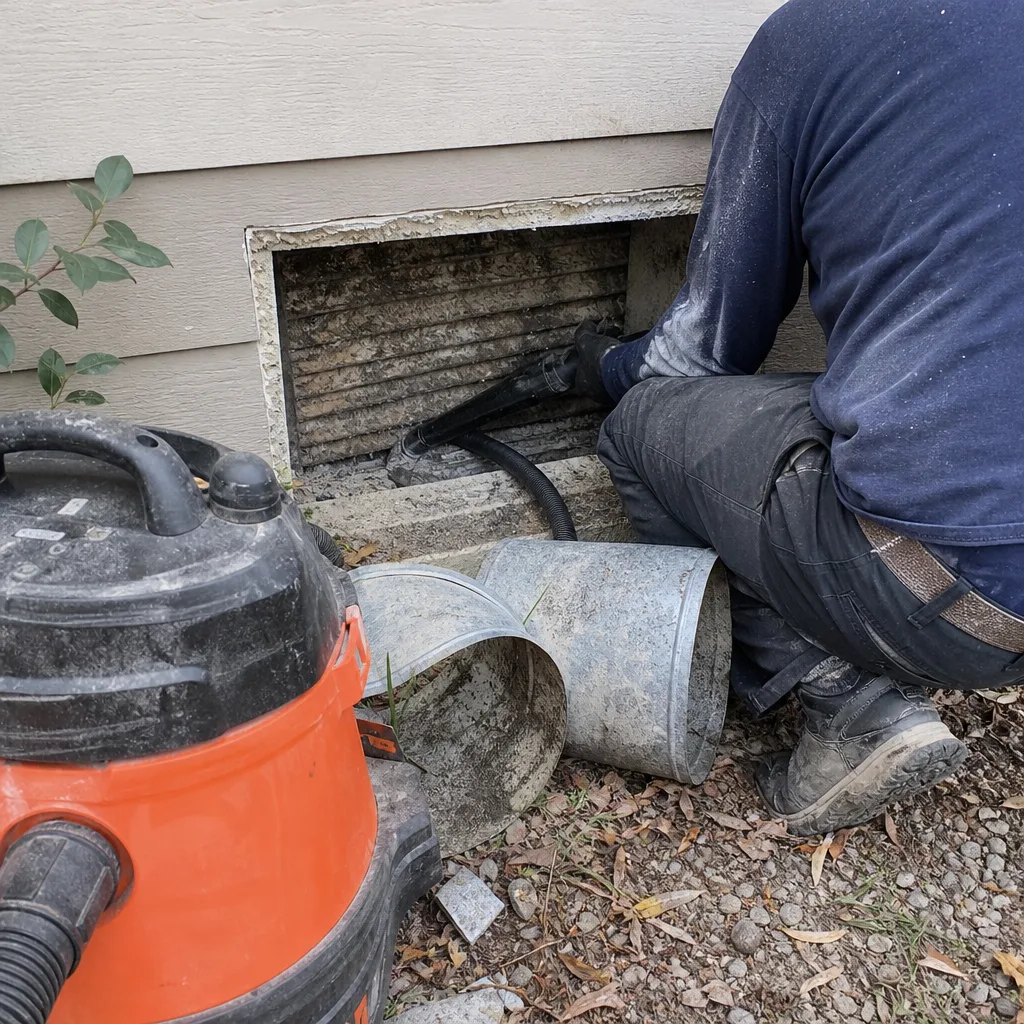 Before
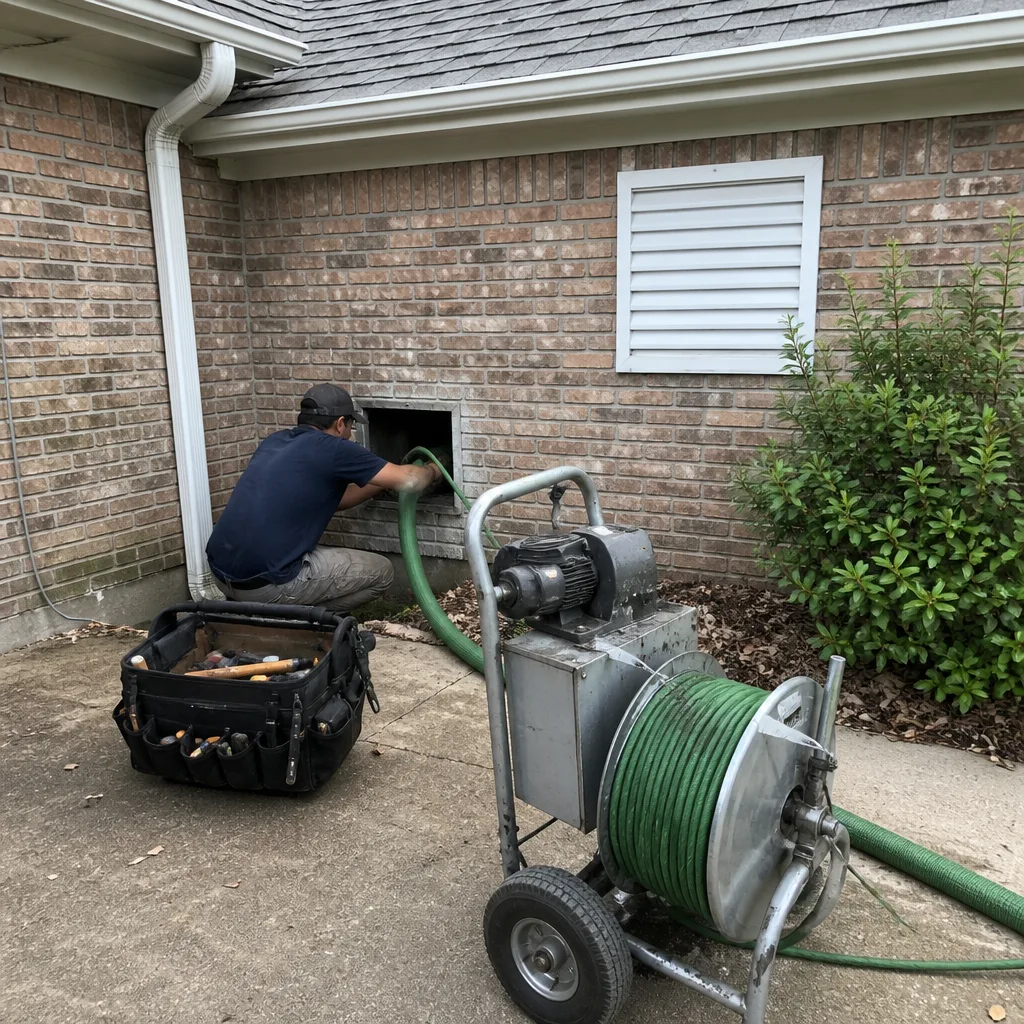 After
After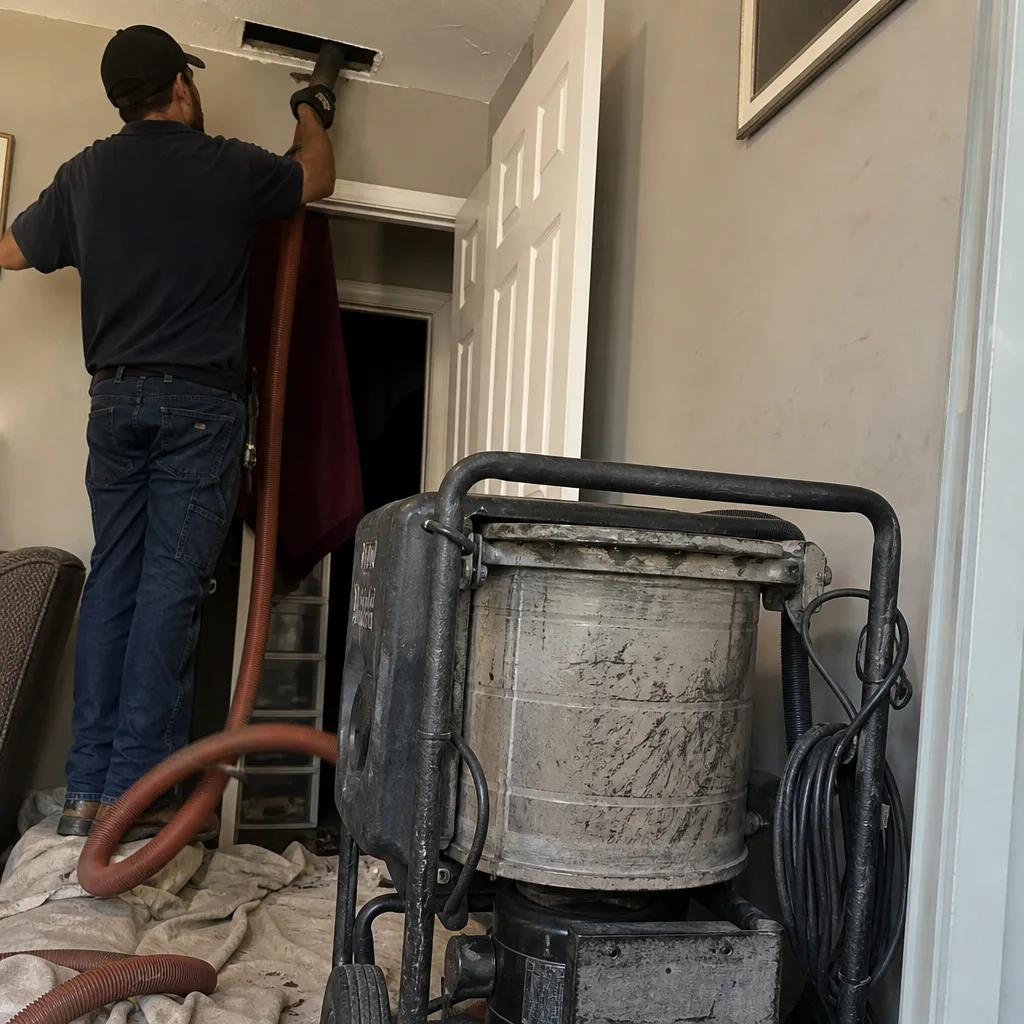 Before
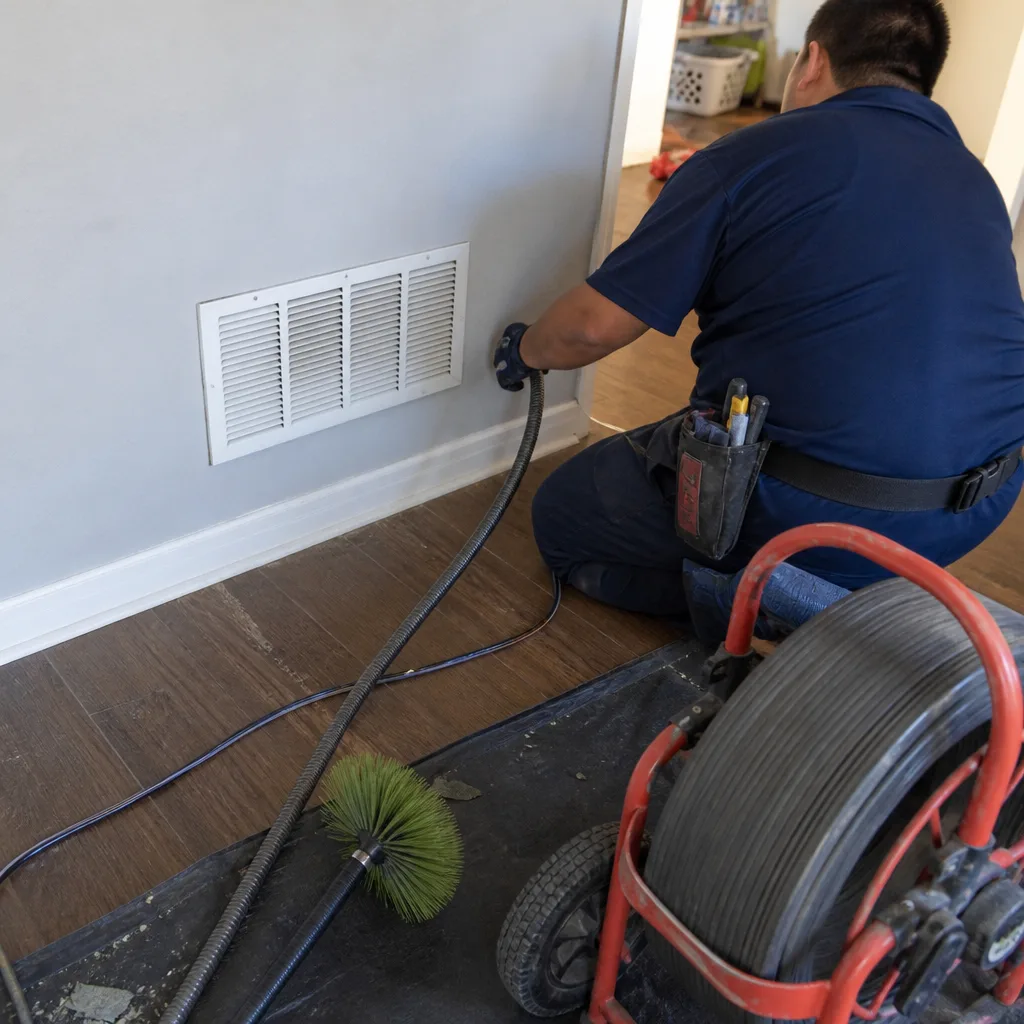 After
After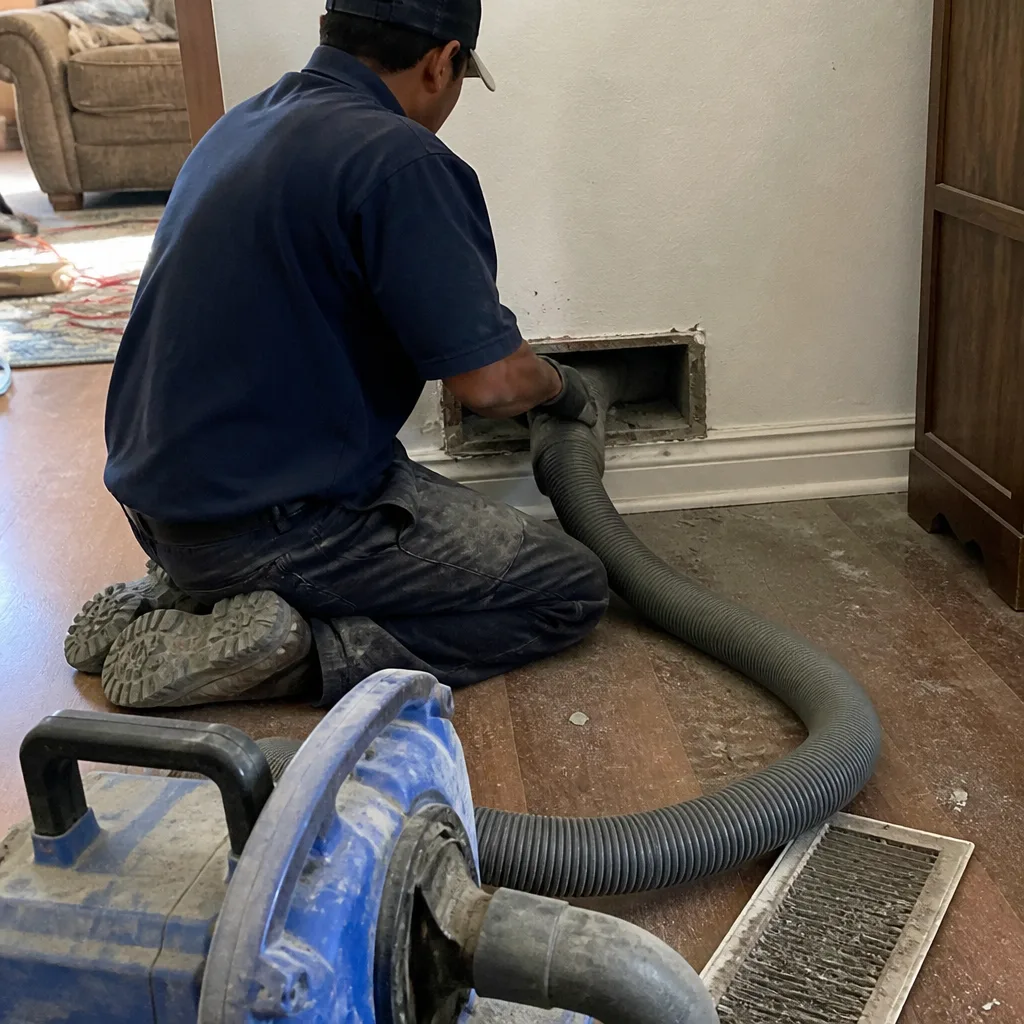 Before
 After
AfterReplacement Cost & What’s Included
In Houston, expect to pay $85 to $140 per register for a professional deep cleaning, and $120 to $240 per register when replacement is the right call. The range comes from three things: the register’s size, the finish you choose, and whether we’re replacing just the face or the face and the boot. A standard white 12″ supply register in the middle of the house is on the low end; a larger decorative floor register in a high-traffic living room with a custom finish runs toward the top.
Every quote we write in Houston is a flat price per register, agreed to before we start. That number includes the part, the labor, removing the old unit, cleaning the visible duct opening, sealing the new register, and hauling the old one away. No per-vent upsell once the van is in the driveway. The work carries our 365-Day Done Right Promise: if the register loosens, rattles, or the cleaning doesn’t hold for a full year, we come back at no charge. That’s written on every invoice, not implied.
Most Houston homes need between four and ten registers addressed in a single visit, and the per-unit price drops as the count goes up. We’ll quote the whole house before any work starts so you know the full number on the front end.
DIY or Call Us?
Cleaning a register is not dangerous, and if yours is simply dusty, here’s what you can safely do: remove the face plate, wash it in warm soapy water, let it dry completely, and vacuum the visible duct opening with a brush attachment. That’s honest upkeep, and we tell every Houston homeowner to do this twice a year, especially after our long humid stretches. But if the louvers are bent, the frame is warped, or you’re seeing rust, no amount of household cleaning restores that metal. And forcing a mismatched replacement into an Abatement Technologies housing is where DIY goes sideways; those housings use specific screw patterns, and cross-threading the mounting points turns a simple register swap into a housing repair.
If you’re not sure whether your registers need a clean or a replacement, describe what you’re seeing when you call (713) 936-5800. We’ll ask about the model number, the room it’s in, and what the grille looks like up close. Most Houston owners get a straight answer in under five minutes.
Clean air doesn’t announce itself; you just stop noticing the problem.
FAQs
In Houston’s climate, a well-made register will last 15 to 20 years before the metal fatigue or finish failure becomes obvious; cheaper aftermarket units often show rust or warping within 5 to 7 years. The humidity is what kills them. Registers in bathrooms and laundry rooms fail first because of constant moisture exposure. Call (713) 936-5800 if yours are showing rust or refusing to hold their shape.
Bent louvers can sometimes be straightened once, but the metal work-hardens and the register will never sit flush again, so we generally replace anything with visible structural damage. Surface rust can be sanded and repainted, but it returns within a season in Houston’s humidity. Repair makes sense only for light cosmetic scuffs on a register that’s otherwise holding its shape. We’ll tell you which path saves money before we do any work.
A single register cleaning takes about 20 minutes including removal, washing, drying, and reseating, while a full replacement runs 30 to 45 minutes per register. A whole-house job in Houston, four to ten registers, is a one-day visit in most cases. We’ll give you a written time window before we arrive.
We carry the most common Abatement Technologies-compatible register sizes on the truck, including 12″ and 14″ mounting faces in white and satin nickel. Specialized sizes or custom finishes take us two to three business days to source in the Houston area. We also service registers and grilles on Lennox, Trane, and Carrier systems, so if you have mixed gear in your house, one call covers all of it.
Written by Roy Castellanos, Owner, Hollis Air Duct Houston at Hollis Air Duct Houston, serving Houston and nearby areas.