
Last updated October 15, 2026
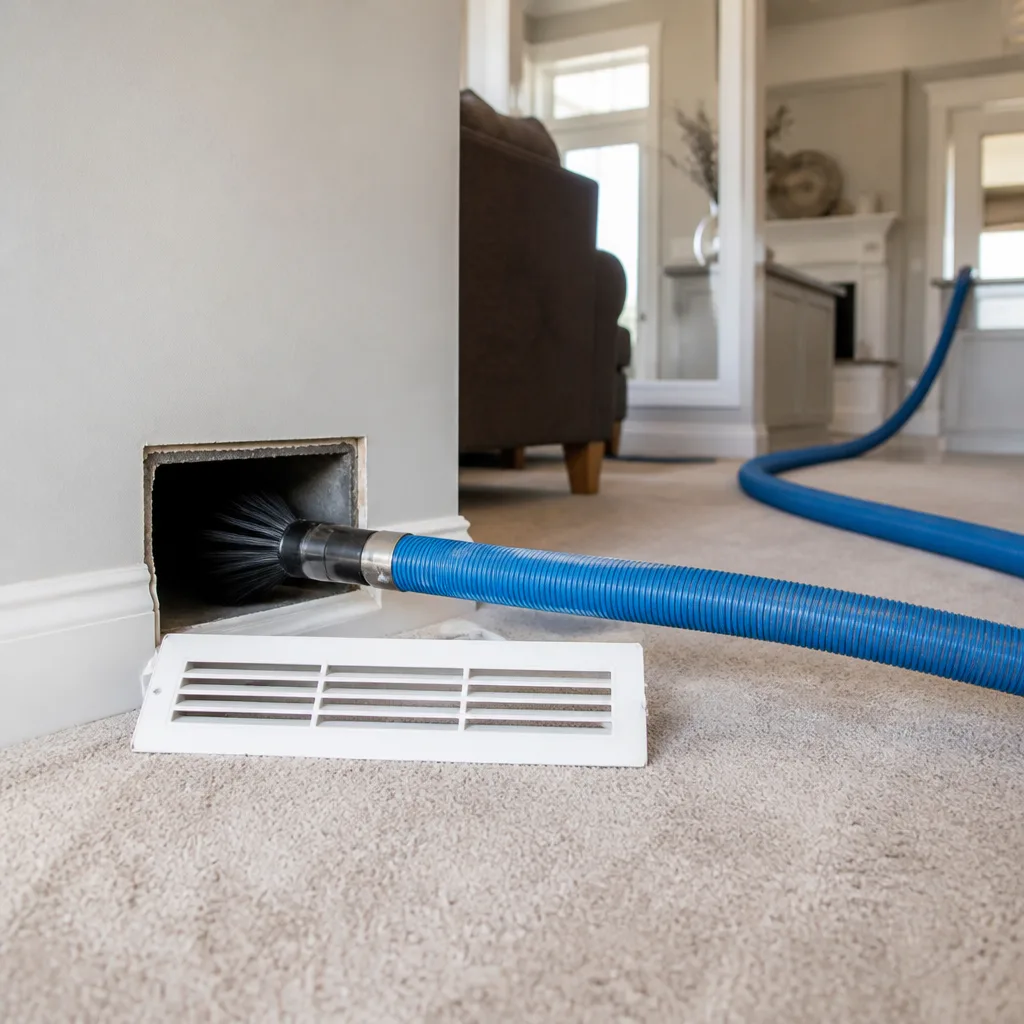 Whole-home duct cleaning
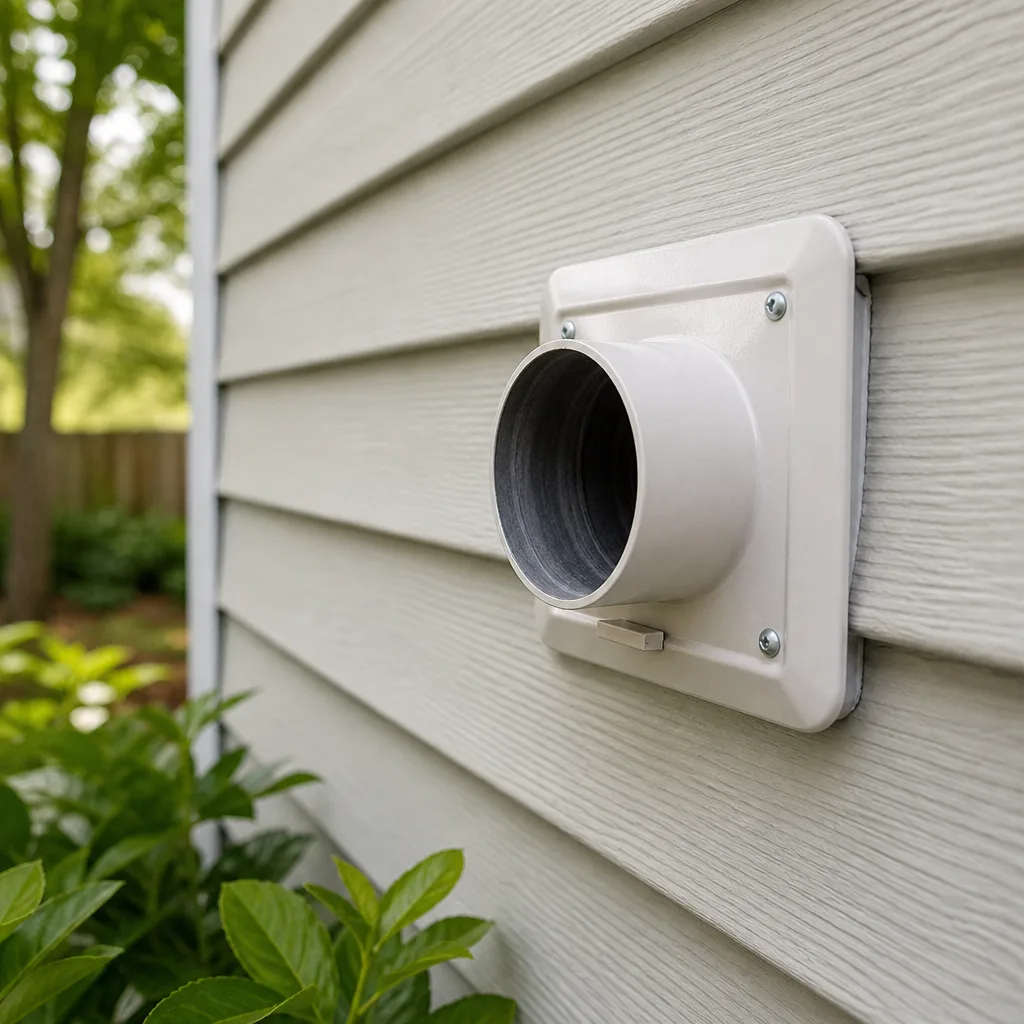 Dryer vent cleaning
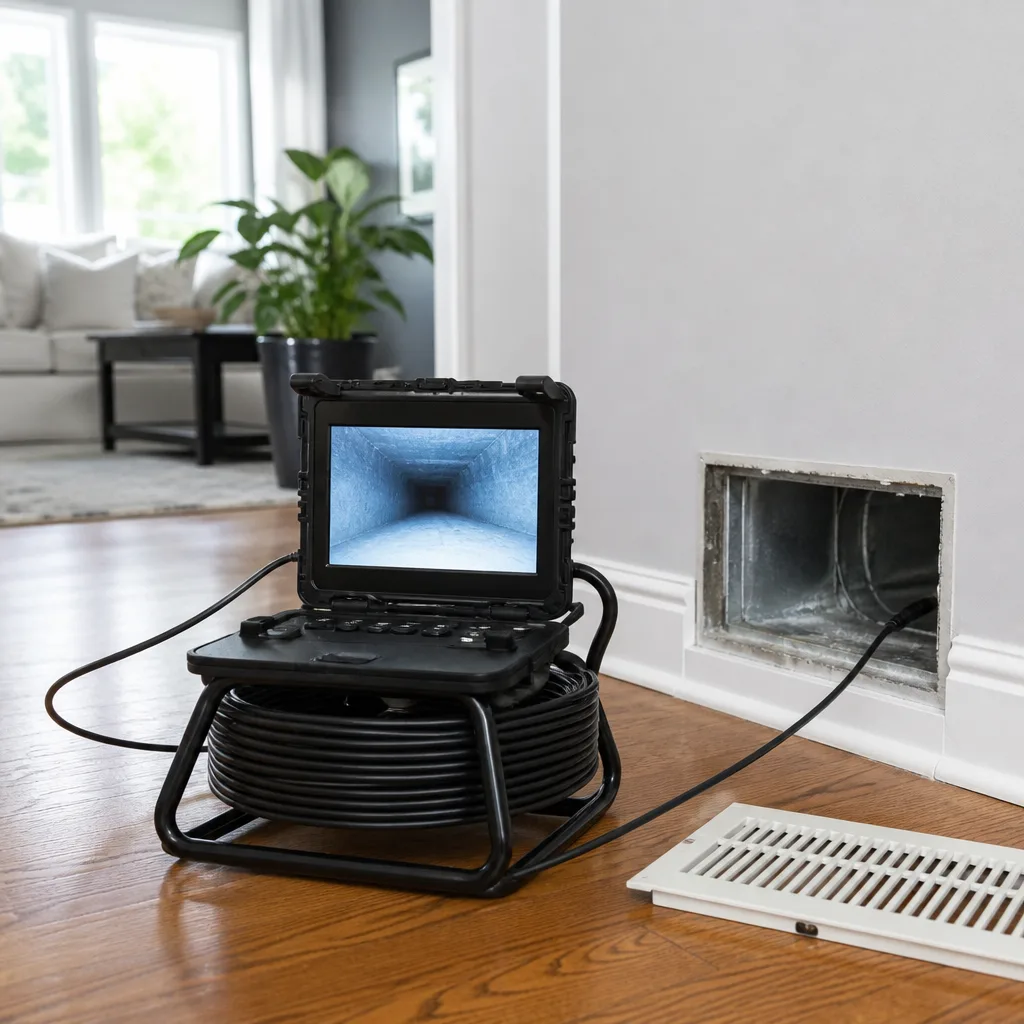 Camera inspection
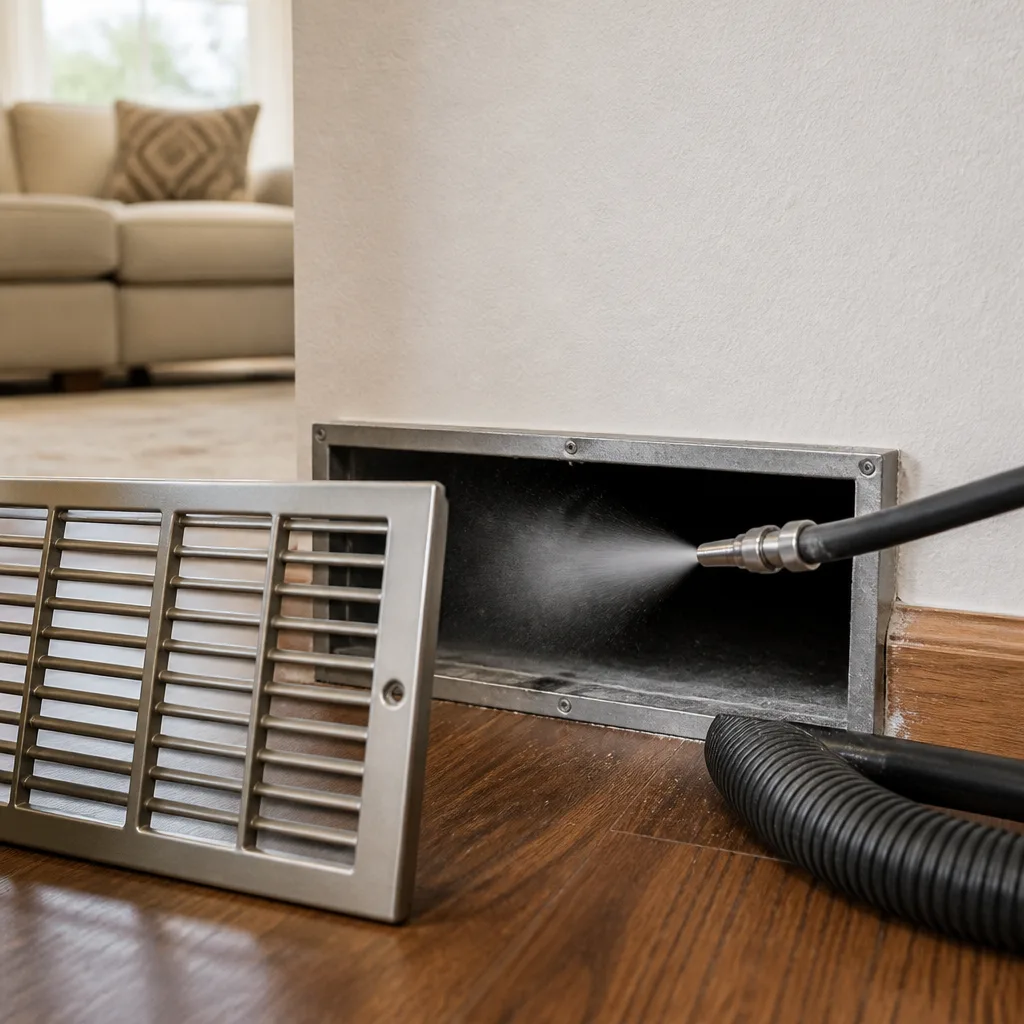 Sanitizing & deodorizing
Whole-system duct and dryer vent check with before-and-after photos - you see exactly what came out of your vents
That "$99 whole-house special" is a bait ad - the real number appears once they are in your hallway, or the "clean" is a shop-vac at the register. We photograph the inside of your ducts before and after instead.
How to Hire a Air Duct Cleaning Contractor in Houston: A Step-by-Step Guide
The Texas Attorney General’s office has fielded repeated complaints about air duct cleaning companies that quote one price over the phone and charge three to five times that amount once the technician is standing in the living room. It happens more in Houston than in almost any other metro in the state, partly because our housing stock is large, our summers force AC systems to run hard, and the market is crowded with operators who know a homeowner under pressure is easier to upsell. This guide and our Seasonal Air Duct Cleaning Care for Houston: Year-Round Homeowner’s Guide walk you through a vetting sequence that filters out low-integrity operators before they ever set foot in your house. You will learn exactly which two questions to ask on the first call, how to verify a Texas contractor’s credentials, what a legitimate written estimate looks like line by line, and how to read reviews for patterns that signal upselling. By the end, you will know more about hiring an air duct cleaning contractor in Houston than most people in the trade.
Quick Answer
To hire an Air Duct Cleaning services contractor in Houston, start by verifying their Texas license and liability insurance through state and local agencies, then ask two screening questions before booking: “Will you give me a written price per duct run before you arrive?” and “What is your scope of work in writing?” Any legitimate contractor answers both without hesitation, provides a line-item written estimate that does not move at the door, and can show proof of NADCA certification or equivalent training. In Houston, expect whole-house duct cleaning to run between $450 and $900 for a typical 1,800 to 2,500 square foot home, and never agree to a teaser price that sounds too good to be true because it almost always is.
Styles & brands we work with
Table of Contents
- Why Houston’s Air Duct Market Is Different
- Step 1: Verify the Texas Contractor’s Credentials Before the First Call
- Step 2: Ask the Two Questions That Expose Bait-and-Switch Operators
- Step 3: Understand What NADCA Certification Actually Means
- Step 4: Read a Written Estimate Line by Line
- Step 5: Spot Red Flags in Online Reviews
- Step 6: What the Day-of-Job Standard Should Look Like
- How Much Air Duct Cleaning Costs in Houston Right Now
Why Houston’s Air Duct Market Is Different
Houston’s combination of heat, humidity, and fast housing growth has created a duct cleaning market with unusual pressure points. Homes here run air conditioning eight to ten months out of the year, which means dust, pollen, and construction debris cycle through ductwork at a rate most northern cities never see. The metro area added more new housing stock over the past two decades than almost any other major city in the country, from master-planned communities in Katy and Cypress to infill townhomes in the Heights and Montrose. That means tens of thousands of HVAC systems hit the five-to-ten-year age range every year, the exact window when ducts start holding enough buildup to justify cleaning. And that demand attracts a certain kind of operator.
We have been cleaning air ducts in Houston since 2004, and in that time we have seen the full spectrum. There are solid, disciplined crews that show up on time, price the job in writing, and do the work by the book. There are also operators who advertise a $49 or $79 whole-house special, book the appointment, and then “discover” mold, damaged plenums, or disconnected runs once the van is in the driveway. Some of these operators are licensed and insured. The problem is not always a legal one; it is a discipline one. The Houston market rewards operators who can get a truck to a door fast, not necessarily the ones who price honestly. That is why the hiring sequence in this guide matters more here than in most places: in a market this big and this competitive, the burden of vetting falls entirely on the homeowner.
One more thing specific to Houston: our air carries things northern air does not. Pollen from live oaks in the spring, silt from construction sites along the Grand Parkway, and the fine gray dust that settles into homes built near the Ship Channel. All of it ends up in ductwork eventually. If a contractor cannot explain in plain English what they are pulling out of your ducts and how their equipment does it, keep looking. For a full explanation of what proper duct cleaning involves, see our page on Air Duct Cleaning in Houston.
Step 1: Verify the Texas Contractor’s Credentials Before the First Call
In Texas, air duct cleaning contractors are not required to hold a specialized duct cleaning license the way plumbers and electricians are. That might surprise you. What it means in practice is that anyone with a van and a vacuum can legally call themselves a duct cleaner in Houston. That does not mean there is no way to verify a contractor; it means you have to check a few different places instead of one central licensing board.
First, check whether the company is registered with the Texas Secretary of State as a legal business entity. You can search the SOS Direct database by business name for free. A company that operates under a registered name with a matching address is at least a real, traceable entity. Second, ask for the contractor’s Certificate of Liability Insurance. The certificate should show general liability coverage, typically $1 million per occurrence, and it should list the policy’s effective dates. Call the insurance carrier to confirm the policy is active. A legitimate Houston duct cleaning company will send you the certificate within one business day. If the answer to “can I see your certificate of liability insurance?” is stalling or deflection, end the conversation.
Third, check for local complaints and licensing entries. The Better Business Bureau’s Houston office maintains complaint histories, and the Texas Attorney General’s Consumer Protection Division has a searchable complaint database. You want to look not just for complaints, but for how complaints were resolved. A company with three complaints that were all answered and closed is healthier than a company with one complaint that was ignored. Fourth, ask if the company has any formal training or certification credentials, such as NADCA membership or Air Systems Cleaning Specialist (ASCS) certification. We will cover what those credentials mean in Step 3. Finally, confirm the company’s physical address. A contractor with no verifiable address in the Houston area is a red flag. You want a local operation, not a call center routing jobs to whoever picks up the phone.
Do not confuse registration with reputation. Registration proves the company exists. Insurance proves they are covered if something goes wrong. Reputation is built job by job, and you will assess that in Step 5. All three matter, and none of them substitutes for the others.
Step 2: Ask the Two Questions That Expose Bait-and-Switch Operators
There are exactly two questions that separate a disciplined Houston air duct cleaning contractor from a bait-and-switch operator. If you ask nothing else, ask these two. The first is: “Will you give me a written price per duct run before you arrive?” A legitimate contractor will either say yes without hesitation, or will explain that they price by the system rather than by the run and will give you that system price in writing before any work starts. At Hollis Air Duct Houston, we write the price down before we touch anything, and that price does not move at the door. If the answer to this question is “well, it depends” or “we need to see the system first,” that is not automatically disqualifying on its own, but it should raise the stakes for the second question.
The second question is: “What is your scope of work in writing?” This is the question that makes the real difference, because it forces the contractor to commit to specific deliverables. A proper scope of work for air duct cleaning in Houston should include: how many supply and return ducts will be cleaned, whether the main trunk line is included, whether the air handler and blower are included or excluded, what method will be used (negative-air, rotary brush, or both), what the access points will be, and what gets sealed or patched afterward. It should also state whether dryer vent cleaning or duct sealing is included, and if so, whether it is a separate line item or bundled. Every one of those items has a cost attached, and every one of those items is a place where an unscrupulous operator can find an upsell. “We found mold in the trunk line” is the classic one, followed closely by “your return plenum needs to be rebuilt.” A written scope of work prevents that conversation from ever starting, because the contractor has already committed in writing to what is and is not included.
If a contractor cannot or will not provide a written scope of work before you book, do not book them. Full stop. That single document is the difference between a $500 job and a $1,800 surprise. For more on how our scope of work is structured, see Duct Sealing in Houston, which explains how sealing integrates with cleaning.
Step 3: Understand What NADCA Certification Actually Means
NADCA stands for the National Air Duct Cleaners Association. It is the closest thing the air duct cleaning industry has to a professional standard, and its certification is real. A technician who holds the Air Systems Cleaning Specialist (ASCS) certification has passed an exam covering HVAC system design, contamination control, source removal methods, and safety practices. NADCA also publishes a formal standard, the ACR (Assessment, Cleaning, and Restoration of HVAC Systems), which specifies how ducts should be inspected, cleaned, and verified. When a Houston contractor tells you they are NADCA certified, that is a meaningful baseline: it means someone on their team has formal training and the company has committed to following a recognized procedure.
Here is what NADCA certification does not mean. It does not mean the company is moral, punctual, or honest. It does not mean the technicians who show up at your door are the same people who passed the exam. It does not mean the quote will be fair. There are NADCA-certified companies in every major city, Houston included, that still run bait-and-switch pricing models. Certification is a filter, not a guarantee. Use it the way you would use a college degree on a resume: it tells you the person did the work and passed the test, but it tells you nothing about how they behave when no one is watching.
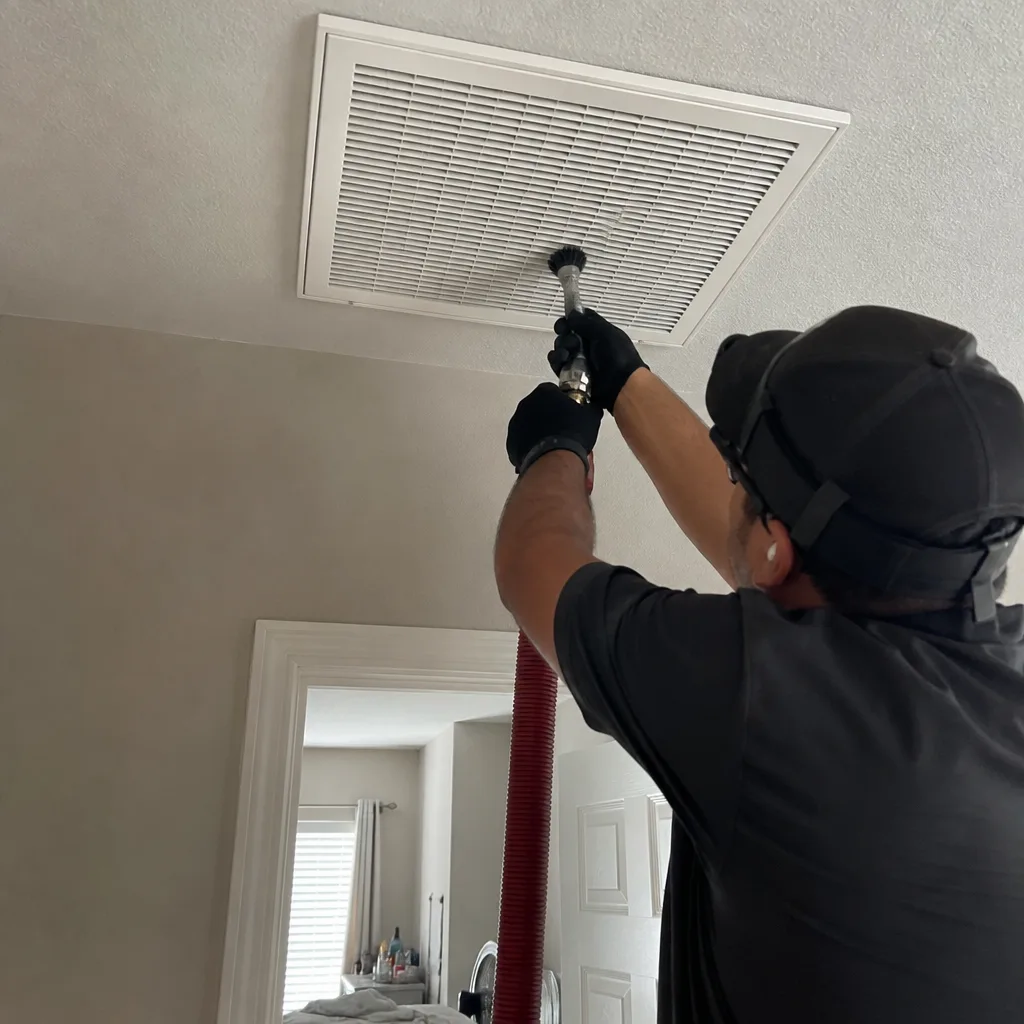
The other standard worth knowing is the equipment standard. Professional duct cleaning uses two main methods, and a competent contractor will be able to explain both. The negative-air method connects a large vacuum unit to the duct system to create suction, and then agitates debris loose so it is pulled toward the vacuum. The rotary brush method runs a powered brush through the ducts to physically scrape debris from the walls while negative air removes it. Some jobs call for one method, some for both. At Hollis, we run Rotobrush rotary brush systems and Nikro negative-air machines, which is the same combination commercial crews use on large buildings, scaled for residential Houston homes. What matters to you is that the contractor can explain their method in plain English before the job starts. If they cannot tell you how they will clean your ducts in two sentences, they are probably not the crew you want.
Step 4: Read a Written Estimate Line by Line
A legitimate written estimate for air duct cleaning in Houston is not a list of items with vague descriptions. It is a scannable document that tells you exactly what you are paying for, and what you are not. Here is what a proper estimate should contain, line by line.
First, the scope: the number of supply runs, the number of return runs, and whether the main trunk and plenum are included. If your home has two systems, the estimate should say that. Second, the method: negative-air, rotary brush, or both, stated in writing. Third, the access points: where the technician will cut access holes in the ductwork, how many there will be, and how they will be sealed and patched afterward. Fourth, any add-on services: dryer vent cleaning, duct sealing, coil cleaning, filter replacement. Each should be a separate line item with its own price, or explicitly stated as included. Fifth, the total: one number, in writing, that does not change. Sixth, the guarantee: what is covered, for how long, and what happens if the work fails. Our company, Hollis Air Duct Houston, puts the 365-Day Done Right Promise in writing on every job. If the work does not hold up within a year, we come back and make it right at no charge, including a free second visit. That is the kind of guarantee language you want to see.
What is missing from estimates that will cost you later? A common omission is per-run pricing. Some Houston contractors quote a whole-system price but do not break down the runs, which means they can under-clean and you would never know. Another omission is filter replacement. If the estimate does not mention filters, ask. A good cleaning includes a filter check and often a recommendation. Another omission is sealing. If access holes are cut, the estimate must say how they will be sealed and with what material. If it does not, you could end up with gaps that leak conditioned air into your attic. Yet another omission is the after-photo standard. Ask whether the contractor will show you before-and-after photos of your own ducts. If they will not, that is a signal to keep looking. At Hollis, our technicians show you photos of your own ductwork before and after, so you can see the work was actually done.
Step 5: Spot Red Flags in Online Reviews
Online reviews are useful, but not in the way most people think. A five-star average does not mean a company is good. It means the company has not recently angered enough people to pull the average down. What you are looking for in Houston duct cleaning reviews is not the star rating; it is the pattern inside the words.
The first red flag is the vague five-star review. “Great company, great service, would use again!” tells you almost nothing. A review that mentions specific details, like “they cleaned 14 runs, showed me the before-and-after photos, sealed the access holes, and the price matched the quote,” is worth ten vague ones. The second red flag is a company response that deflects. When you see a negative review that says “they quoted $300 and charged $900,” look at the response. If the company answers with a boilerplate “we take all feedback seriously and have reached out privately,” that is a non-answer. A disciplined company responds to pricing complaints by explaining the scope, the estimate, and what was agreed in writing. The third red flag is no mention of price or scope in any review, positive or negative. If dozens of five-star reviews never mention what was quoted or paid, that suggests the company operates in a way that keeps the price vague, which is exactly the condition bait-and-switch operations prefer.
One more Houston-specific pattern worth knowing: reviews that mention “they had a cancellation and could fit me in today.” That sounds like great customer service, and sometimes it is. But it is also a classic upsell setup. The technician arrives with a story about how lucky you are, then “finds” something that needs immediate attention. We are not saying every same-day opening is a scam. We are saying that when the offer sounds urgent, the vetting matters more, not less. Trust the written scope of work, not the urgency of the phone call.
Step 6: What the Day-of-Job Standard Should Look Like
When the crew arrives at your Houston home, a few things should be true, and you can check all of them in the first five minutes. The technicians should be wearing uniforms with the company name visible. They should introduce themselves by name. They should walk the job with you, confirm the scope of work against the written estimate, and answer any questions before they unload equipment. If any part of the scope is unclear, that is the moment to clarify it, not after the hoses are running.
The crew should protect your home. That means drop cloths on the floors they will walk, shoe covers, and care around furniture. They should explain their access point plan before cutting anything. Once the job is done, they should show you before-and-after photos of the ducts themselves, not a stock photo of someone else’s system. They should leave the site as clean as they found it. And they should hand you the invoice that matches the estimate, or explain any difference in writing. This is what our technicians are trained to under The Garrison Code, the operational standard our independently owned Houston location follows: arrive inside the quoted window, price in writing before work starts, do the job by the book, and leave the site squared away. If a crew does all of that, they are in the top tier of Houston duct cleaners. If they skip more than one of those steps, the problem usually gets worse from there.
The other day-of-job standard to know is the filter conversation. A good duct cleaning crew will check your system’s filter, tell you what they found, and recommend a replacement interval based on your actual conditions. Homes in Piney Point and Bellaire with mature trees will clog filters faster than homes in newer construction areas like Bridgeland or Riverstone. The recommendation should be specific to your house and your system, not a canned upsell. The same goes for any mention of duct sealing. Some houses benefit materially from it, especially older homes with leaky returns in the attic. A contractor who recommends sealing should explain why in terms of your system’s static pressure and visible gaps, not just “it’s a good idea.” For our full explanation of when sealing makes sense, see Duct Sealing in Houston.
How Much Air Duct Cleaning Costs in Houston Right Now
In the Houston market, honest whole-system duct cleaning for a typical single-family home runs between $450 and $900. That range covers a 1,800 to 2,500 square foot home with 10 to 16 supply runs, 2 to 3 returns, the main trunk line, and the air handler cleaning. Larger homes with two systems, homes with unusually long runs (common in older ranch houses in Spring Branch and Meyerland), and homes with heavy buildup or mold remediation needs will land higher, sometimes $1,200 or more. Smaller condos and townhomes can end up under $450. This is the honest market range in Houston as of early 2026, and any price far outside it deserves hard scrutiny in either direction. See our Air Duct Cleaning Cost Breakdown: The Houston Homeowner’s Reference for 2026 for full pricing details.
The bait-and-switch play works like this: a company advertises a $49 or $79 whole-house special. That price is not for whole-house cleaning. It might be for the first five runs, or for a “visual inspection,” or for one return. Once the technician arrives, the real quote starts: “Your trunk line has heavy buildup, that is extra. Your returns are inaccessible, that is extra. We found mold, that is remediation.” The final invoice is $700 to $1,400, plus the pressure of a technician standing in your hallway with a running clock. The two questions from Step 2 exist specifically to prevent this scenario, because a bait-and-switch operator cannot answer either one in writing without exposing the model.
One more nuance specific to Houston: our humid climate means some homes have condensation issues in ductwork that dry-climate homes do not. If a contractor tells you there is mold in your ducts, ask two things. First, ask to see the photo. Second, ask whether they tested for it or are making a visual guess. A visual guess is not inherently wrong; mold-like staining is real and common in Houston. But a legitimate contractor will show you the image and explain the difference between staining and active mold, and will not quote remediation on the spot as a scare tactic. This is the single most common upsell in the Houston market, and knowing how to respond changes the power dynamic entirely.
Common Mistakes to Avoid
- Booking based on the first ad you see. Houston is a big market with a lot of ad spend. The companies at the top of the search results are not necessarily the ones doing the best work; they are the ones spending the most on clicks.
- Skipping the insurance check. Any crew working in your home should carry liability insurance, and you have every right to see the certificate. If a crew damages your system or your home and is uninsured, you are paying that bill.
- Accepting an estimate without a written scope. A price with no description of the work is not a price; it is a deposit on a future negotiation. Get the scope in writing before you book.
- Not asking about access points. Duct cleaning requires cutting access holes in the ductwork. If the contractor cannot tell you how many holes, where, and how they will be sealed, do not let them cut anything.
- Believing NADCA certification means trustworthiness. Certification proves training, not character. Use it as one data point among several.
- Paying the full amount before the work is done. Legitimate contractors in Houston may take a deposit, but no honest company should demand full payment before the job is complete and you have seen the results.
- Falling for the mold scare without evidence. Always ask to see the photo and the testing method before agreeing to remediation. Houston’s humidity makes mold-like staining common, but not every stain is a health emergency.
See the difference
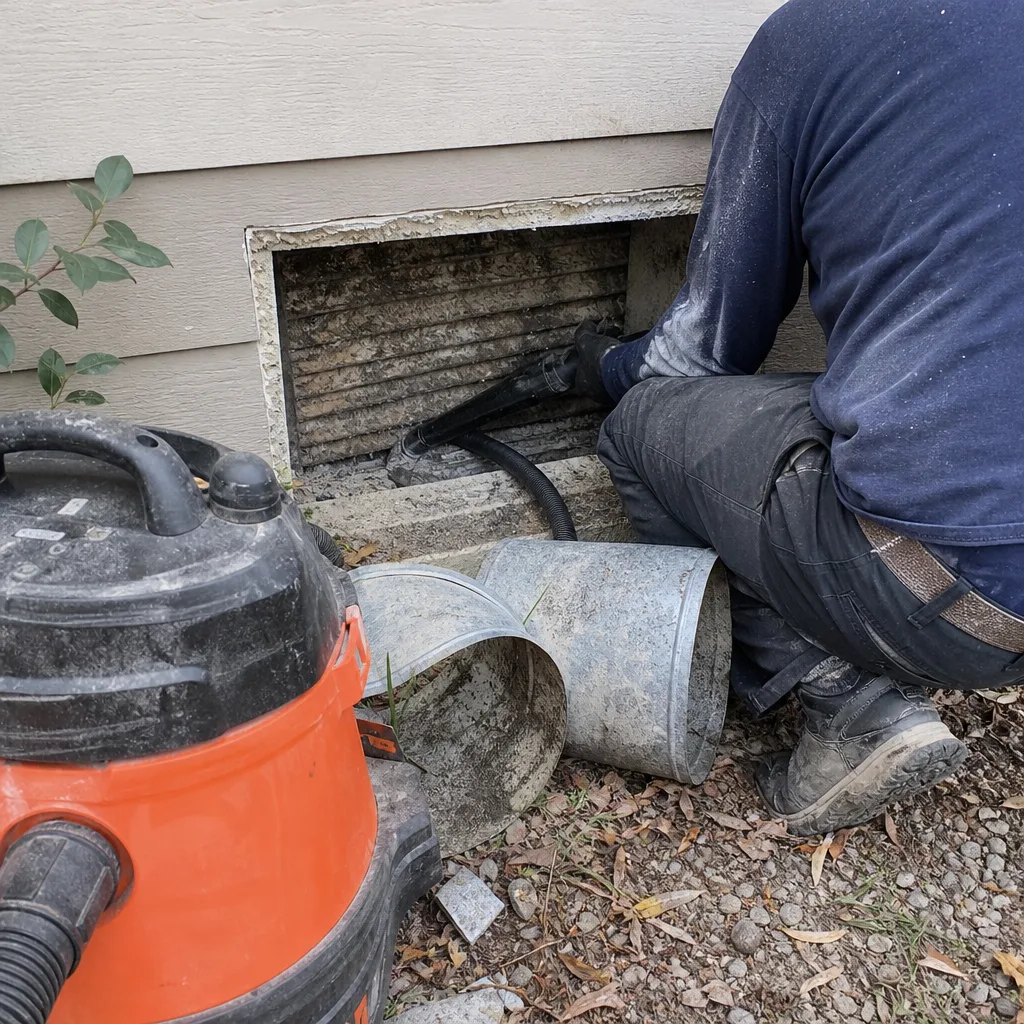 Before
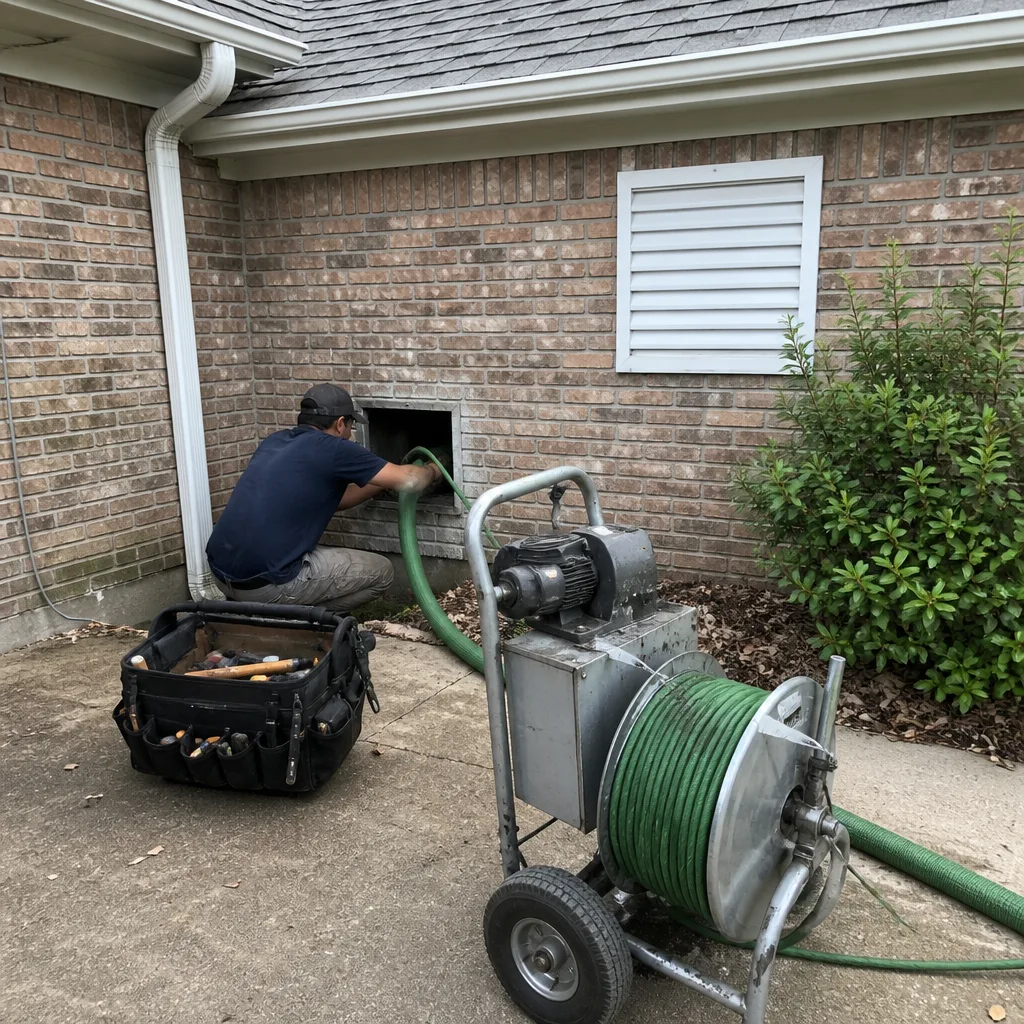 After
After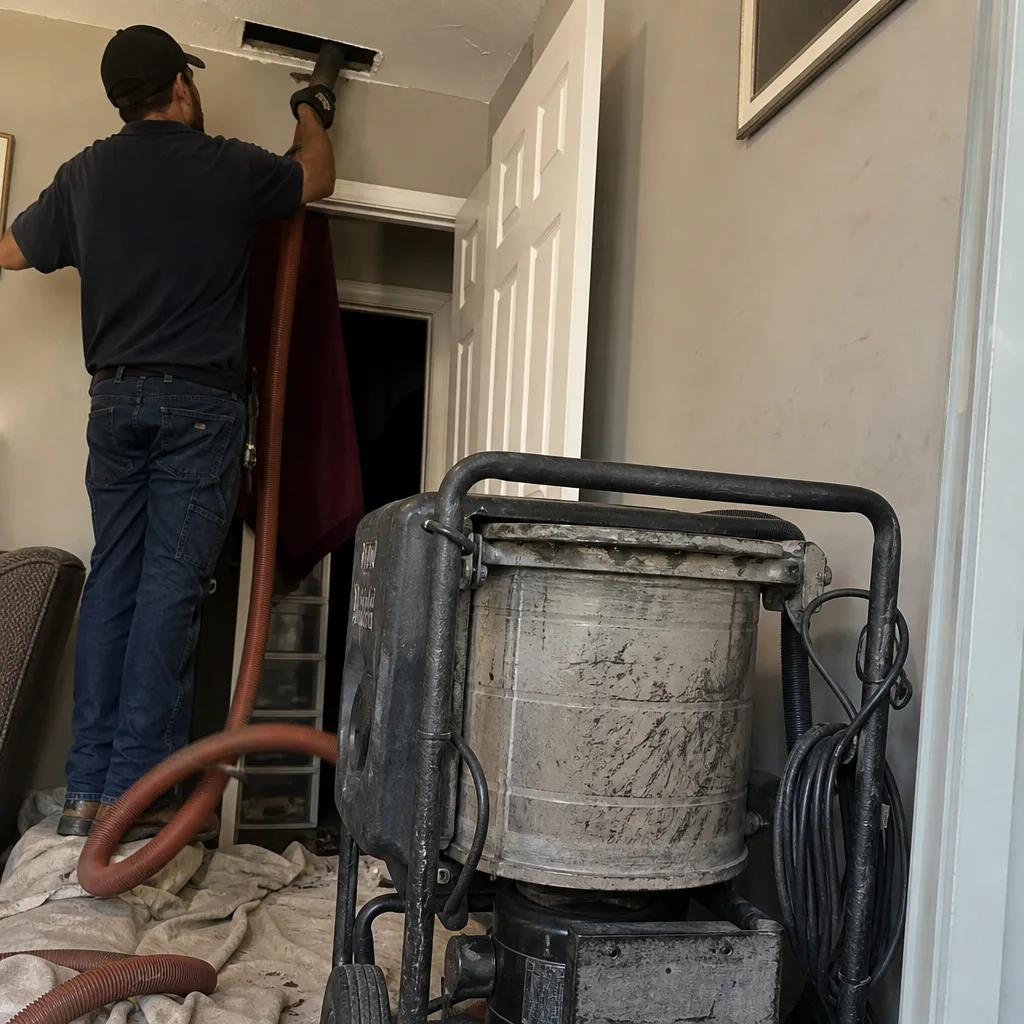 Before
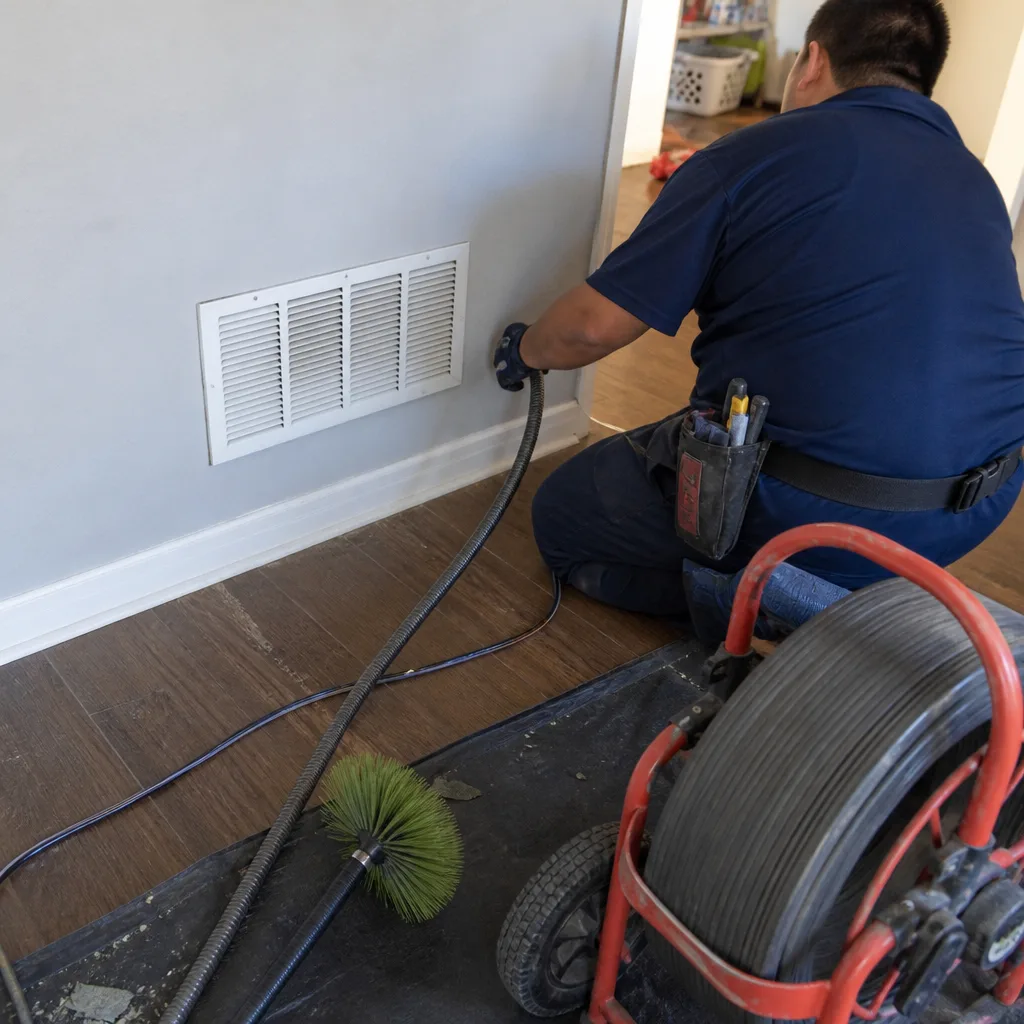 After
After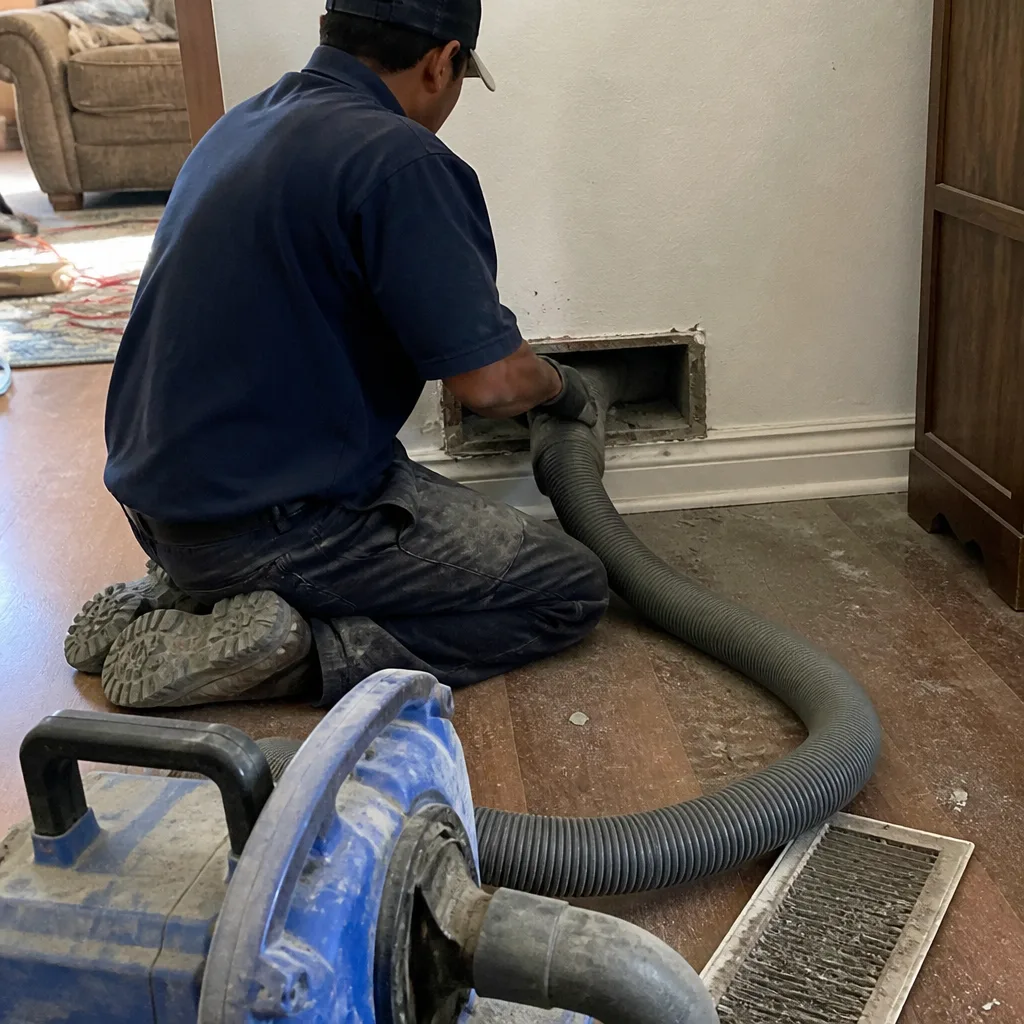 Before
 After
AfterWhen to Call a Professional
The right time to call a professional air duct cleaning contractor in Houston is when you can see visible dust around your supply registers, when your system is running constantly and the filter is clogging faster than it used to, when you have recently completed renovation work that generated drywall or floor dust, or when you have moved into a home that has not had its ducts cleaned in six or more years. You should also call if you see mouse droppings, dead insects, or other pest evidence around your registers. These are specific, observable conditions, not vague feelings. If you are in the Houston area and want a written estimate before any work starts, Hollis Air Duct Houston offers free estimates at (713) 936-5800. We will give you an honest assessment, a written scope, and a price that does not move.
Frequently Asked Questions
A legitimate whole-system air duct cleaning in Houston runs between $450 and $900 for a typical 1,800 to 2,500 square foot home with 10 to 16 supply runs. Larger homes, homes with two systems, and homes requiring mold remediation or duct sealing will cost more. Any price below roughly $300 for a whole house in Houston is almost certainly a bait-and-switch teaser. Call (713) 936-5800 for an exact quote based on your home’s size and system.
Some Houston duct cleaning quotes are cheaper because they are not real quotes. They are teaser prices designed to get a technician into your home, at which point the upsell begins. A $49 whole-house cleaning is not a whole-house cleaning by any honest definition of the term. The contractor will “discover” problems, add fees per run, or claim your system needs services not included in the original price. In this market, if a price seems too good to be true, it is not true.
Ask the contractor to show you before-and-after photos of your own ducts, taken from inside the system with a camera at the access points. A legitimate contractor will do this as standard practice. You can also check the access holes after the job: they should be sealed with metal patches or duct mastic, not left open or covered with tape. If the contractor cannot produce photos of your actual system, treat the job as unverified.
No. Texas does not require a specialized air duct cleaning license, and NADCA certification is voluntary. That means you cannot assume any given Houston duct cleaner has formal training. Asking about NADCA certification is useful, but it is not a substitute for the two screening questions in this guide: written pricing before arrival and a written scope of work.
For most Houston homes, every 3 to 5 years is a reasonable interval, but it depends on conditions. Homes with pets, homes near active construction, homes with smokers, and homes where the AC runs year-round will accumulate debris faster and may need cleaning more often. If you can see dust blowing from your registers when the system kicks on, that interval is too long.
Air duct cleaning companies in Houston do not need a specialized state license the way electricians and plumbers do. They should, however, be registered with the Texas Secretary of State as a legal business entity, and they should carry active liability insurance. Ask for both before you book.
Usually not by default. Dryer vent cleaning is a separate service with its own line item, though many companies offer it as a discounted add-on when bundled with air duct cleaning. At Hollis Air Duct Houston, we offer Dryer Vent Cleaning in Houston as either a standalone service or a bundled add-on, and the price is always written before work begins.
The Bottom Line
Hiring an air duct cleaning contractor in Houston is not complicated once you know the sequence. Verify the business entity and insurance. Ask the two questions that expose bait-and-switch operators: written pricing before arrival and a written scope of work. Check NADCA certification as a baseline but not a guarantee. Read the estimate line by line and require before-and-after photos of your own ducts. Avoid the mold scare without evidence. The Houston market has plenty of honest, disciplined contractors, and it has plenty of the other kind. The difference is knowable before anyone sets foot in your house if you ask the right questions and hold the line on getting it in writing. If you are ready for a real written estimate, call (713) 936-5800. We will price your entire system before we touch it, put it in writing, and stand behind it for a full year.
Written by Roy Castellanos, Owner at Hollis Air Duct Houston, serving Houston since 2004. Explore more guides & resources on our blog.