
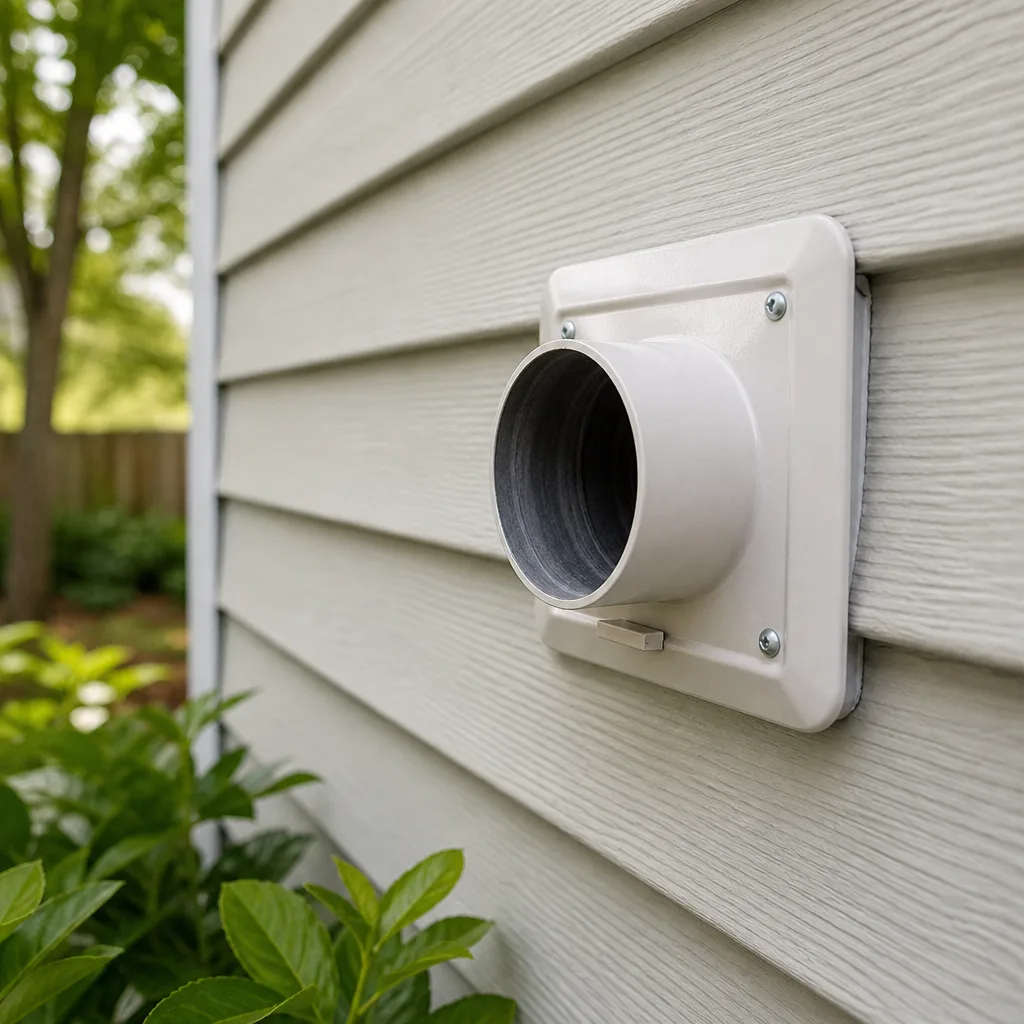
 Dryer vent cleaning
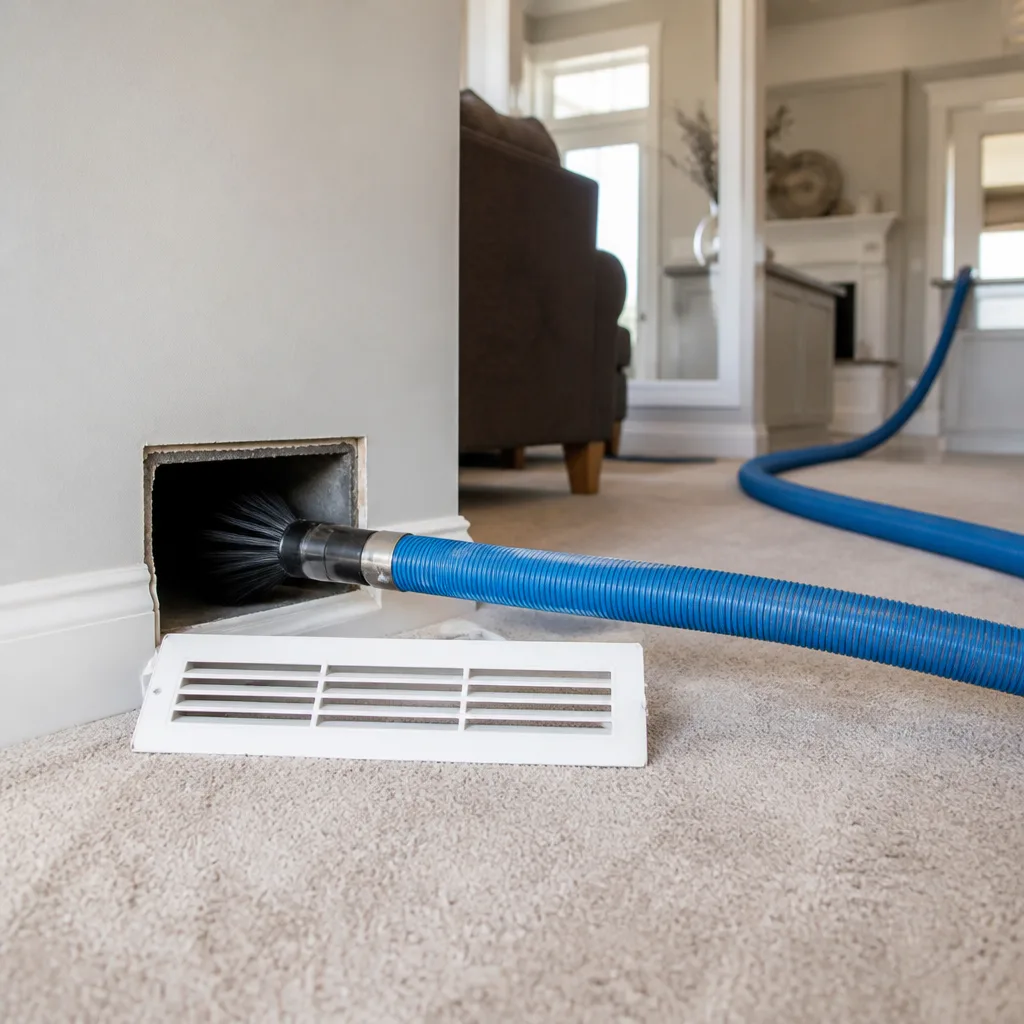 Whole-home duct cleaning
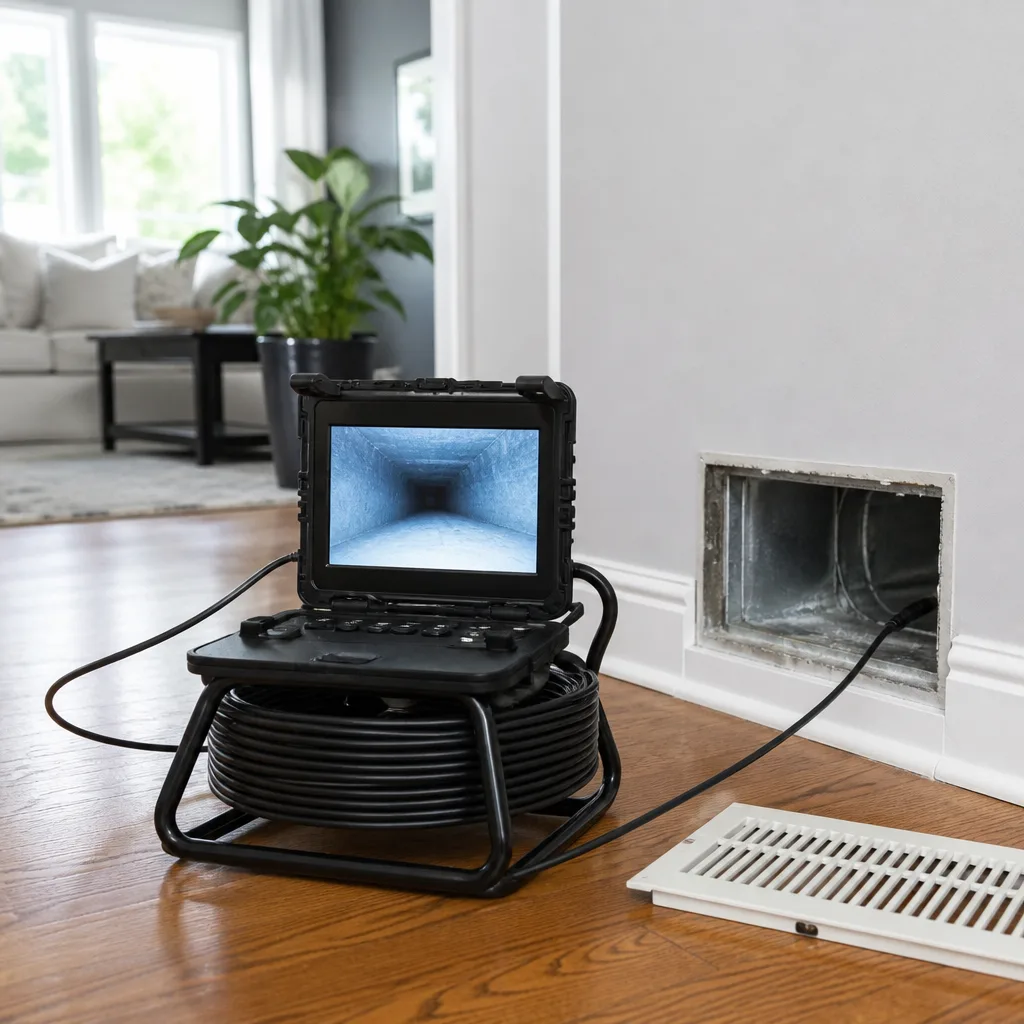 Camera inspection
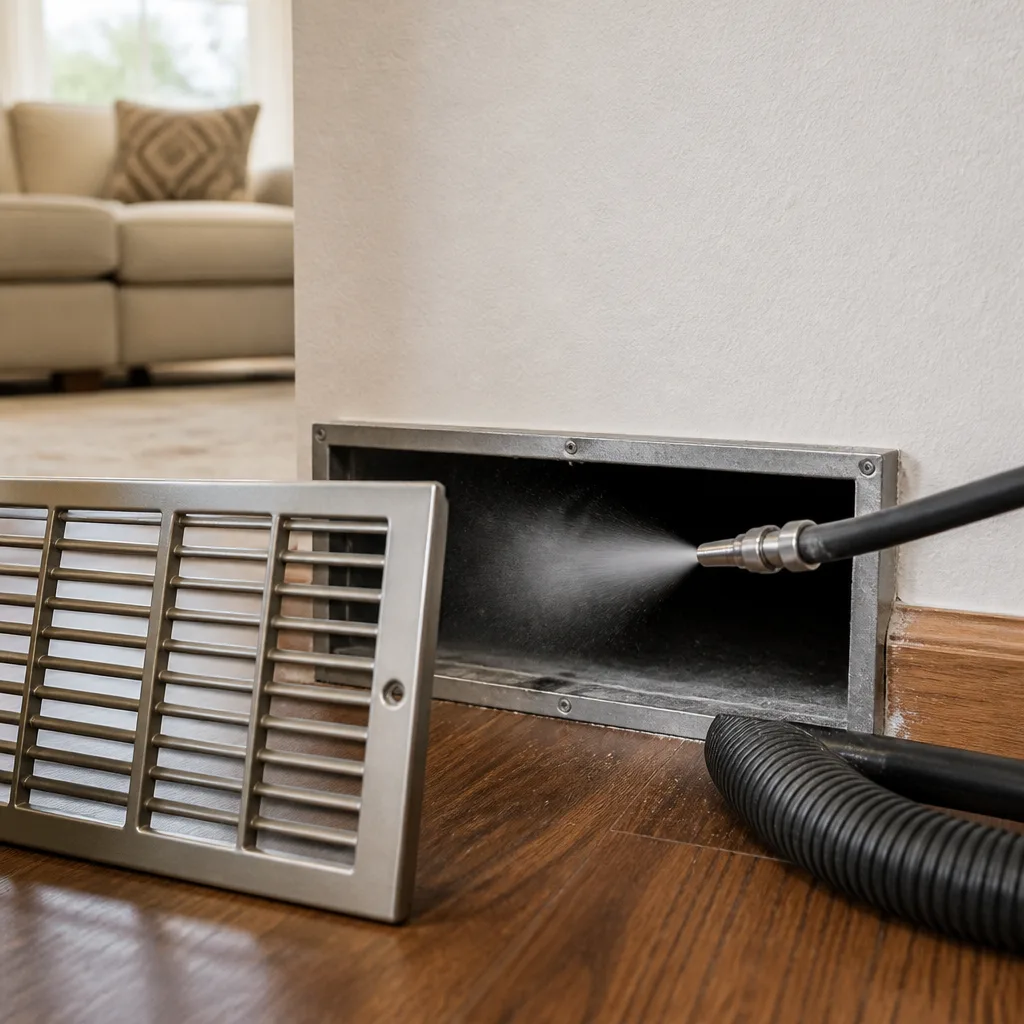 Sanitizing & deodorizing
Whole-system duct and dryer vent check with before-and-after photos - you see exactly what came out of your vents
That "$99 whole-house special" is a bait ad - the real number appears once they are in your hallway, or the "clean" is a shop-vac at the register. We photograph the inside of your ducts before and after instead.
Honeywell Dryer Vent Cleaning in Houston: What to Know First
Honeywell dryer vent cleaning in Houston typically costs between $129 and $229 for a standard single-family home with an accessible roof or exterior wall vent, and the work is done in one visit lasting 60 to 90 minutes. We’re an independent Honeywell service provider, not a manufacturer-authorized shop, which means we answer to you and the condition of your vent, not to a corporate parts program. If you own a Honeywell dryer and the vent hasn’t been touched in two years or more, call us at (713) 936-5800 and we’ll give you a written price before anyone climbs a ladder.
This page is for Houston homeowners who bought a Honeywell dryer, want to know what it costs to clean the vent correctly, and would rather not gamble on a coupon crew that treats every dryer like every other dryer. Roy Castellanos and the Hollis Air Duct Houston crew see Honeywell units across Bellaire, Katy, the Heights, Clear Lake, and the Energy Corridor, and the failure patterns are consistent enough that we can quote honestly before we arrive.
How Honeywell Products Fail – and How We Fix Them
Honeywell builds dryers that hold up, but no dryer survives a choked vent. Here are the failure modes we see on Honeywell units in Houston, and what we do about each one.
- Long dry cycles on Honeywell HE-series dryers. Honeywell’s high-efficiency dryers run lower internal temperatures than older units, which means they depend on strong airflow to get clothes dry in one cycle. When the vent is even 40% blocked, the dryer compensates by running longer, which bakes more lint into the duct and shortens the heating element’s life. We see HE-series units in Houston homes where a two-hour cycle became normal without anyone noticing. Our fix: full vent cleaning with negative-air extraction, then an airflow test at the wall and at the exterior termination to confirm the pull is back where the unit was designed to run.
- Lint bypass on Honeywell SmartDry models with sensor-dry cycles. The moisture sensors inside SmartDry drums can be fooled by damp lint holding heat against the sensor, especially in Houston’s humidity. Homeowners tell us the dryer shuts off early or runs a “damp dry” flag constantly, and the real cause is a vent restricted enough that moisture can’t evacuate. The lint sits in the drum airflow, the sensor misreads, and the cycle ends wrong. We open the vent path completely, clear the lint trap housing and the internal blower wheel area, and most SmartDry owners report normal sensor behavior within the first load after cleaning.
- Exterior vent hoods clogging faster on Honeywell gas dryers. Gas dryers produce a wetter exhaust than electric units, and in Houston’s climate that moisture makes lint stick to the vent hood louvers like paste. Honeywell gas dryers in older construction, especially homes with short horizontal vent runs, pack the first three feet of pipe solid with caked lint. When we clean these, we remove the vent cap, brush and vacuum the entire run, and in many cases install a low-resistance vent hood that doesn’t trap lint at the termination point.
- OEM vent connector collapse on Honeywell models with flexible foil transitions. The foil transition hose behind many Honeywell dryers is thin, and once it gets a kink or a partial crush, the dryer runs against resistance every single cycle. Lint builds at the collapse point until the vent is effectively cut to half its diameter. We see this constantly in Houston laundry closets where the dryer is pushed tight against the wall. The fix is replacing the crushed connector with a rigid or semi-rigid metal transition that holds its shape, then anchoring it so it can’t kink when the dryer is pushed back into place.
- Heat buildup in Honeywell dryer cabinets from clogged internal ducts. The duct inside the dryer cabinet, between the blower and the vent connection, fills with lint more on Honeywell units than some other brands because of how the lint screen housing is shaped. Houston homes with high dry cycles per week, kids’ sports clothes, towels, that sort of load, see this buildup accelerate. When we clean the exterior vent but leave the internal duct packed, the job is half done. We open the dryer access panel, clear the internal blower housing and duct path, and reassemble per the unit’s service layout. That’s the difference between a vent cleaning and a real vent cleaning.
Styles & brands we work with
Our Honeywell Dryer Vent Cleaning Process
- 1
The call. You talk to a live person at (713) 936-5800. We ask the questions that matter: gas or electric, roof or wall vent, roughly how long since the last cleaning, any dryer error codes. We book a window and we arrive inside it.
- 2
Arrival and inspection. A background-checked, uniformed technician walks the vent path from the dryer to the exterior termination. We check the connection type, the vent cap condition, the run length, and any signs of moisture or heat damage.
- 3
Written price. Before any tool comes off the truck, you get the full price for the cleaning and any repairs in writing. The price does not move at the door. If we find something unexpected inside the wall, we show you, explain it, and quote a change before touching it.
- 4
The cleaning. We run a rotary brush system through the full vent run while a negative-air machine pulls dislodged lint and debris into a sealed collection canister. On Honeywell units we also clear the internal blower housing and lint screen area inside the dryer cabinet, because skipping that is how half-clean jobs happen.
- 5
Parts replacement if needed. If the vent cap is cracked, a bird guard is missing, or the transition hose is crushed, we discuss OEM versus quality aftermarket options with you. On Honeywell dryers, aftermarket vent caps and transitions that meet the same dimensional spec are perfectly serviceable, and we tell you when they are and when they aren’t.
- 6
Airflow test and site cleanup. We run the dryer on an air-only cycle and measure airflow at the exterior vent. You see the before and after readings. Then we sweep the laundry area, bag the debris, and walk you through what we did. Every job carries the 365-Day Done Right Promise in writing.
See the difference
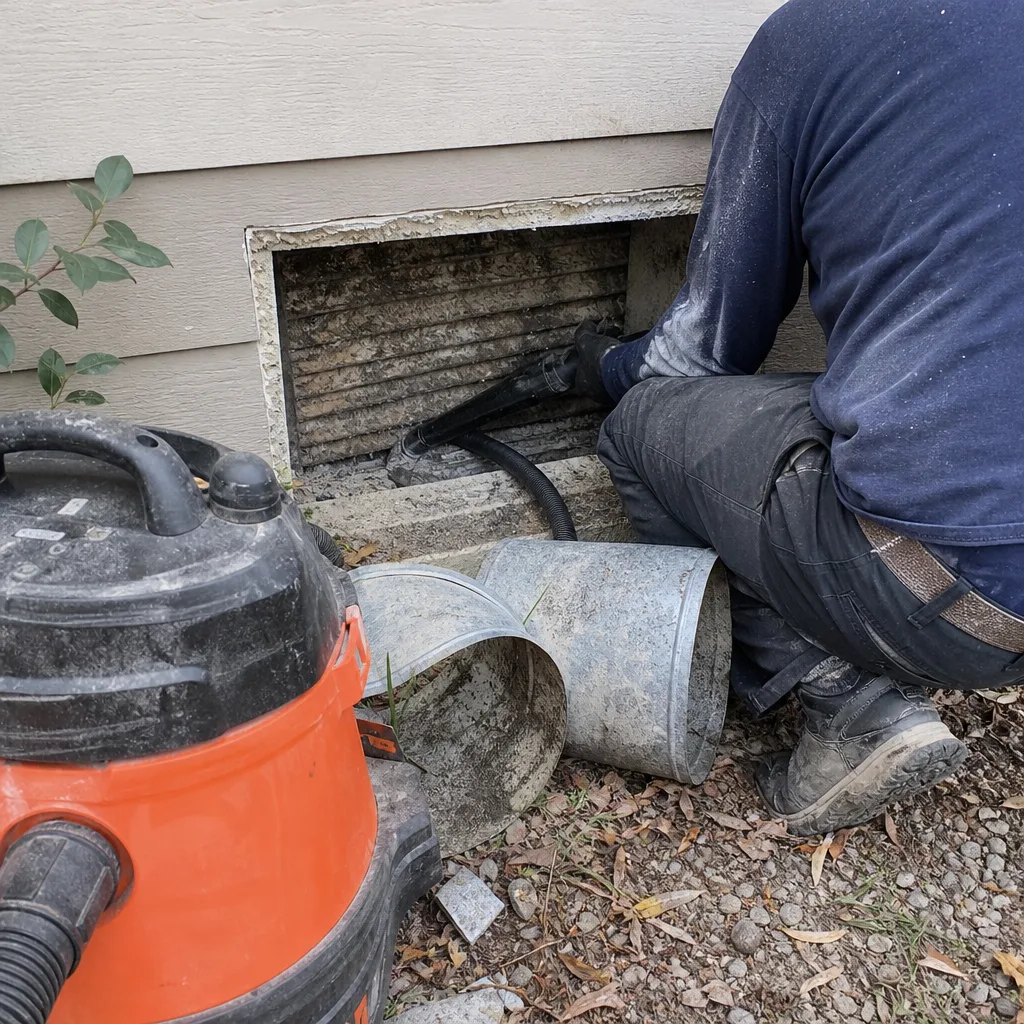 Before
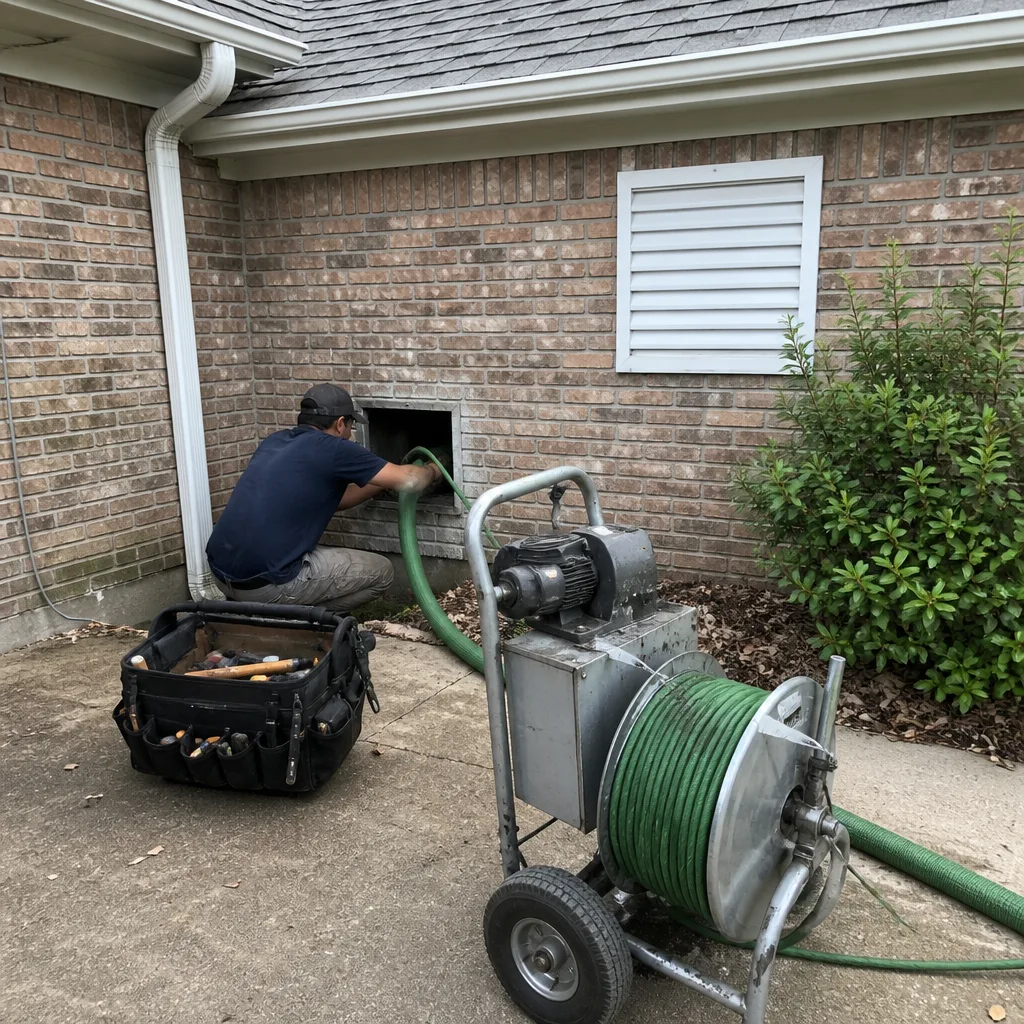 After
After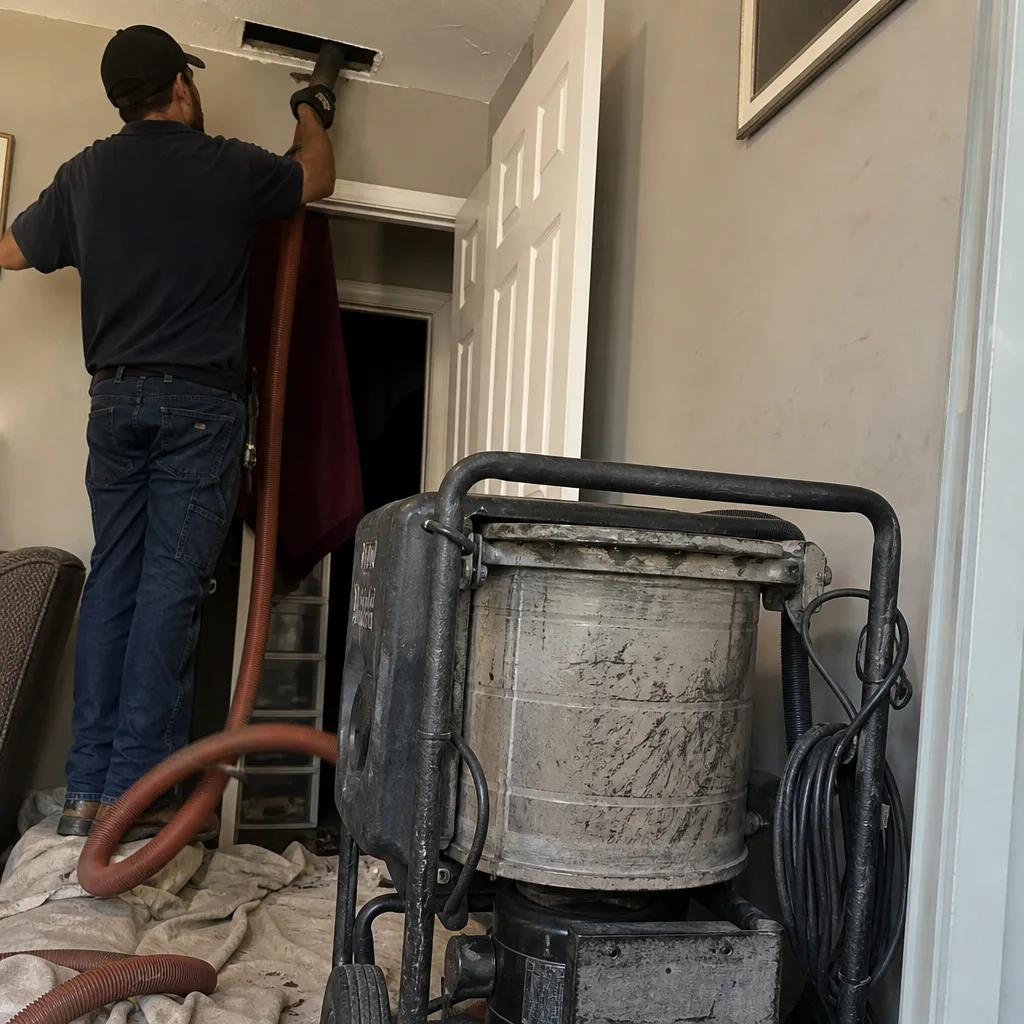 Before
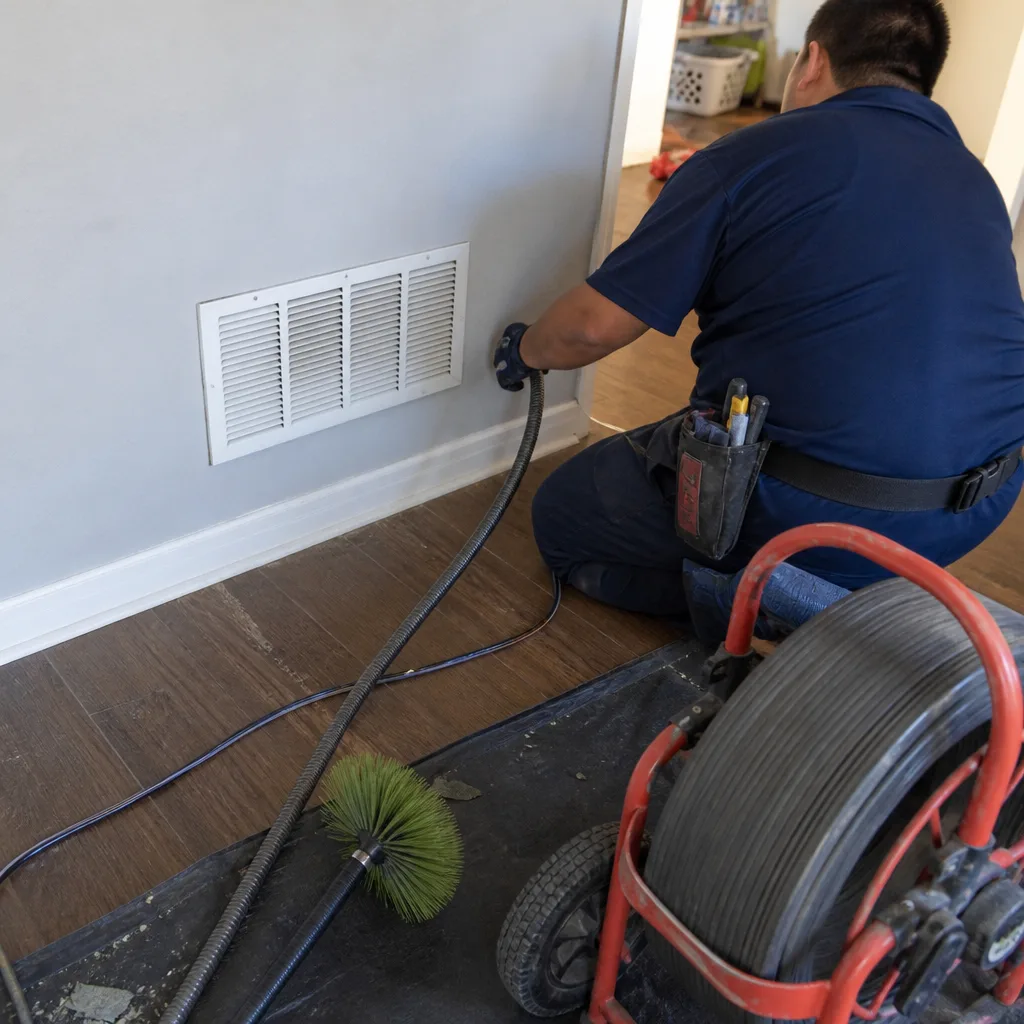 After
After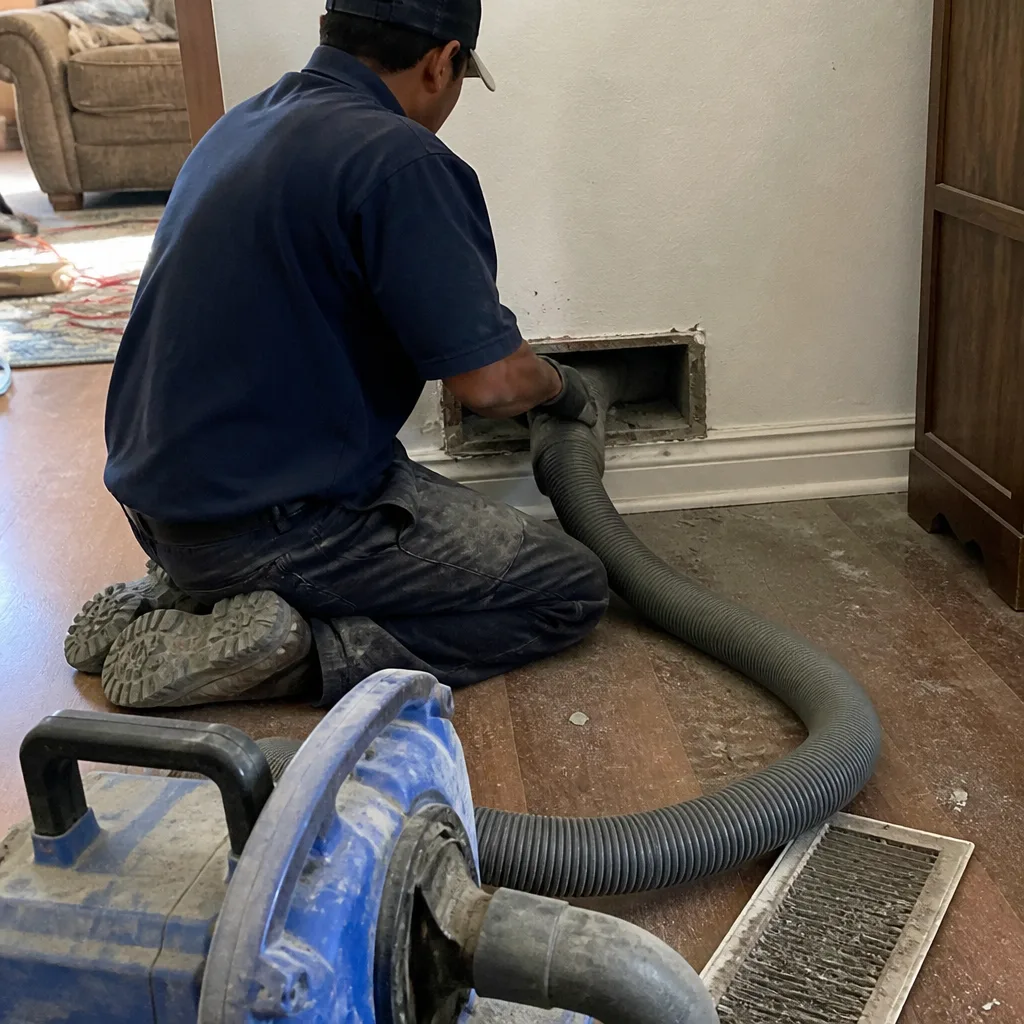 Before
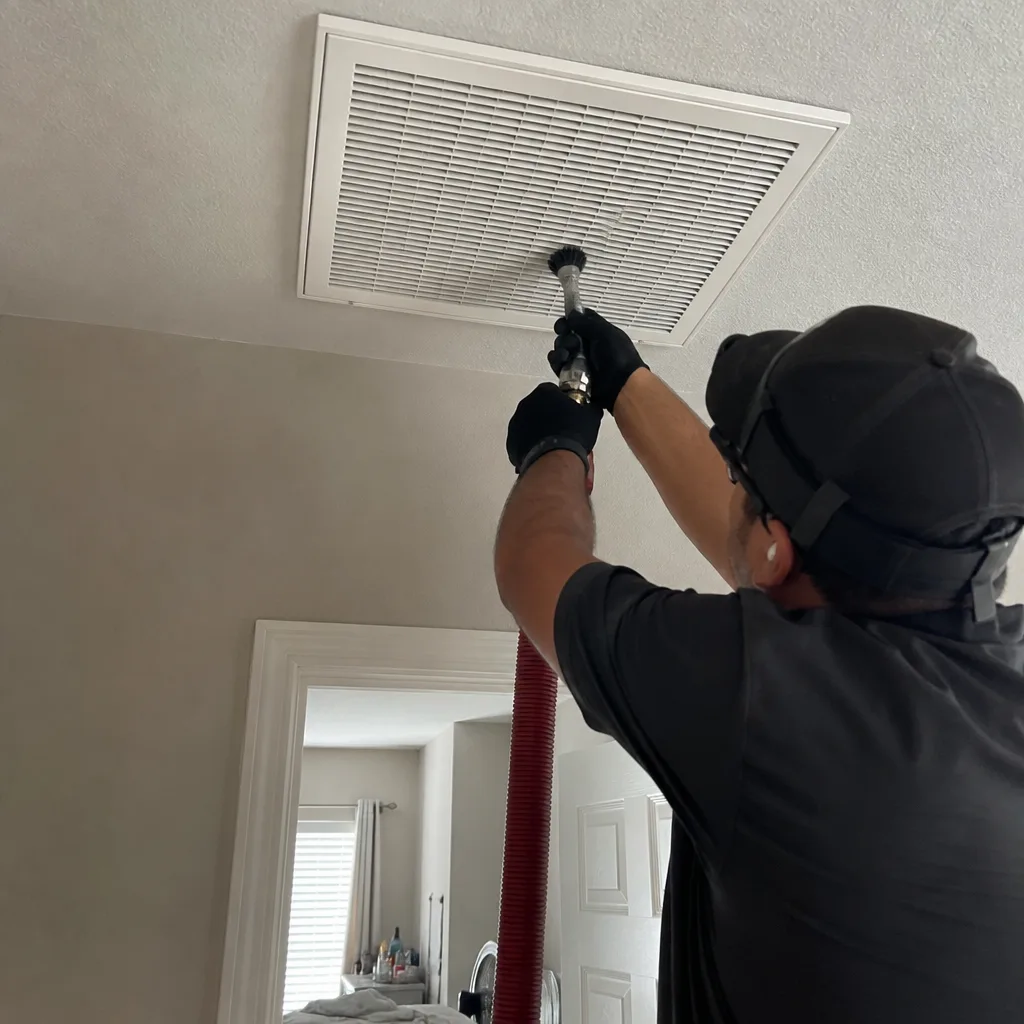 After
AfterWhat Honeywell Dryer Vent Cleaning Costs in Houston
Here’s what you’re looking at for Honeywell dryer vent work in Houston, based on the jobs we run every week.
- Standard vent cleaning, accessible roof or wall vent: $129 to $179. Most Houston single-family homes fall here. Includes full brush and negative-air cleaning, interior dryer duct clearing, airflow test, and the written one-year guarantee.
- Standard cleaning plus vent cap or bird guard replacement: $159 to $229 depending on the cap. We carry low-restriction vent caps and guards that handle Houston rain and resist lint caking.
- Crushed or failed transition hose replacement: $40 to $80 added to the cleaning, depending on the run. A rigid or semi-rigid metal connector, installed so it won’t kink when the dryer goes back against the wall.
- Second-story or steep-roof vent access: $30 to $70 added. Houston roofs get slick, and we charge for the ladder work and the safety setup, not for drama.
- Badly packed or neglected vents, typically 3+ years since last cleaning: $189 to $229. These jobs take longer because the brush works in stages and we clear the line more than once to verify it’s open end to end.
The price is written before work starts and it’s the price you pay. Call (713) 936-5800 for a free estimate, and we’ll give you a number you can hold us to.
Why Houston Homeowners Call Hollis Air Duct Houston for Honeywell Work
Most of our Honeywell jobs come from a referral or a second-opinion call, because the owner tried the cheap route and got a crew that showed up late, quoted one number on the phone and another at the door, or cleaned the exterior vent and never opened the dryer cabinet. We don’t play that game. The price is in writing before work starts, the tech is background-checked and uniformed, and every job is covered by the 365-Day Done Right Promise: if it fails within a year, we come back at no charge, including a free second visit.
Roy Castellanos started in this trade at Los Angeles Trade-Technical College and has been running air duct and dryer vent work in Houston for well over a decade, including older Energy Corridor homes where the ductwork hasn’t seen a brush since the Clinton administration. We also service Lennox, Trane, and Carrier dryer vent setups, so if you’ve got a mixed home with more than one brand, one call covers it. Phones are answered by a live person 24/7. No voicemail loops.
FAQs
No. Dryer vent cleaning is routine maintenance, not a repair or modification, and it does not void a Honeywell warranty. In fact, a restricted vent is one of the leading causes of premature heating element and moisture sensor failure on Honeywell dryers, so keeping the vent clear protects the unit and preserves warranty coverage. We use non-damaging rotary brush and negative-air tools, and we never alter the dryer’s internal components beyond clearing lint from serviceable areas.
Clothes take longer than one cycle to dry, the top of the dryer gets hotter than normal during a run, the exterior vent hood doesn’t open fully when the dryer is on, or you smell a musty, damp odor in the laundry room. On Honeywell SmartDry models, the “damp dry” or sensor-dry flag staying on is another early warning. In Houston, humidity makes lint stickier and clogs faster than in drier climates, so an annual cleaning is the baseline for most households.
Yes. Honeywell dryers have thermal cutoffs designed to prevent overheating, and when a vent is restricted enough, the internal temperature climbs until the dryer trips the safety and shuts down mid-cycle. We’ve seen Houston units that would run for twenty minutes and then die, over and over, because the vent was at 70% blockage. Cleaning the vent path end to end usually resolves it, but if a thermal fuse or cutoff has already failed, we’ll tell you exactly what the part is and what it costs before replacing anything.
Every 12 months for a Houston household running four or more dry cycles a week, and every 6 months if you have a Honeywell gas dryer, a vent run longer than 15 feet, or a roof vent that fights Houston rain and humidity. Homes with pets or heavy towel loads also lean toward the shorter interval. The interior lint screen should be cleared after every load, but that only catches about 40% of the lint the dryer produces; the rest goes into the vent and stays there until someone removes it.
Clean the vent first. A restricted vent makes even a brand-new Honeywell dryer run hot, cycle long, and fail early, so putting a new unit on a clogged vent just moves the problem to a more expensive machine. In most Houston homes we service, the dryer itself is mechanically fine and the vent is the whole story. Our job costs $129 to $229, not the $600 to $900 a replacement Honeywell unit runs, and if the vent was the culprit, you’ll know within the first dry cycle.
When you’re ready, call (713) 936-5800 and we’ll get you a written price for your Honeywell dryer vent cleaning in Houston. Live person, straight answer, no pressure.
Written by Roy Castellanos, Owner, Hollis Air Duct Houston at Hollis Air Duct Houston, serving Houston and nearby areas.